“I cannot remember the books I've read any more than the meals I have eaten; even so, they have made me.”— Ralph Waldo Emerson
“Think before you speak. Read before you think.” — Fran Lebowitz
If I had to point to one habit that's influenced my life more than almost anything else, it would be reading. I have had my nose stuck in a book since I learned to read at two years old and I’ve never really stopped. In fact, as a child, my mom would lament that unlike other children my age who wanted to run around outside playing, I could rarely be torn from my room where I was devouring page after page.
Fast forward to 2020 during the pandemic lockdown and I set a goal for myself to read at least four books a month in four categories: Fiction, Nonfiction, Self Improvement, and Business. Well, with an Audible subscription and too much time on my hands, I far surpassed that goal and then some. I have now modified that goal to at least one book per month, but the habit (addiction) remains firm.
Books have shaped the way I travel, photograph, write, report, and understand the world. They've challenged my assumptions, introduced me to unfamiliar histories and perspectives, and often sent me down research rabbit holes that lead to ever more intriguing self-discoveries.
This isn't meant to be a list of the "best books ever written." It's a collection of books that have genuinely influenced me, stayed with me long after I finished them, or that I find myself recommending again and again.
Some changed the way I think about climate change, politics, travel, creativity, psychology, or art. Others are simply beautiful stories that remind me why literature matters.
I'll continue updating this page as I discover new favorites, so consider it a living bookshelf rather than a finished list.
Likewise, you can always check what I am currently reading as well as a complete list of everything I have read and all the innumerable books that I still want to read on my Goodreads profile, here.
Table of Contents
Fiction
Travel & Place
History
Philosophy
Journalism & Storytelling
Climate & the Environment
Politics & Society
Psychology & Human Behavior
Memoir & Biography
Work, Business, & Intentional Living
Creativity & Artistic Practice
Poetry
Fiction
While I read a great deal of nonfiction, fiction remains one of the best ways to explore different perspectives and imagine entirely new possibilities.
Some novels stay with me because of their characters, others because of their writing, and some because they changed the way I think about the world.
These are the stories I find myself recommending most often.
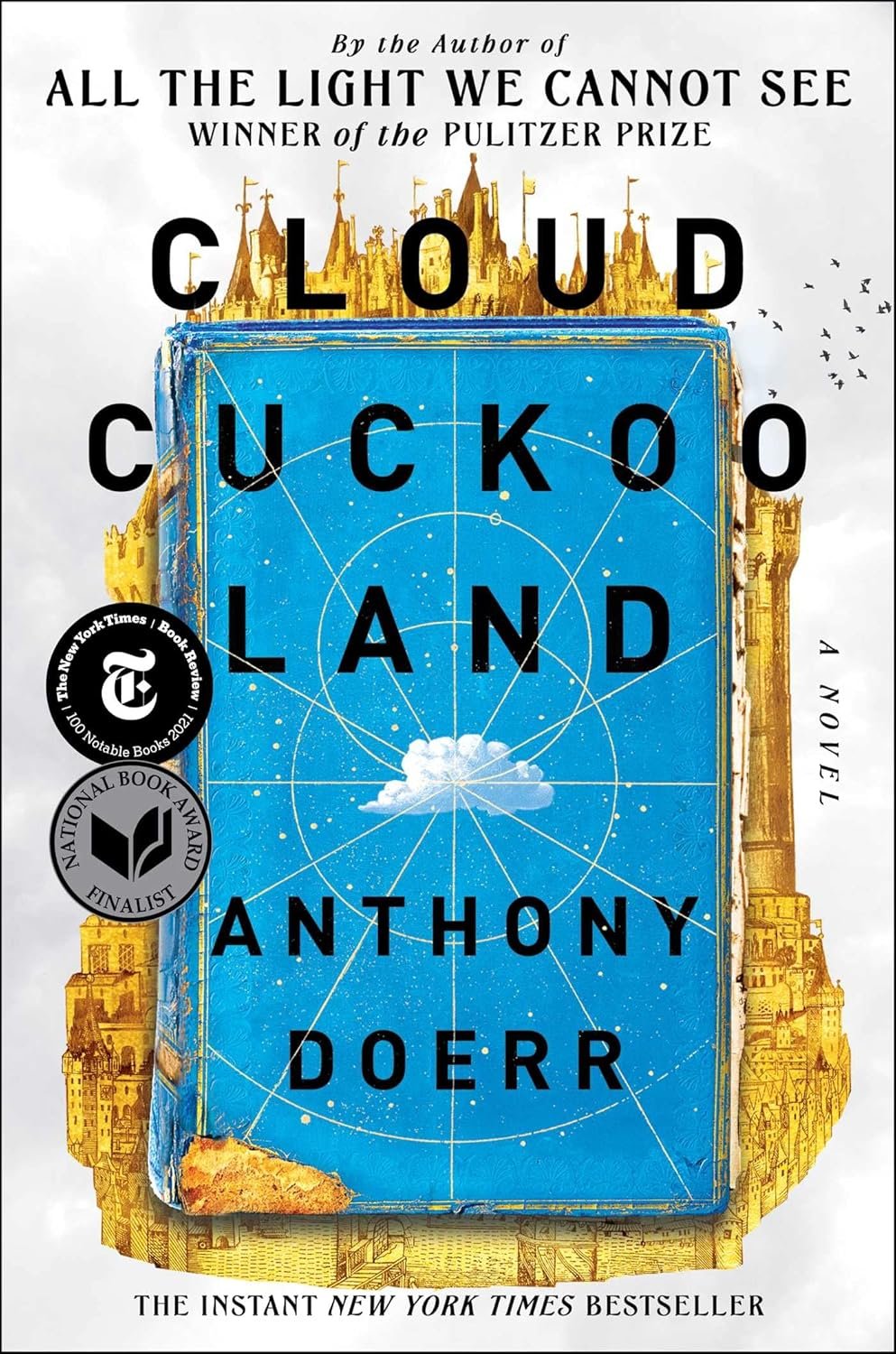
Cloud Cuckoo Land by Anthony Doerr
Anthony Doerr's Cloud Cuckoo Land is one of those rare novels that stays with you long after you've finished it. Spanning centuries and multiple continents, it's ultimately a meditation on how stories—and knowledge itself—survive across generations, often through an extraordinary combination of human determination and sheer luck. The novel quietly asks who gets to preserve history, whose voices endure, and how fragile our collective memory really is. Beautifully written and deeply ambitious, it's both an unforgettable story and a powerful reflection on why literature matters. I recommend it to almost everyone because it's one of those books that subtly changes the way you think about the world.
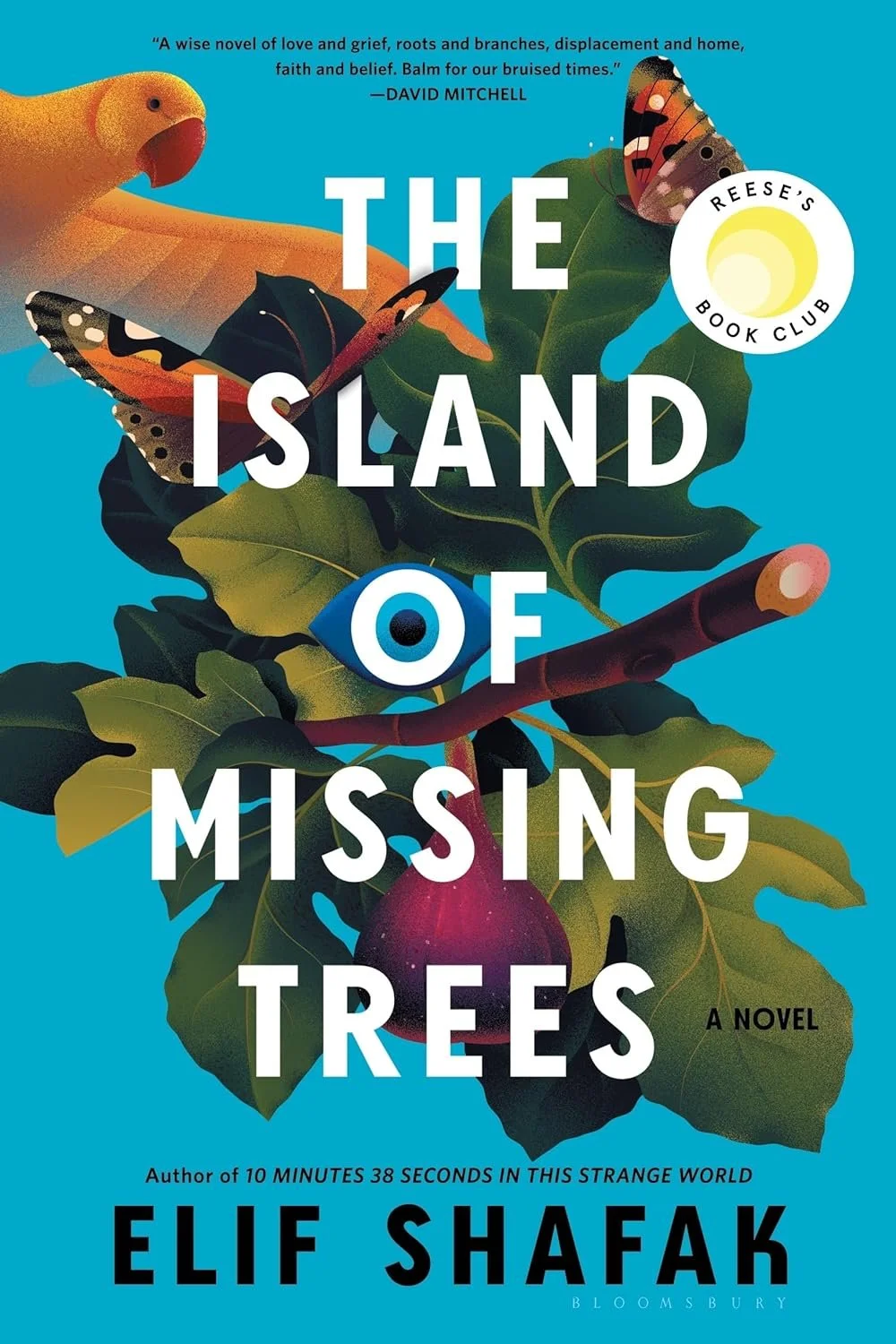
The Island of Missing Trees by Elif Shafak
Elif Shafak has become one of my favorite contemporary writers, and The Island of Missing Trees is the novel I recommend most often. Set against the backdrop of Cyprus's divided history, the story explores love, identity, displacement, and generational trauma through Shafak's unmistakably lyrical prose. One of the book's most memorable choices is its narrator: a fig tree that quietly observes decades of human joy, grief, violence, and resilience. Through this unusual perspective, Shafak transforms the natural world into both witness and storyteller while teaching readers about a history that remains unfamiliar to many. It's an exquisitely written novel that is as emotionally moving as it is intellectually enriching.
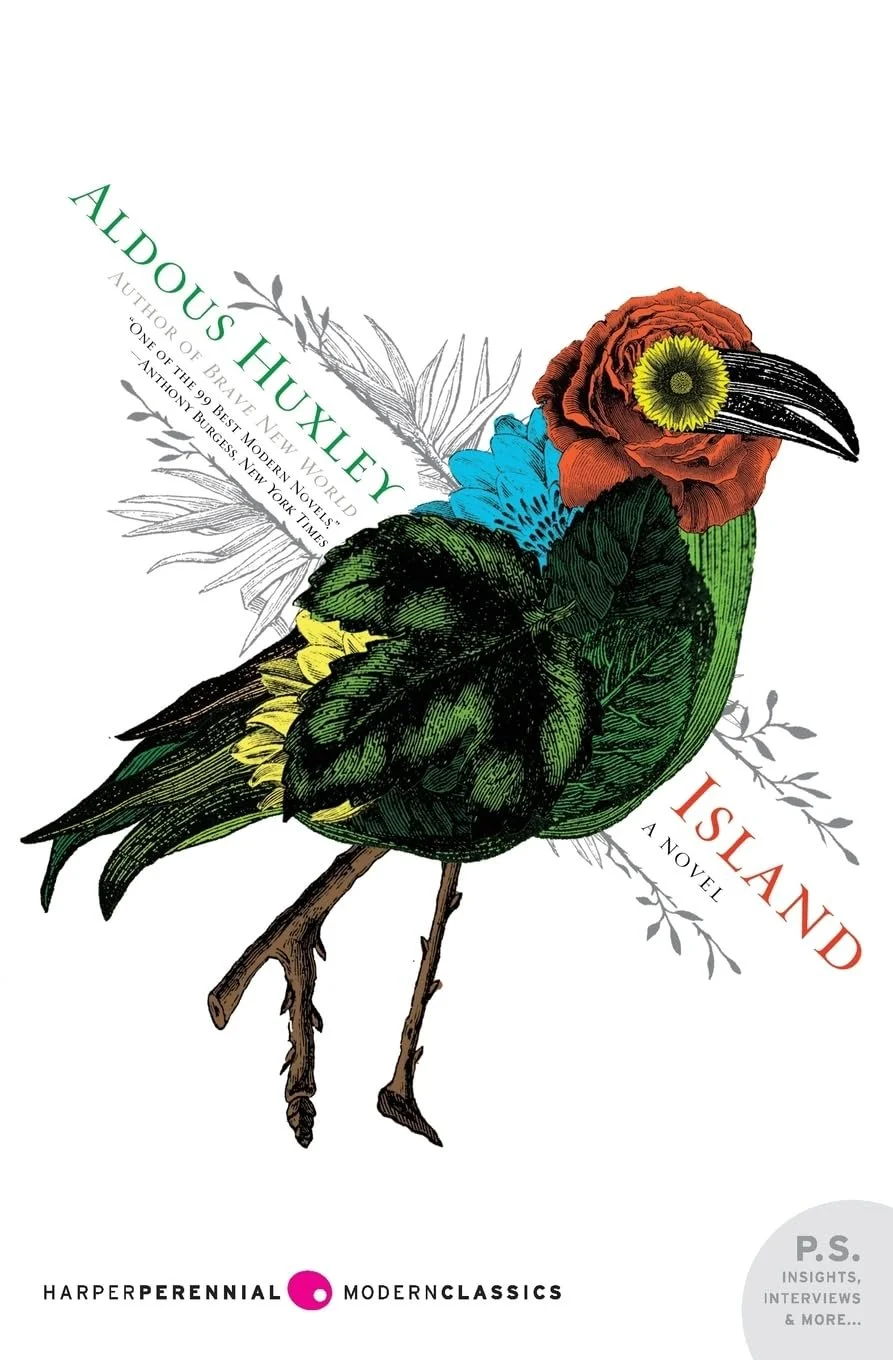
Island by Aldous Huxley
While Aldous Huxley is best known for Brave New World, I actually consider Island to be his greatest achievement. Written at the end of his life, it serves as a fascinating counterpart to his famous dystopian novel, imagining not society's collapse but its highest potential. As an outsider gradually discovers the island's way of life, Huxley explores everything from politics and education to spirituality, psychology, environmental stewardship, and what it truly means to live with intention. Beneath the story runs the constant threat of outside powers seeking to exploit the island's resources, a reminder that even the most thoughtful societies remain vulnerable to greed and violence. Equal parts philosophical novel, political commentary, and meditation on human flourishing, Island feels like the culmination of Huxley's lifelong search for a better way of living—and remains one of the most profound novels I've ever read.
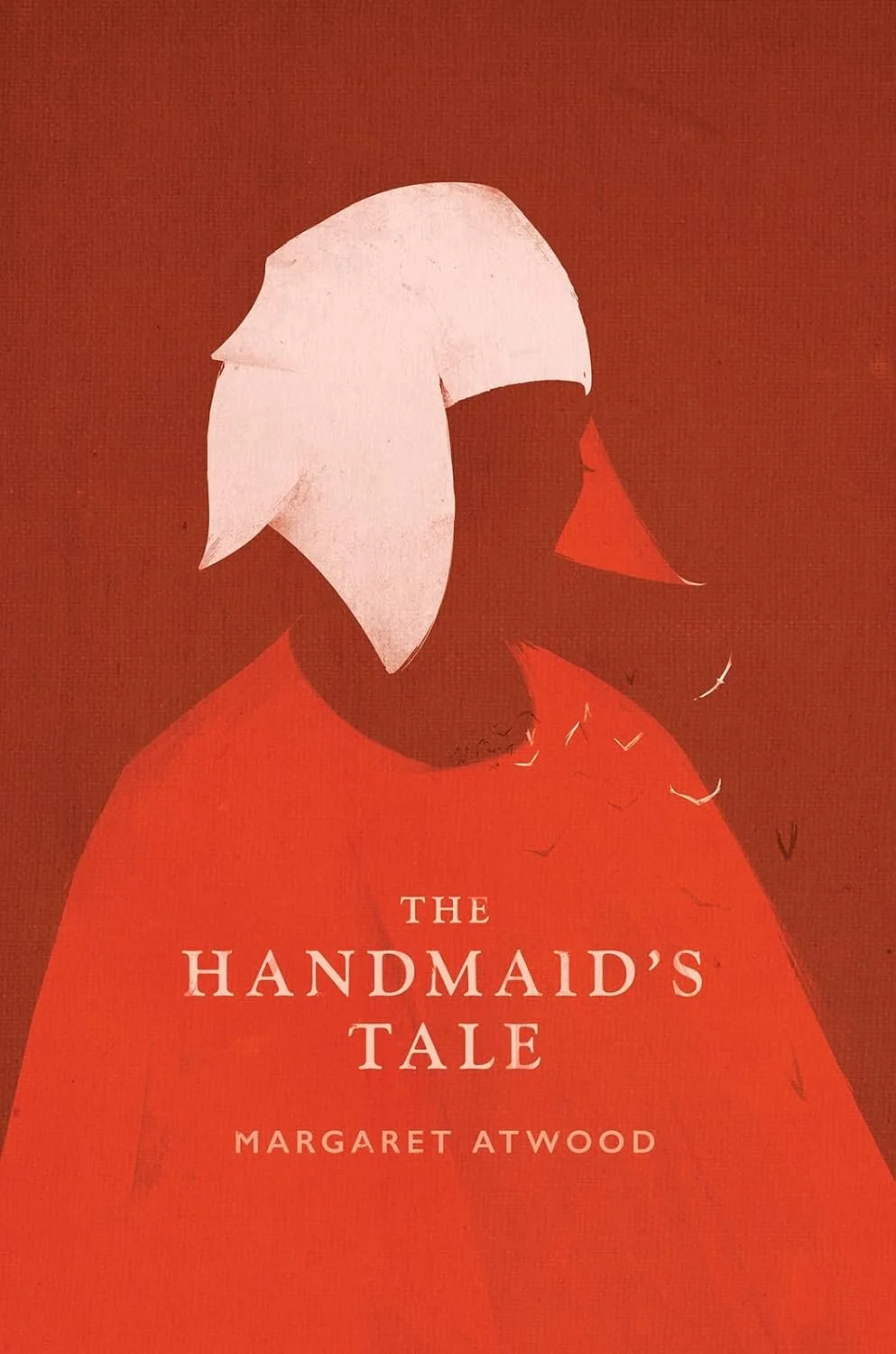
The Handmaid's Tale by Margaret Atwood
Even if you've watched the television adaptation, I cannot recommend reading The Handmaid's Tale enough. What makes the novel so unsettling is not simply its premise, but the restraint with which Margaret Atwood tells the story. Much is left unsaid, forcing readers to imagine the horrors that exist just beyond the page—a choice that makes the book even more psychologically powerful than its screen adaptation. Atwood famously built Gilead using only forms of oppression that have already been inflicted on women somewhere in the world, making the novel feel less like speculative fiction and more like a warning. By relocating these realities to a Western democracy, she asks readers to confront how fragile rights can be and how easily complacency allows authoritarianism to take root. It's a chilling, brilliantly crafted novel that feels just as urgent today as when it was first published.
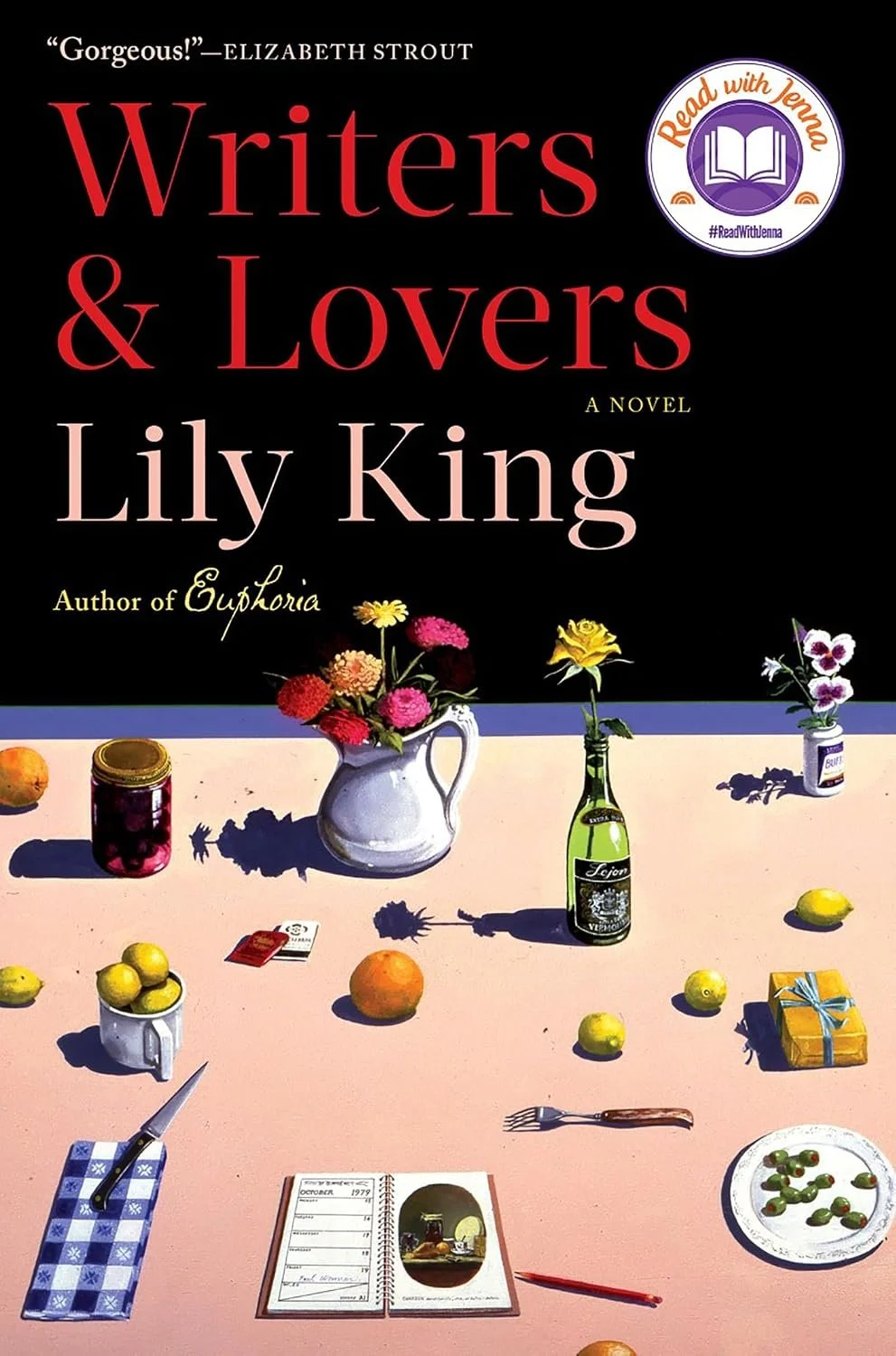
Writers & Lovers by Lily King
Writers & Lovers is one of the most honest novels I’ve read about what it actually feels like to try to build a creative life. Lily King captures the strange combination of ambition, financial instability, grief, self-doubt, and stubborn perseverance that comes with continuing to make art when there is absolutely no guarantee it will ever lead anywhere. The book never romanticizes the struggle of becoming a writer, but it also doesn’t treat creativity as frivolous or self-indulgent; instead, it shows how essential the work can become to a person’s sense of self. I found its portrayal of the long, uncertain period before anything “works out” especially moving and painfully relatable. It is ultimately a hopeful book about continuing to choose the life that feels meaningful, even when it would be much easier to give up and choose something safer.
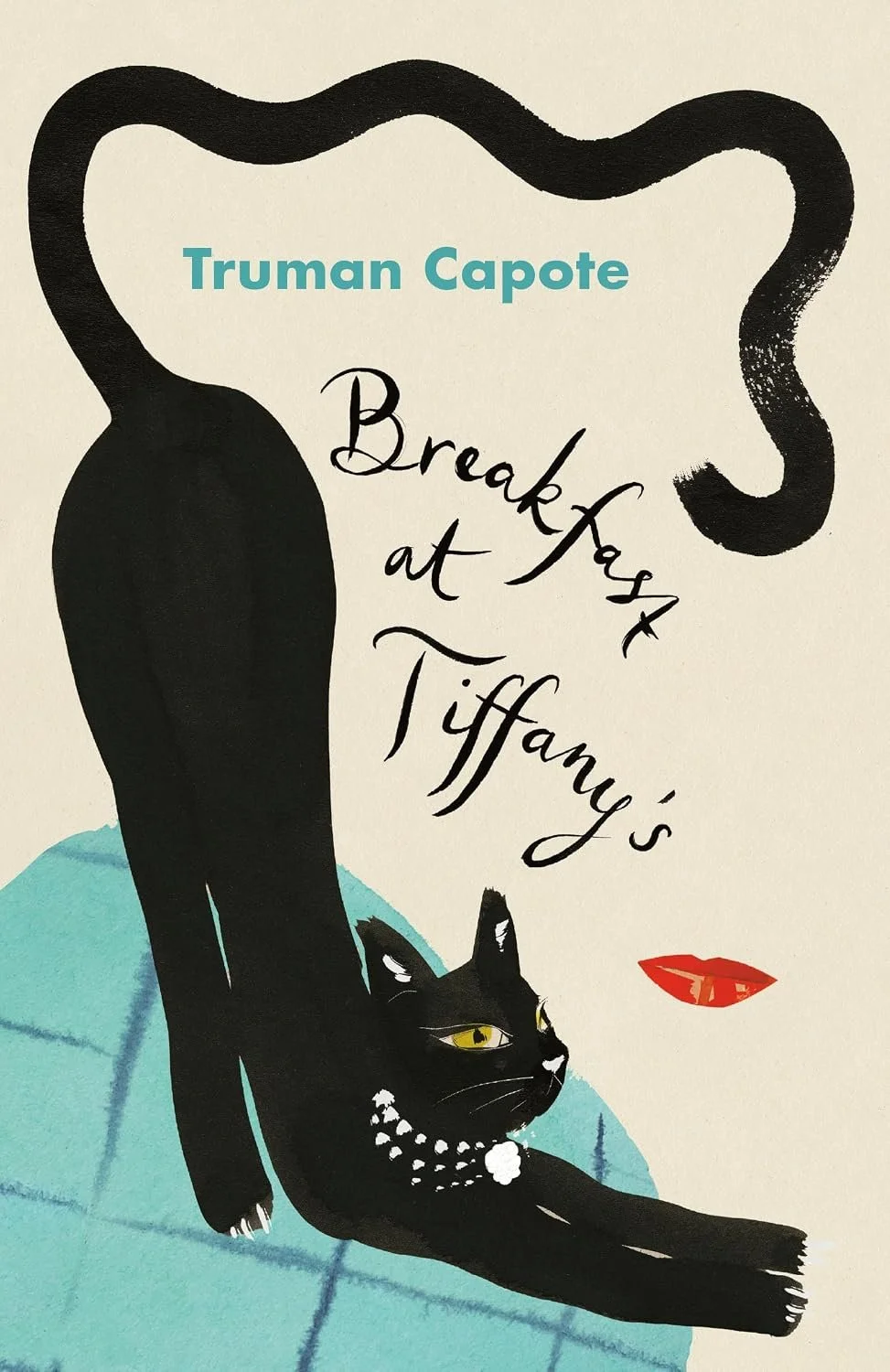
Breakfast at Tiffany's by Truman Capote
I find it genuinely surprising that, for as iconic and beloved as the film adaptation has become, I rarely hear people talk about Truman Capote’s original novella. The book is incredibly well written; it’s witty, elegant, fun to read, and much more emotionally layered than its glamorous reputation might suggest. Holly Golightly remains deliberately elusive, constantly reinventing herself while trying to preserve both her freedom and the possibility that she might eventually find somewhere she truly belongs. I found the book every bit as enjoyable as the movie, although it feels sharper, stranger, and more melancholic in ways the film sometimes softens. It is short enough to read in an afternoon, but Capote manages to say an enormous amount about loneliness, identity, performance, and the lives we construct in order to survive.
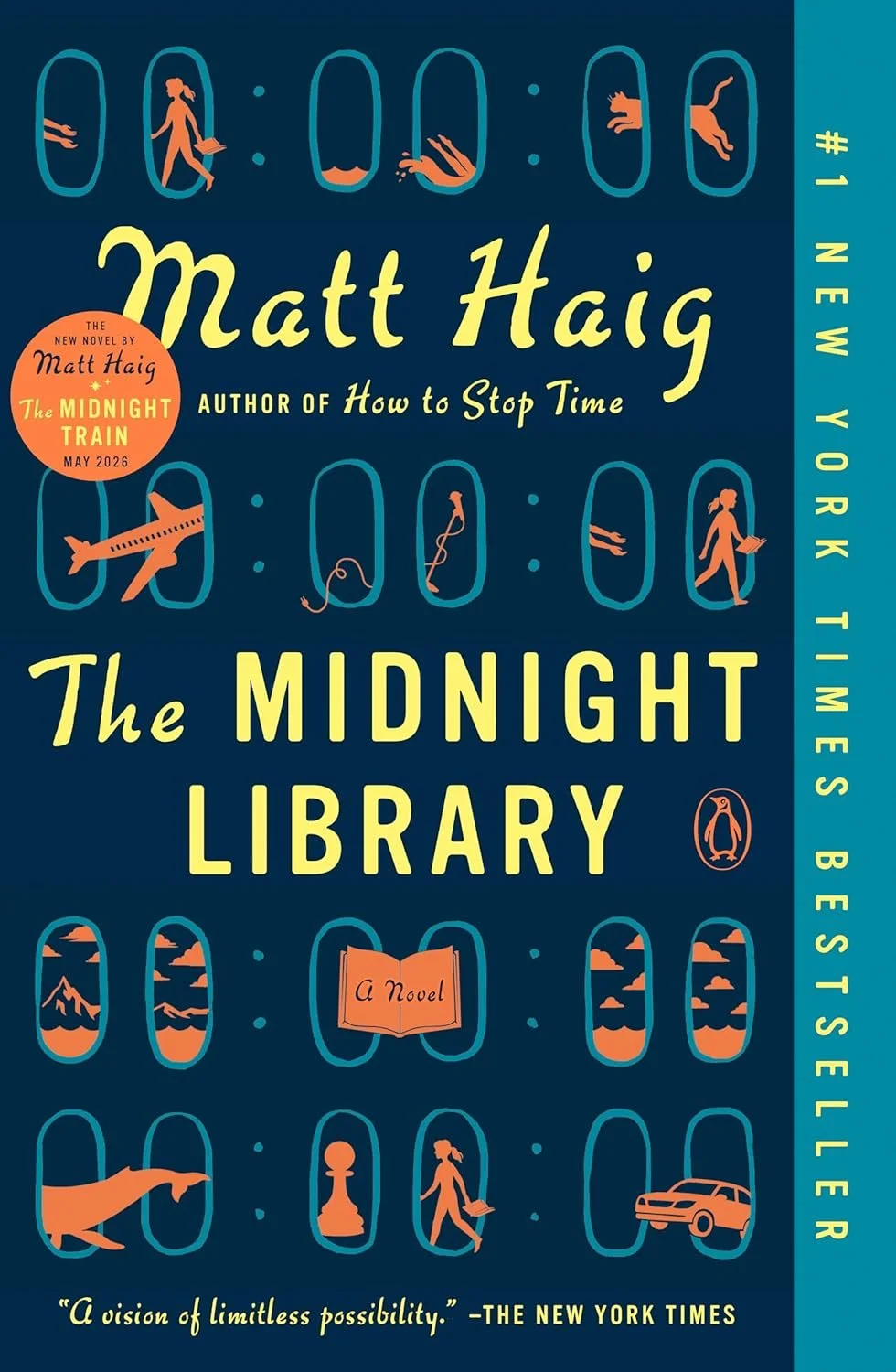
The Midnight Library by Matt Haig
The Midnight Library is one of those books that came to me at exactly the right moment in my life. It explores the endless versions of ourselves who might have existed had we made different choices… the careers we could have pursued, the people we might have loved, and the lives that seem, from a distance, as though they might have been better than the one we actually chose. But the book also reveals the trap within that kind of thinking: when we become too preoccupied with every life we might have lived, we stop inhabiting the one that is still unfolding in front of us. Its use of multiple realities gives shape to a form of regret that I think many people carry, especially those of us who have reinvented ourselves repeatedly or struggled to feel certain about the direction of our lives. By the end, it becomes a profoundly hopeful reminder that no imagined existence is free from difficulty—and that the life we have is still capable of becoming something we want to remain inside.
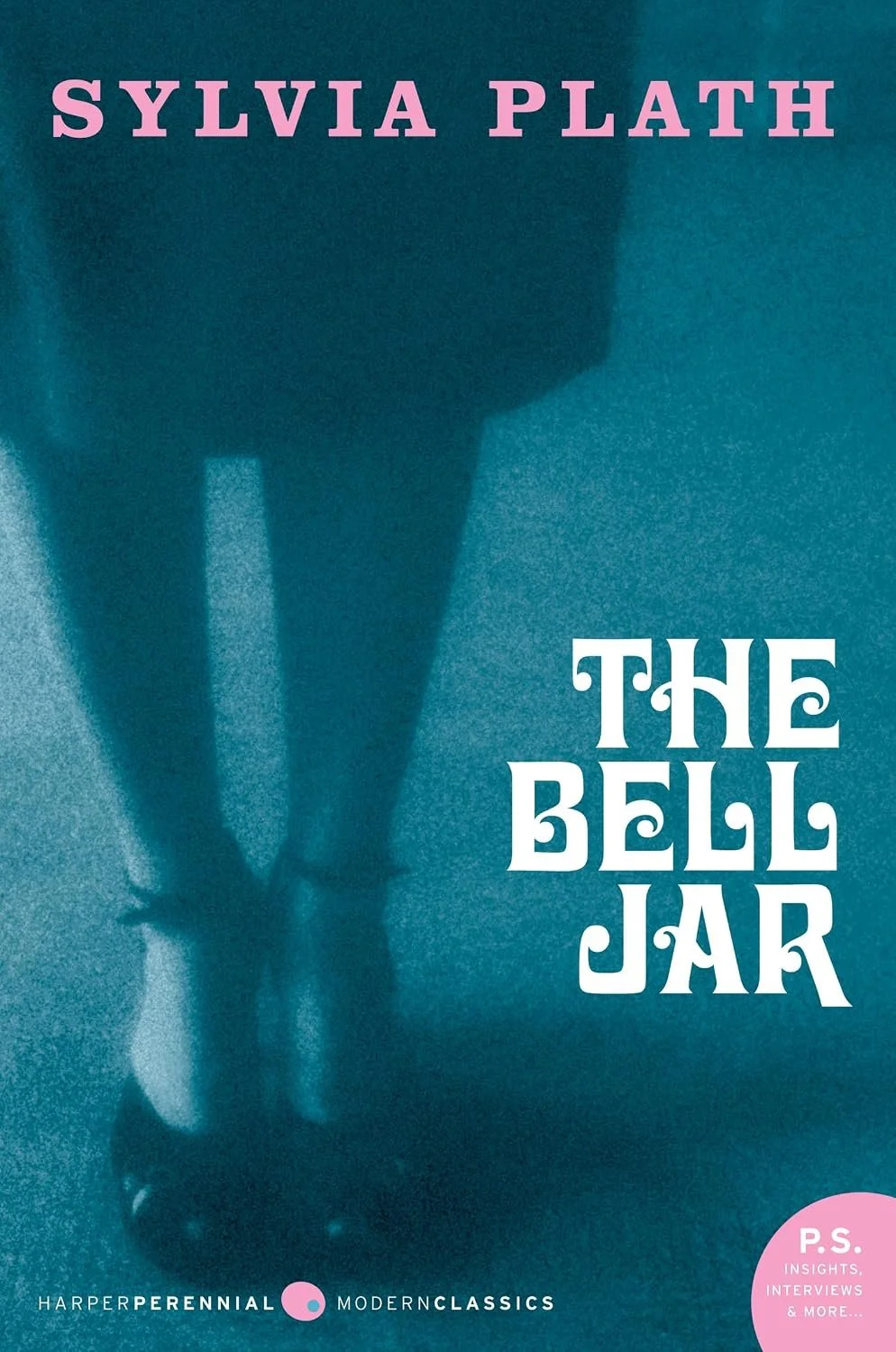
The Bell Jar by Sylvia Plath
It is impossible for me to think about The Bell Jar without immediately returning to Sylvia Plath’s infamous fig-tree passage, which haunted me long before I ever read the book itself. The image of sitting beneath a tree while every possible future ripens and then falls away captures, with almost unbearable precision, the paralysis that can come from wanting too many lives at once and fearing that choosing one means killing all the others. I think about those figs far more often than I would like, and I suspect many young women do, particularly those trying to reconcile ambition, creativity, relationships, social expectations, and a coherent sense of identity. Plath has rightly been critiqued through contemporary lenses, but the novel remains popular because its portrayal of mental illness, alienation, and the suffocating demands placed on young women continues to resonate so powerfully. Having experienced my own struggles with mental health and identity, I found the book both deeply unsettling and deeply recognizable: an articulation of feelings that can seem impossible to explain until someone else puts them into words.
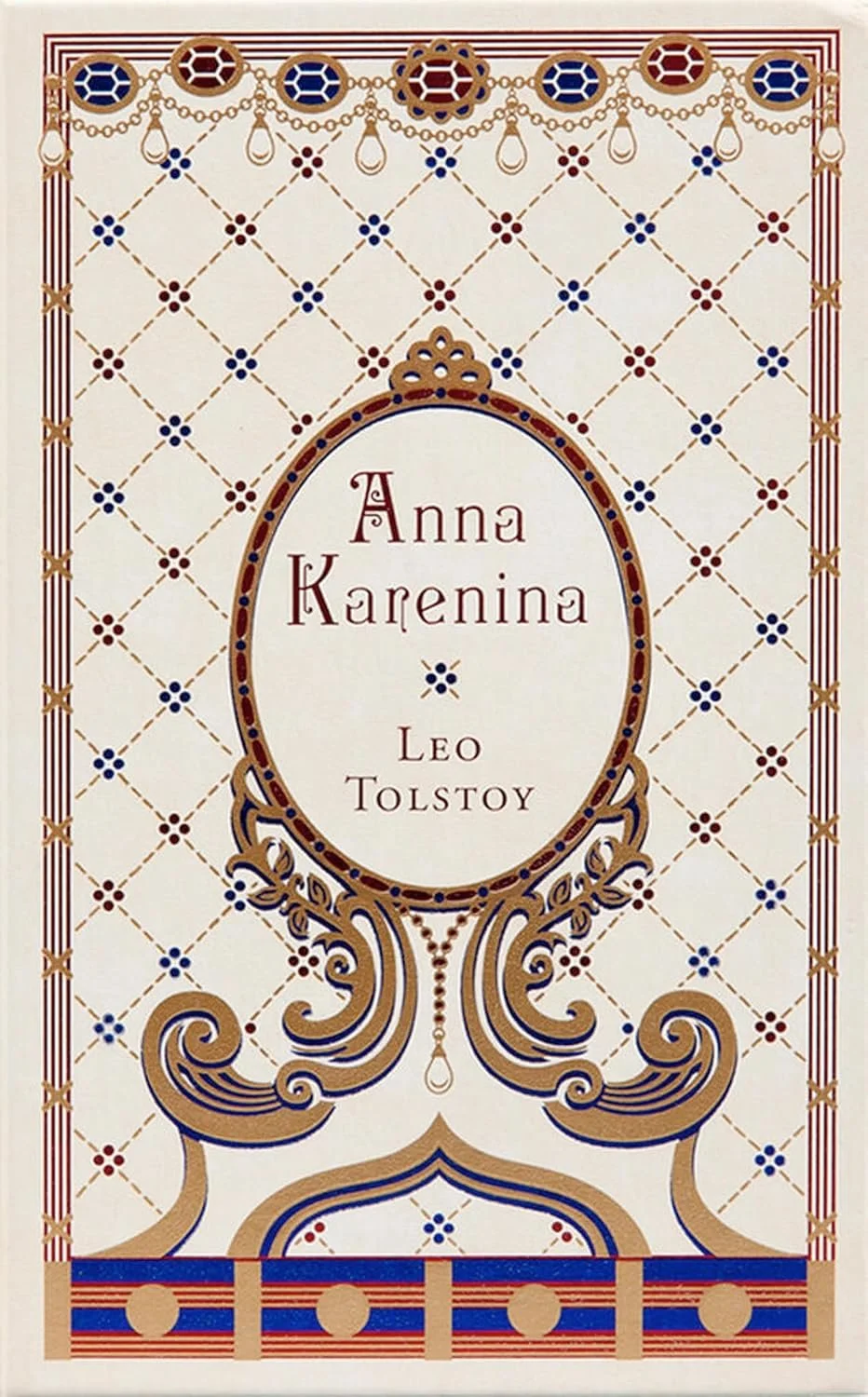
Anna Karenina by Leo Tolstoy
I first picked up Anna Karenina because I wanted to begin making genuine progress through the classics, and I expected the experience to feel more dutiful than enjoyable. It is undeniably a long, demanding book filled with social conventions, philosophical discussions, agricultural debates, and an enormous cast of characters, but I was surprised by how absorbing and psychologically perceptive it became. Tolstoy illuminates an extraordinary range of questions about happiness, morality, marriage, desire, faith, contentment, and the ways people attempt to escape the roles society has constructed for them. I would not call it a conventional love story; in many ways, it is an anti-love story about what happens when romantic longing collides with social judgment, personal contradiction, and the realities of living among other people. Anna’s tragedy is the most famous, but nearly every character is struggling against some boundary of class, gender, duty, belief, or self-knowledge, and the novel shows how rarely escape is clean or without consequence. It is a classic for a reason, and while it demands time and patience, it rewards that effort with one of the richest examinations of human nature I have ever read.
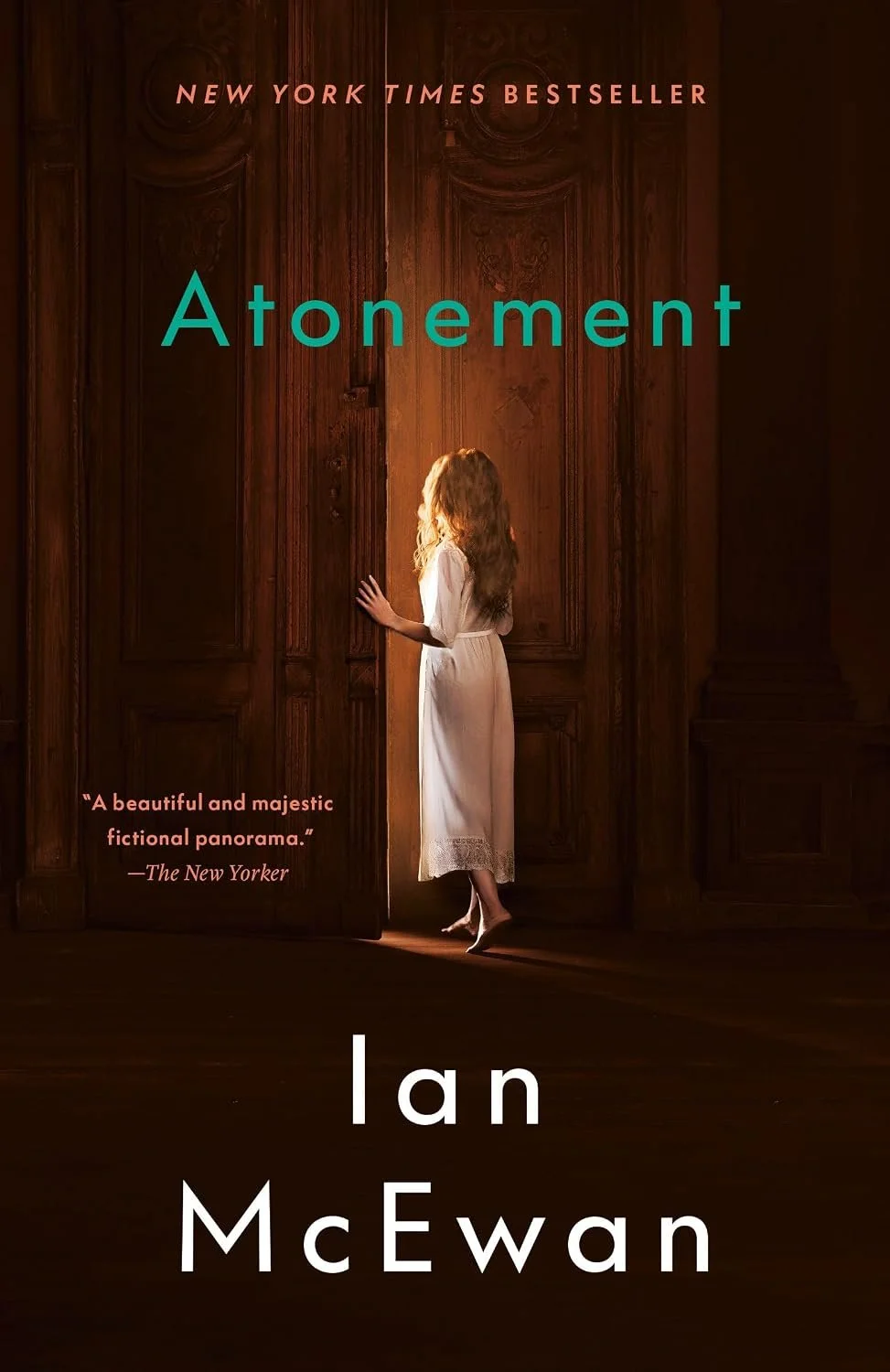
Atonement by Ian McEwan
Atonement is one of my favorite novels, just as its adaptation remains one of my favorite films. I have always been drawn to stories that acknowledge how often life refuses to resolve itself into happy endings, because that sadness frequently feels closer to the way the real world actually works than the tidy conclusions we are usually offered. The entire novel hinges on one misunderstanding, one act of certainty by someone who does not yet understand the consequences of what she believes she has seen, and that mistake reverberates through decades, irrevocably altering several lives. McEwan explores guilt, memory, imagination, class, and the dangerous power of storytelling itself, particularly the question of whether art can ever repair harm that cannot be undone in reality. It is devastating precisely because the tragedy feels both enormous and preventable, and because the novel refuses to give the reader the consolation we desperately want from it. Few books have shown so powerfully how a single moment can become the axis around which entire lives turn.
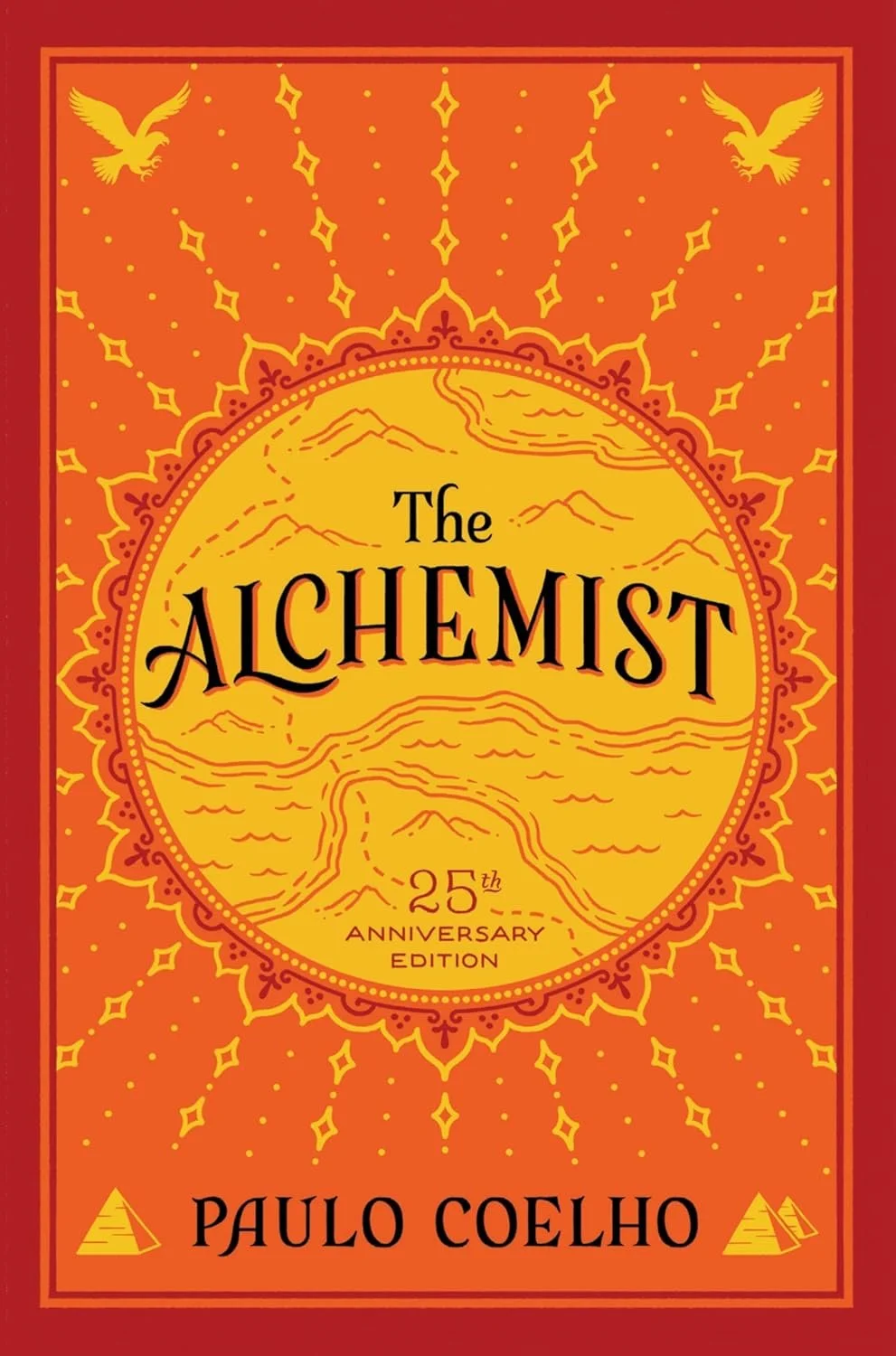
The Alchemist by Paulo Coelho
The Alchemist has been translated, republished, and read throughout the world because its deceptively simple story touches something enormously universal. On the surface, it is an accessible fable about a young man following a dream, but beneath that simplicity it explores purpose, fear, intuition, sacrifice, and the ways we talk ourselves out of pursuing the lives we actually desire. It is the kind of book that can feel entirely different depending on when you encounter it; what seems obvious at one stage of life can become newly meaningful at another. Some readers dismiss its lessons as overly simple, but I think that directness is part of what allows the story to endure across cultures and generations. It is a book worth returning to whenever you find yourself questioning whether you are moving toward your own life or merely accepting the one that feels most immediately available.
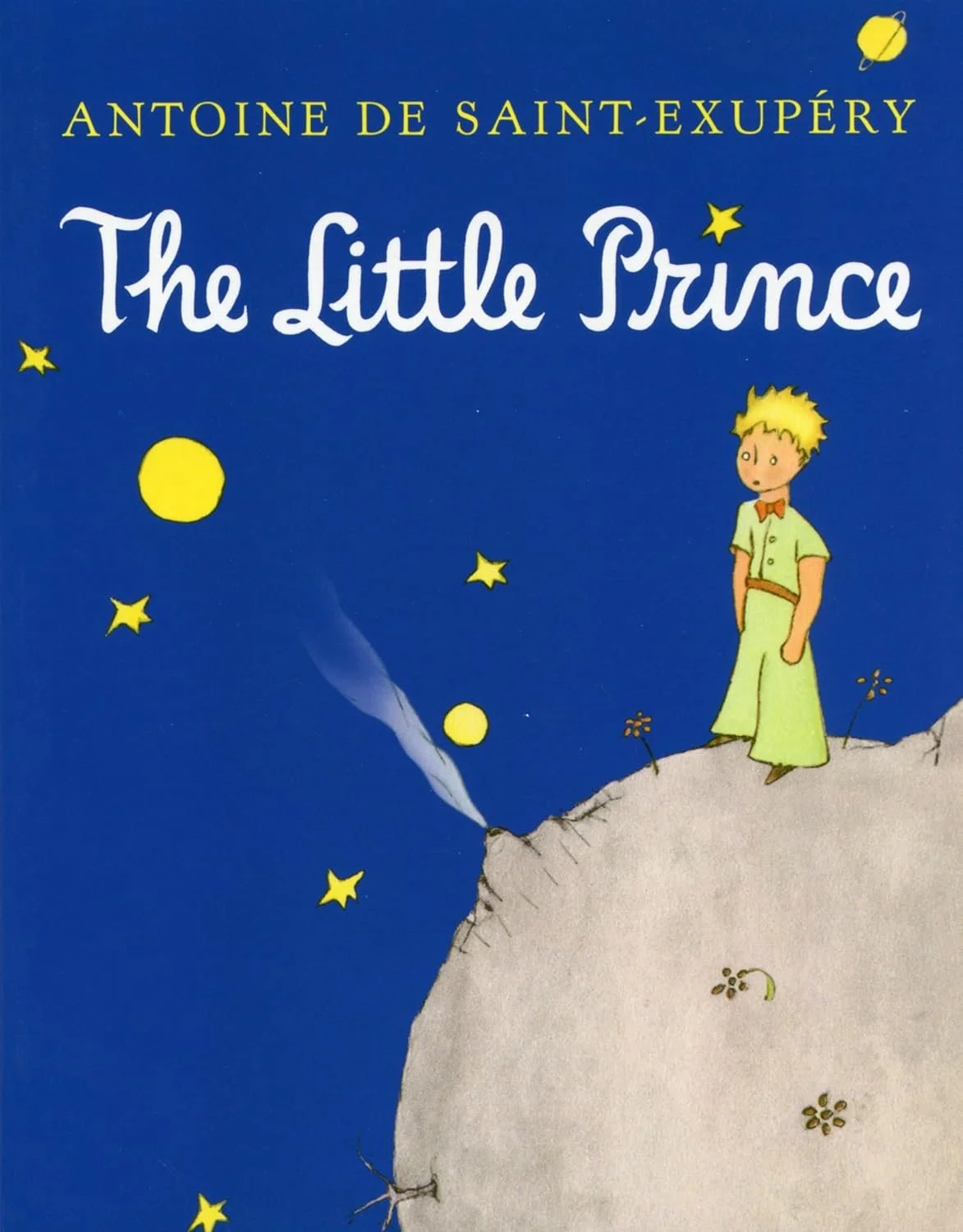
The Little Prince by Antoine de Saint-Exupéry
Like The Alchemist, The Little Prince is a simple story whose meaning continually changes as the reader changes. It can be read as a children’s book, a philosophical fable, a meditation on love, or a quiet indictment of the absurd priorities adults begin to accept as normal. Its observations about loneliness, responsibility, imagination, loss, and what it means to truly know another person are expressed with such clarity that they can seem almost obvious until one of them catches you at precisely the right moment. I think that is why the book remains so beloved: it reminds us of truths we somehow understood as children and then gradually learned to ignore. It is short, gentle, and easy to read, but its emotional and philosophical insights are far more profound than the simplicity of its form initially suggests.
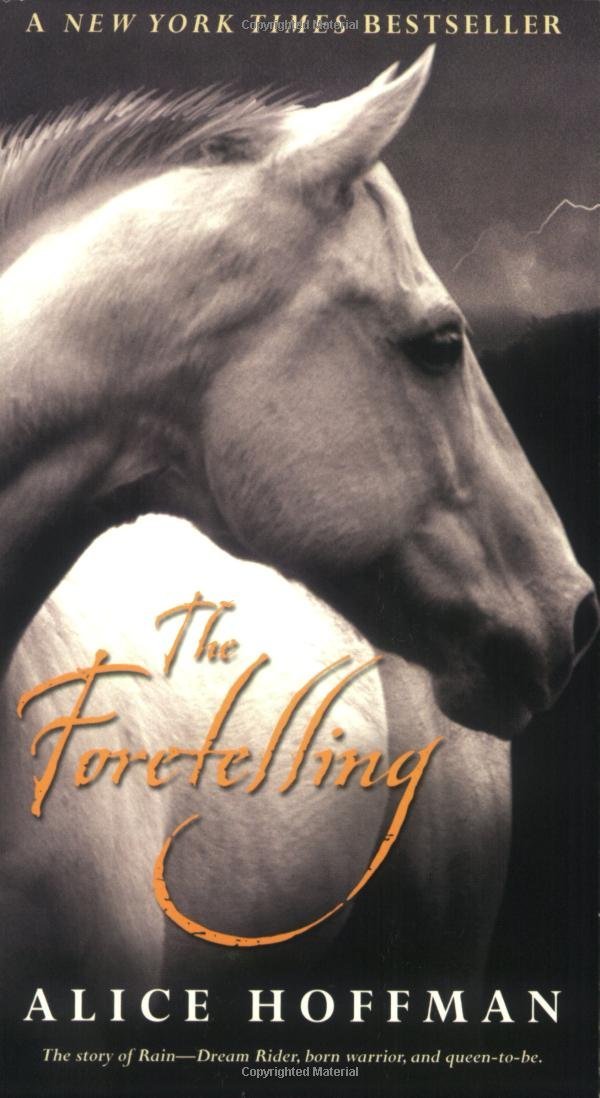
The Foretelling by Alice Hoffman
I first read The Foretelling when I was around thirteen or fourteen, at an age when I was already completely consumed by horses and immediately drawn to the book’s cover and premise. What kept me inside the story, however, was Alice Hoffman’s vivid portrayal of a young woman coming of age within a beautiful but unforgiving society. The novel is filled with horses, mythology, violence, female power, and the rugged physical reality of survival, all rendered through the lyrical and atmospheric writing Hoffman does so well. Because I was close to the narrator’s age when I encountered it, her struggle to understand who she was allowed to become felt particularly immediate to me. I have reread the novel as an adult and still found it moving, but it will always remain inseparable from the experience of discovering it when I was young enough for its world to feel almost real. It is one of those formative books that stays with you not only because of the story itself, but because of who you were when you first entered it.
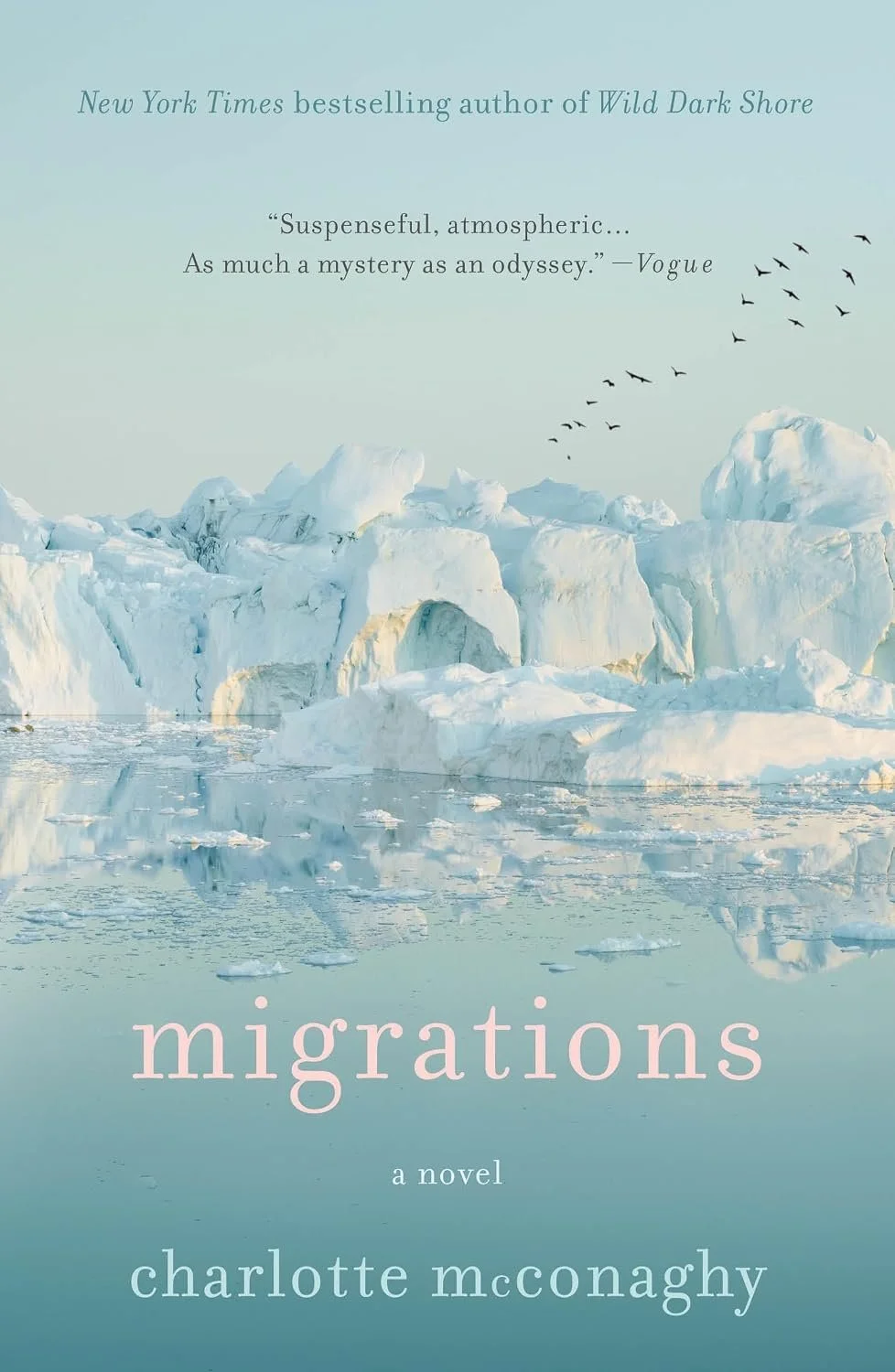
Migrations by Charlotte McConaghy
Migrations is a haunting novel set in a world where wildlife is disappearing and a woman sets out to follow what may be the final migration of the Arctic tern. What begins as an environmental journey gradually unfolds into something much more personal: a story about grief, guilt, obsession, restlessness, and the human impulse to keep moving when remaining still might force us to confront ourselves. Charlotte McConaghy writes the natural world with an almost painful beauty, making the loss of species feel intimate rather than abstract. The book is suspenseful, but its deepest power comes from the way the unraveling of the planet mirrors the unraveling of its protagonist. It is a deeply sorrowful novel, yet it also captures the fierce determination to continue loving a world even as that world is disappearing.
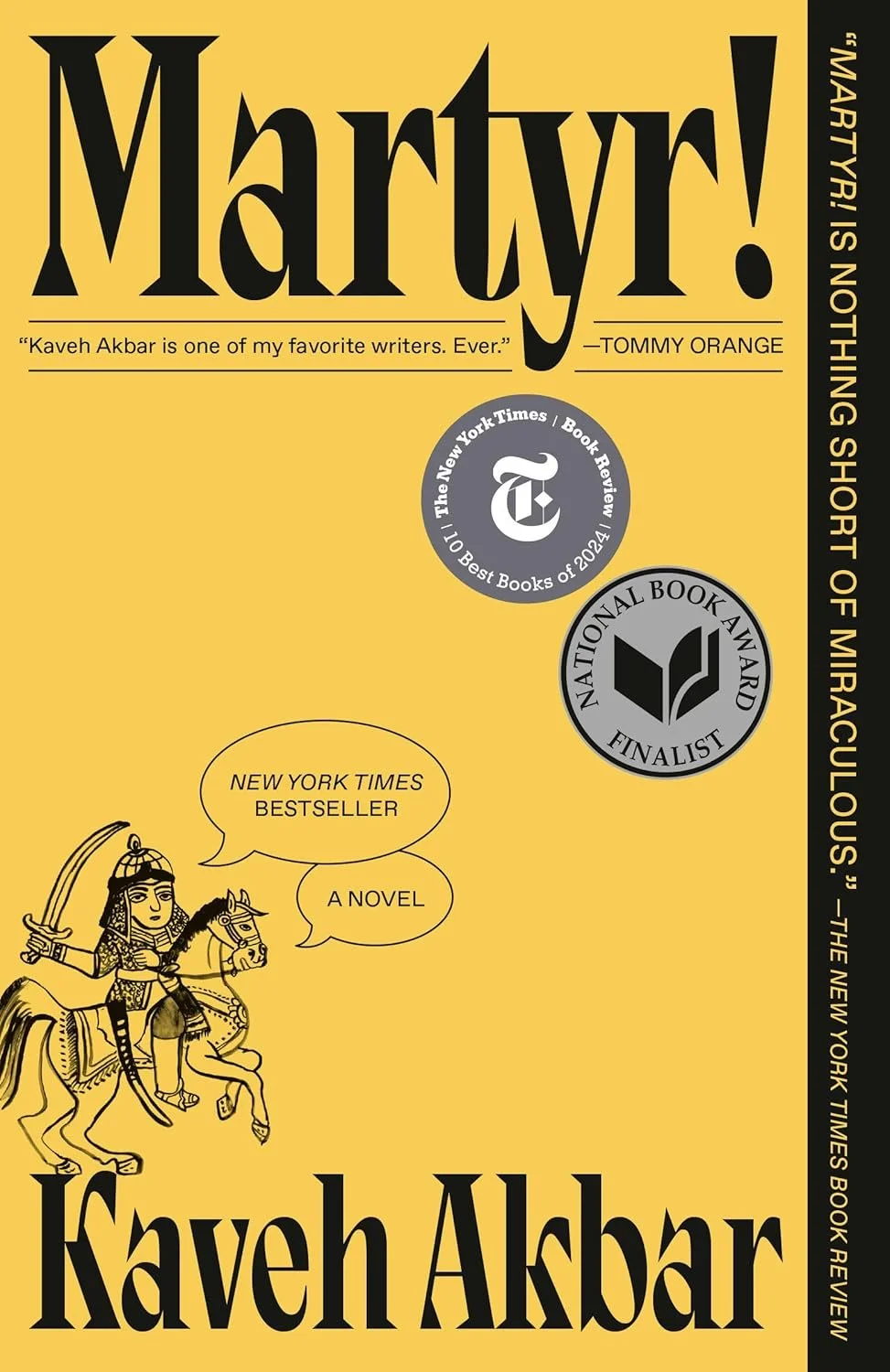
Martyr! by Kaveh Akbar
Martyr! is one of the most original novels I have read in years, but what stayed with me most was Kaveh Akbar’s writing itself. His prose often feels like poetry without ever losing the momentum of a novel; the story may not be structurally complicated, but the depth and beauty with which he describes grief, addiction, identity, faith, art, and the search for meaning make every page feel layered. The book can be philosophical and devastating in one moment, then unexpectedly funny, dry, or absurd in the next, which keeps it from ever collapsing under the weight of its own sorrow. It is not necessarily a book I would recommend to every reader, particularly those who prefer straightforward storytelling, but anyone drawn to language and emotionally complex interior worlds will find an enormous amount here. Akbar manages to make the search for a meaningful death inseparable from the much more difficult question of how to construct a meaningful life.
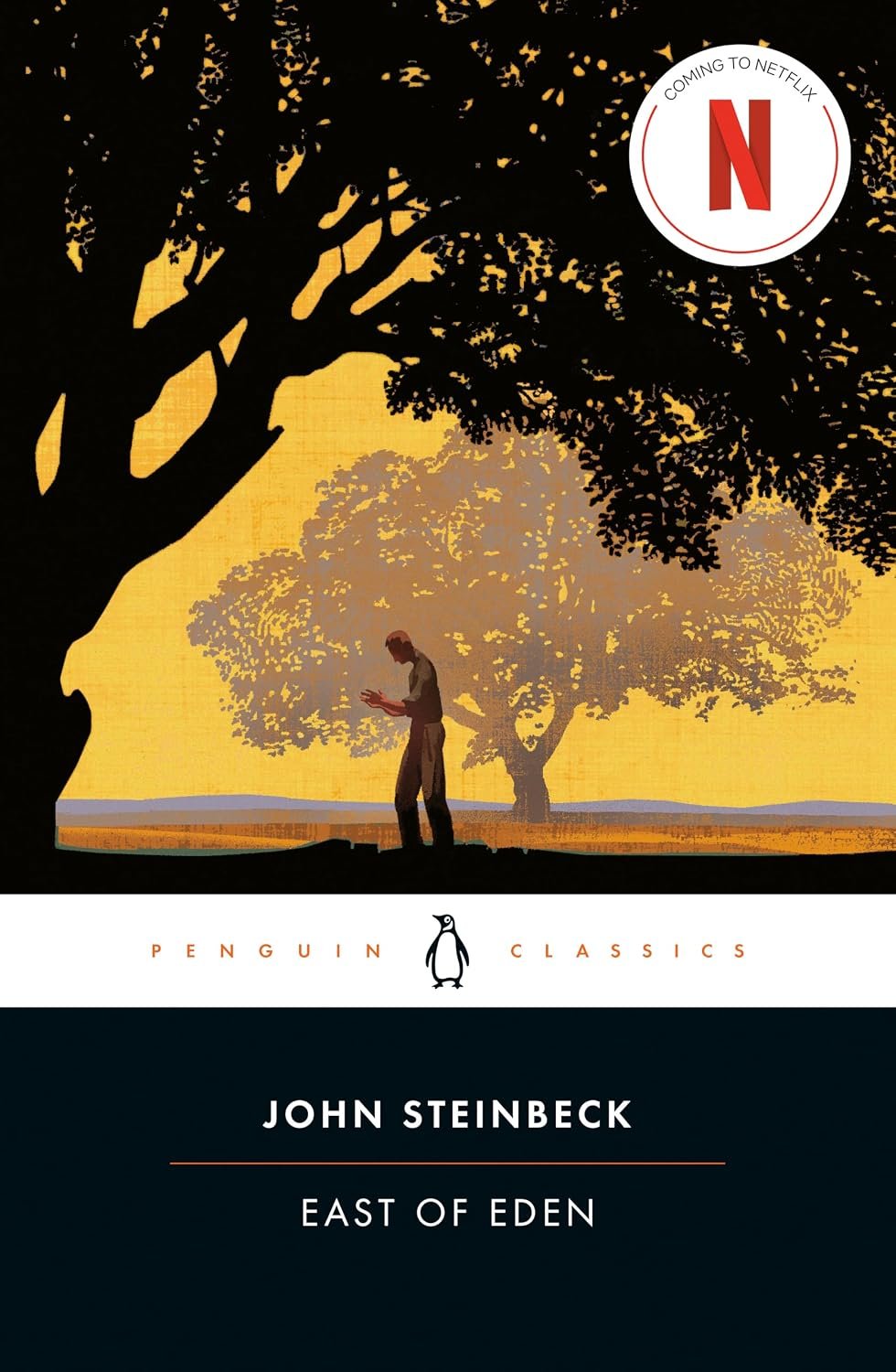
East of Eden by John Steinbeck
East of Eden is an enormous, multigenerational novel, but at its heart it returns again and again to one deceptively simple question: are we destined to repeat the failures we inherit, or are we capable of choosing differently? Through two families in California’s Salinas Valley, Steinbeck reworks the biblical story of Cain and Abel into an exploration of jealousy, cruelty, love, rejection, family, and the deep human desire to be considered good. The characters are often flawed in extreme and sometimes frustrating ways, but Steinbeck grants even the darkest among them a psychological depth that makes the novel feel less like a moral lesson than an investigation into where morality comes from. Its famous idea of timshel “thou mayest” offers the possibility that inheritance is powerful but not absolute, and that choice remains available even when history seems determined to repeat itself. It is sweeping, philosophical, occasionally melodramatic, and profoundly humane: the kind of novel that feels as though it contains an entire theory of human nature within it.
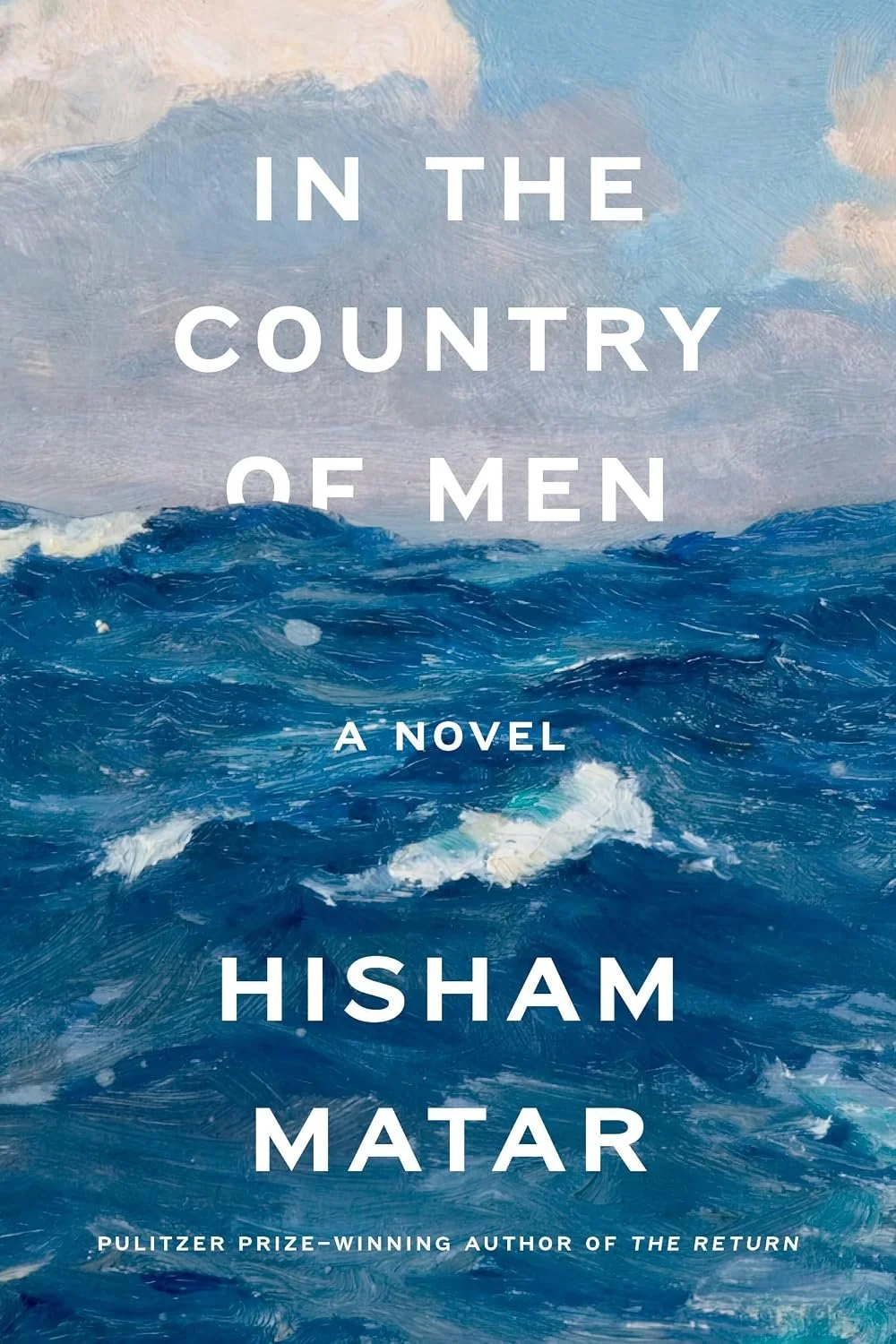
In the Country of Men by Hisham Matar
One of the most affecting elements of In the Country of Men is its decision to reveal the fear and repression of Gaddafi’s Libya through the eyes of a child. Reading violence, betrayal, and political terror through a child’s limited understanding is deeply unsettling because children can absorb the abnormal as ordinary while simultaneously resisting it with a ferocity adults may have learned to suppress. The narrator witnesses coded conversations, disappearances, secrecy, and fear without always understanding the larger forces producing them, leaving the reader to perceive the danger that he cannot yet fully name. That gap between what the child sees and what the adult reader understands gives the novel much of its emotional power. Hisham Matar shows how authoritarianism enters the home and alters the most intimate relationships, not only through overt violence but through silence, suspicion, and all the things people become afraid to say aloud.
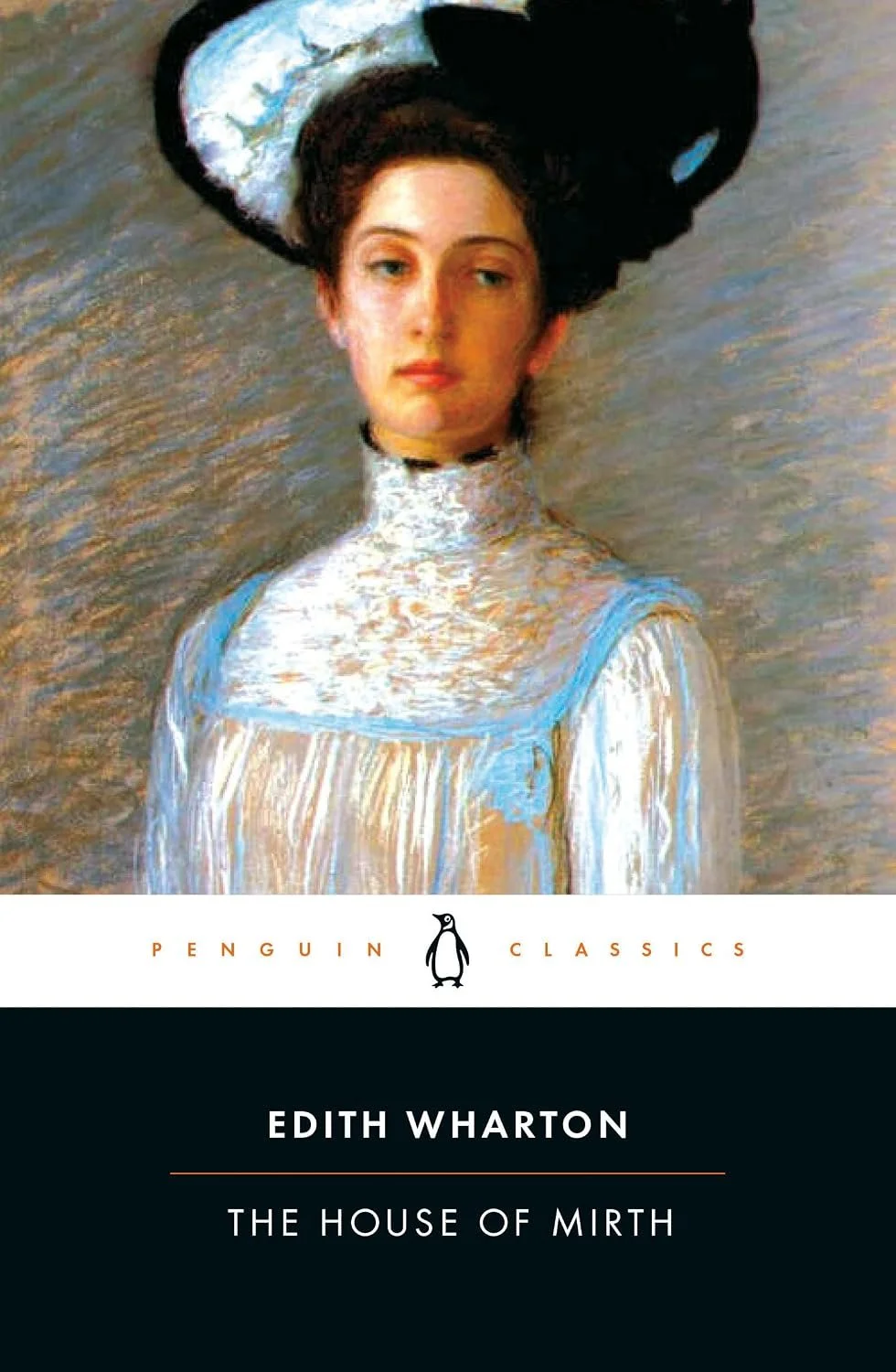
The House of Mirth by Edith Wharton
The House of Mirth is a devastating portrait of a woman attempting to find freedom inside a society designed to deny her any meaningful form of independence. Lily Bart possesses beauty, intelligence, and social fluency, but those qualities have value only as long as she uses them to secure the kind of marriage her world expects of her. Every effort she makes to escape that system leaves her more vulnerable to its cruelty, judgment, and hypocrisy, while the men around her retain freedoms that are never extended to her. What makes the novel so tragic is that Lily can see the limitations of her society clearly, yet she cannot imagine a viable life entirely beyond them. Although Wharton wrote about a very particular social class and period, the pressures Lily faces, like the demand to be desirable but not autonomous, ambitious but not threatening, exceptional but still obedient, remain painfully recognizable to women today. It is an elegant and unsparing novel about how a society can admire a woman while simultaneously ensuring she has no safe place within it.
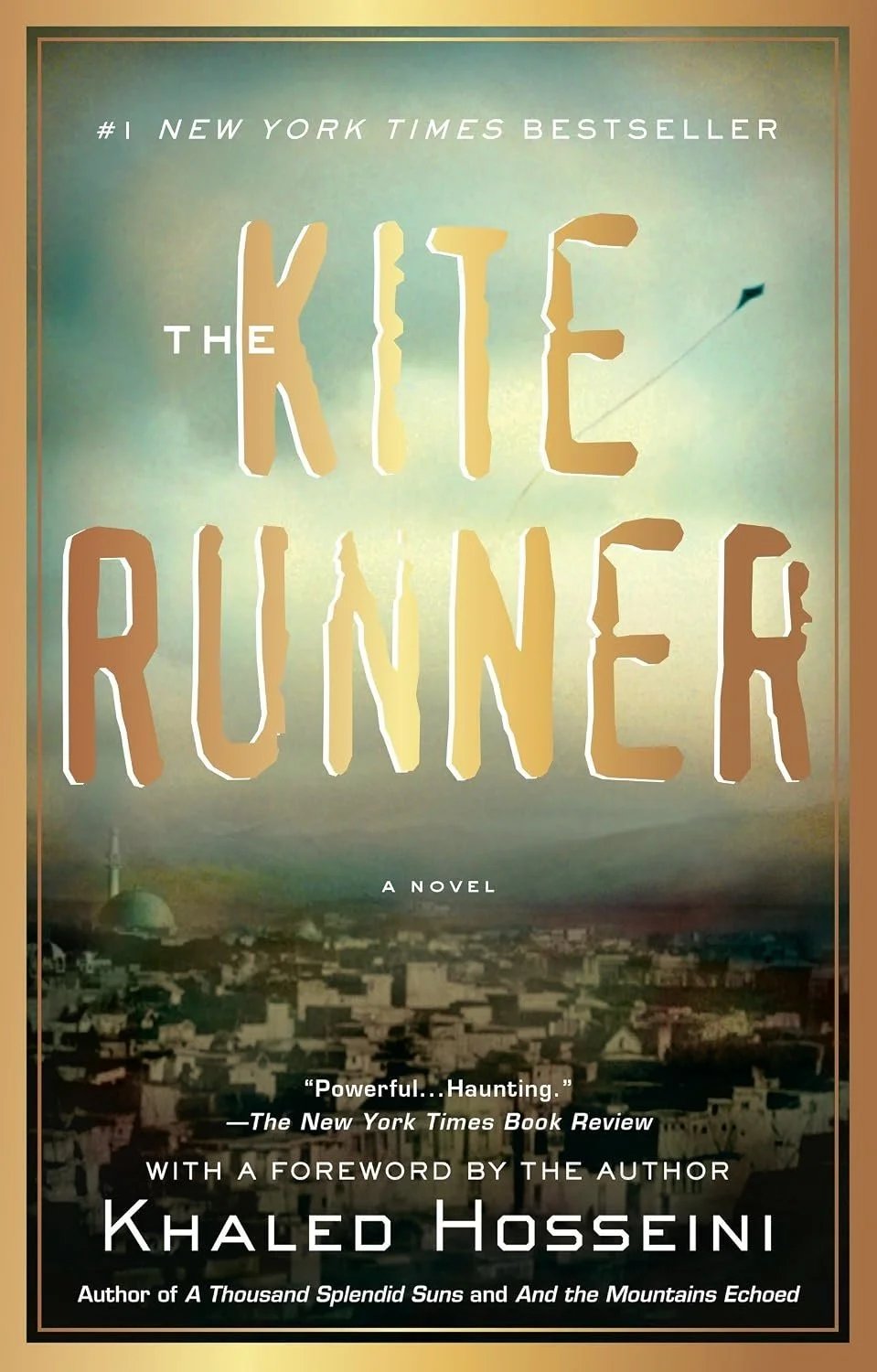
The Kite Runner by Khaled Hosseini
The Kite Runner is a deeply affecting novel about friendship, betrayal, guilt, and the painful possibility of redemption. What makes the story so powerful is that redemption does not arrive through forgetting or simply deciding to become a better person; it requires returning to the past, retelling what happened honestly, and accepting that some consequences can never be completely undone. Hosseini also shows how personal choices become inseparable from the political upheaval surrounding them, as Afghanistan itself is transformed by violence, displacement, and war. The novel asks whether telling a story can become a form of atonement—even when it cannot restore everything that was lost. It is devastating, emotionally direct, and ultimately a testament to the difficult work of trying to become worthy of forgiveness.
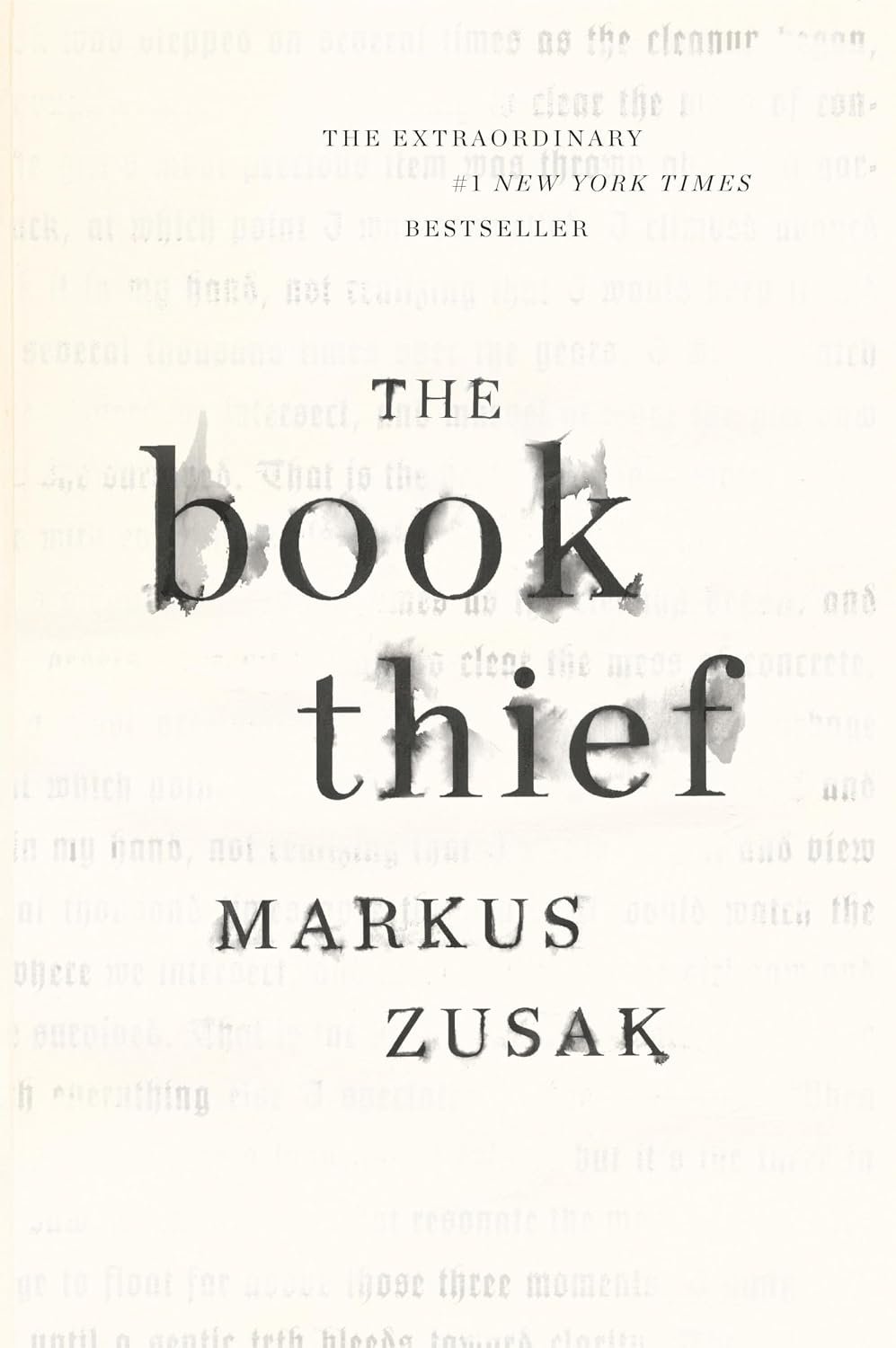
The Book Thief by Markus Zusak
The Book Thief is genuinely one of my favorite books of all time, in large part because Markus Zusak’s writing is so extraordinarily well executed. He finds language for emotions, people, and seemingly insignificant details that makes even the smallest moment feel newly visible, often describing something familiar in a way I would never have imagined myself. The decision to narrate the novel through Death gives the story its remarkable movement: we are continually pulled outward into an almost godlike view of history and then returned to the intimate lives unfolding inside it. Because the story takes place in Nazi Germany, the reader already knows that catastrophe is coming, creating an unbearable sense of foreboding even during moments of tenderness or ordinary life. We can see the larger machinery of history and understand where it is leading, yet remain entirely powerless to intervene. It is a masterpiece about words, friendship, cruelty, resistance, and the strange persistence of beauty in a world organized around destruction.
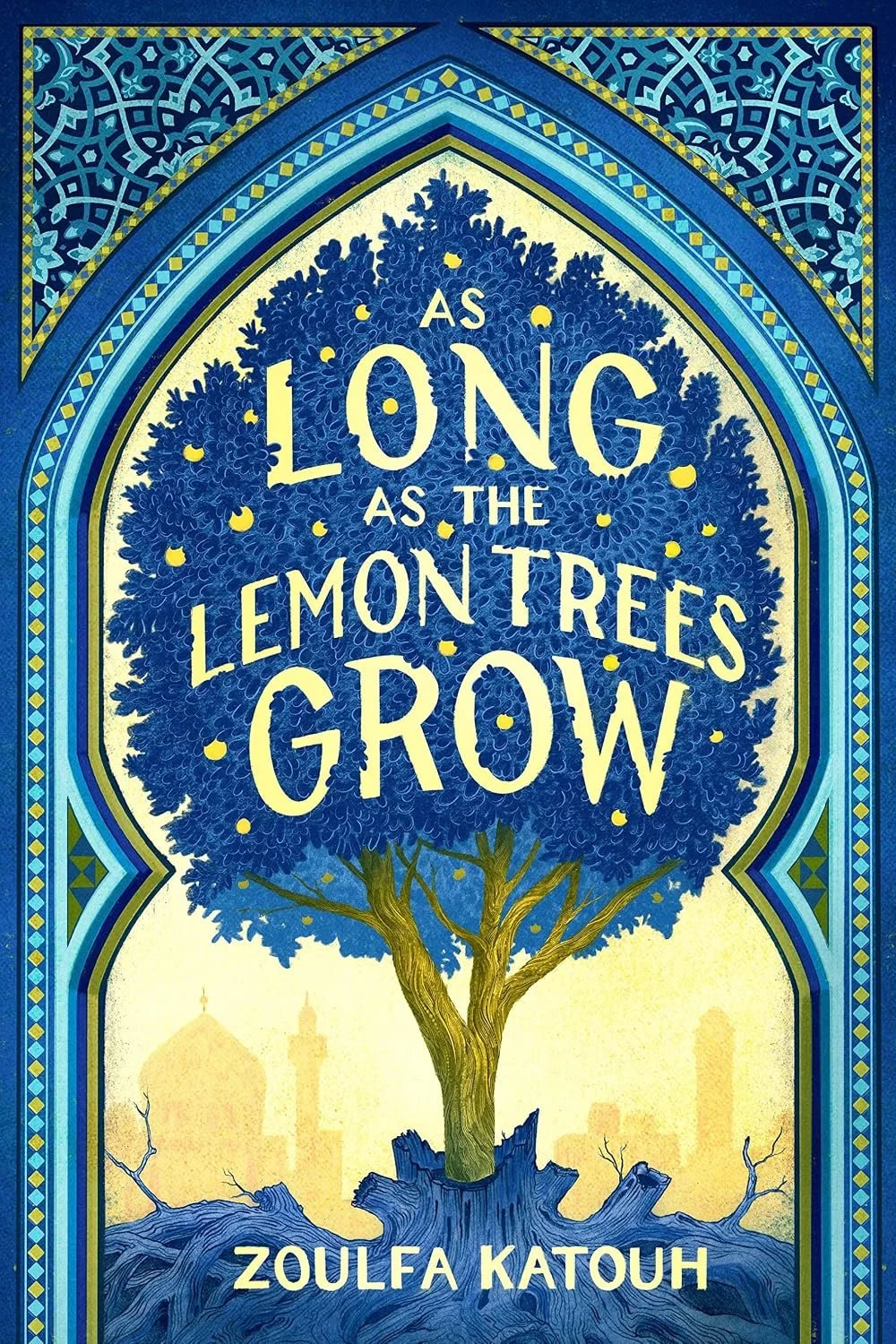
As Long as the Lemon Trees Grow by Zoulfa Katouh
As Long as the Lemon Trees Grow places the reader inside the Syrian revolution through the life of a young woman attempting to survive while continuing to care for others. Rather than reducing Syria to the images of destruction through which the country is so often represented, Zoulfa Katouh gives the crisis an intimate human scale: one person’s fear, grief, love, responsibility, and impossible decision about whether to stay or leave. The novel is especially powerful in its portrayal of trauma, including the ways the mind creates its own mechanisms for surviving realities that have become unbearable. It also refuses the idea that fleeing one’s country is an easy choice or a rejection of home; leaving may be necessary for survival while still feeling like an enormous personal loss. Although written for a younger audience, it deals with war, displacement, and moral courage with an emotional seriousness that makes it meaningful for readers of any age.
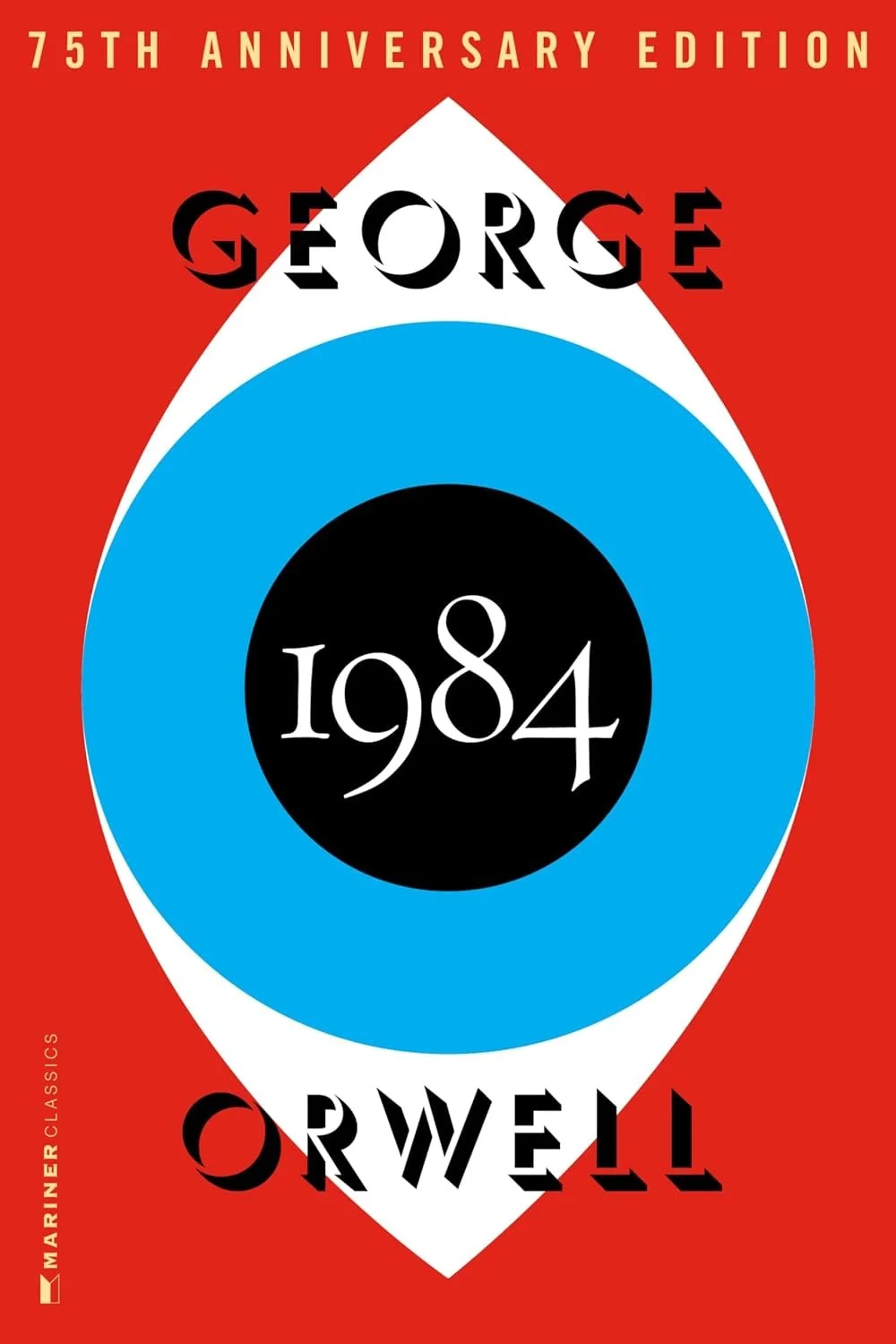
1984 by George Orwell
1984 can seem like one of those books people read only because it was assigned in high school, but it should be read and reread as a genuine warning. Orwell’s most frightening insight is not simply that an authoritarian state might watch its citizens, but that power can attempt to control language, memory, history, and eventually the boundaries of reality itself. The novel shows how truth becomes vulnerable when institutions can rewrite the past, exhaust people through fear, and make independent thought feel both dangerous and impossible. Reading it today, it is difficult not to recognize echoes of its world in political propaganda, pervasive surveillance, manipulated information, and the erosion of any shared understanding of facts. The warning bells should be going off throughout the entire book because its most horrifying mechanisms are not confined to fiction. Everyone who can read should read it—not because Orwell predicted the future perfectly, but because he understood how power behaves when nothing is allowed to restrain it.
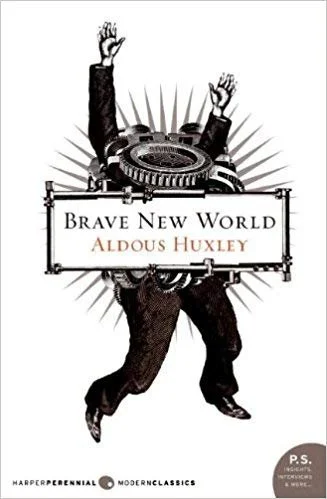
Brave New World by Aldous Huxley
Aldous Huxley is one of my favorite authors, if not my favorite author of all time, and Brave New World remains one of his most important works. It is often discussed alongside 1984, but Huxley imagines a different and in some ways more insidious form of control: not a society governed primarily through terror, but one pacified through pleasure, consumption, conditioning, distraction, and the elimination of meaningful discomfort. People do not need to be brutally forced into obedience if they can be taught never to want anything beyond the system already provided for them. That idea feels increasingly unsettling in a world of endless entertainment, targeted advertising, pharmaceutical escape, algorithmic distraction, and identities built through consumption. The tragedy is that both Orwell and Huxley appear to have understood different parts of the future, and elements of both visions now coexist around us. Brave New Worldshould be required reading because it asks whether freedom can disappear without most people ever feeling that anything has been taken away.
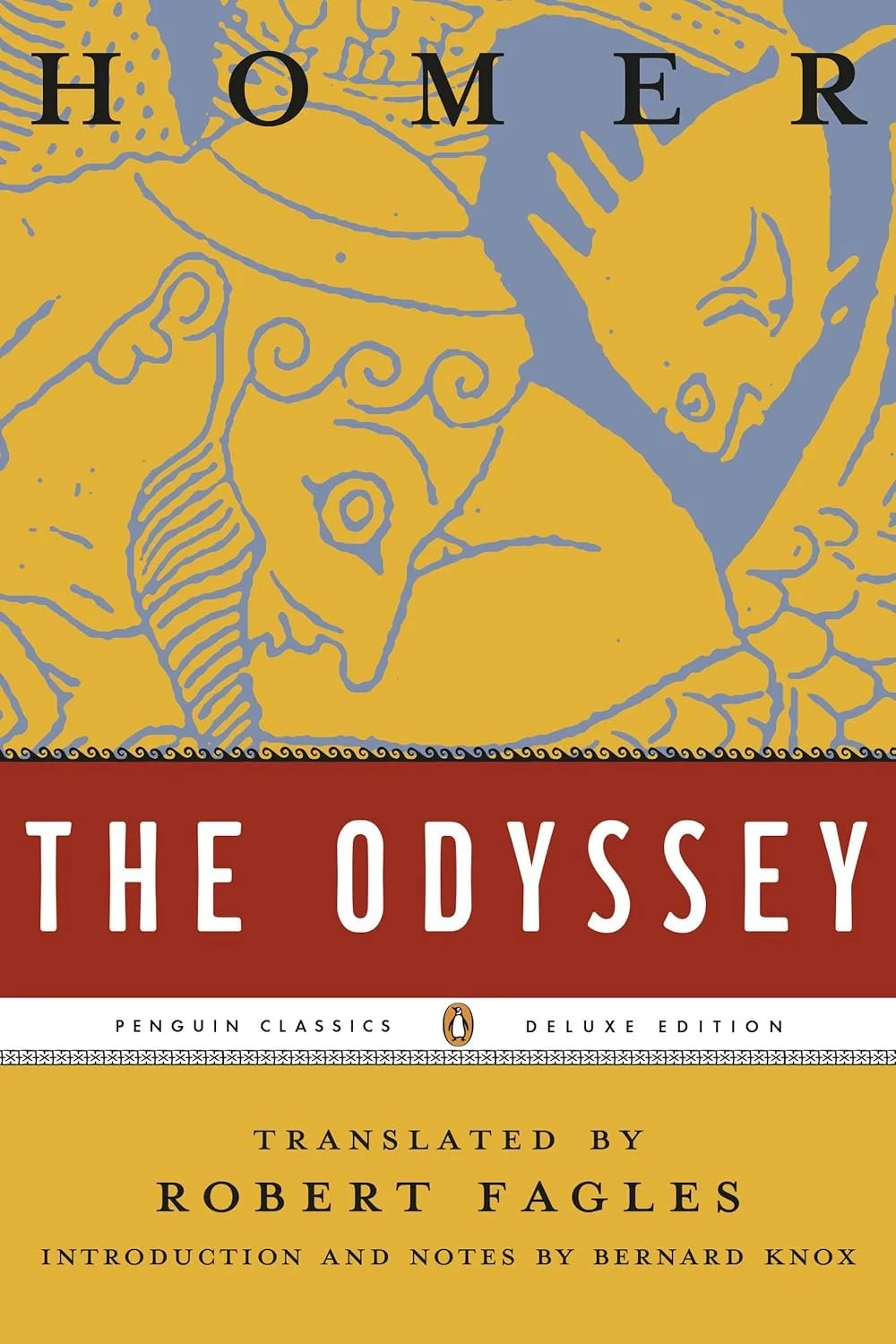
The Odyssey by Homer
The Odyssey is one of the foundational stories of Western literature, but it remains compelling because its central concerns are still so recognizably human. Beneath the monsters, gods, shipwrecks, and supernatural trials is a story about the longing to return home and about how both the traveler and the home itself are changed by the passage of time. Odysseus survives through intelligence, storytelling, disguise, endurance, and, at times, extraordinary selfishness, making him much more complicated than a conventional hero. The epic also continually asks what hospitality, loyalty, identity, and belonging require of us, particularly when strangers arrive at our door or when someone returns after becoming almost unrecognizable. It is an adventure story, but it is also a meditation on exile and the unsettling realization that reaching home does not necessarily mean becoming the person you were before you left.
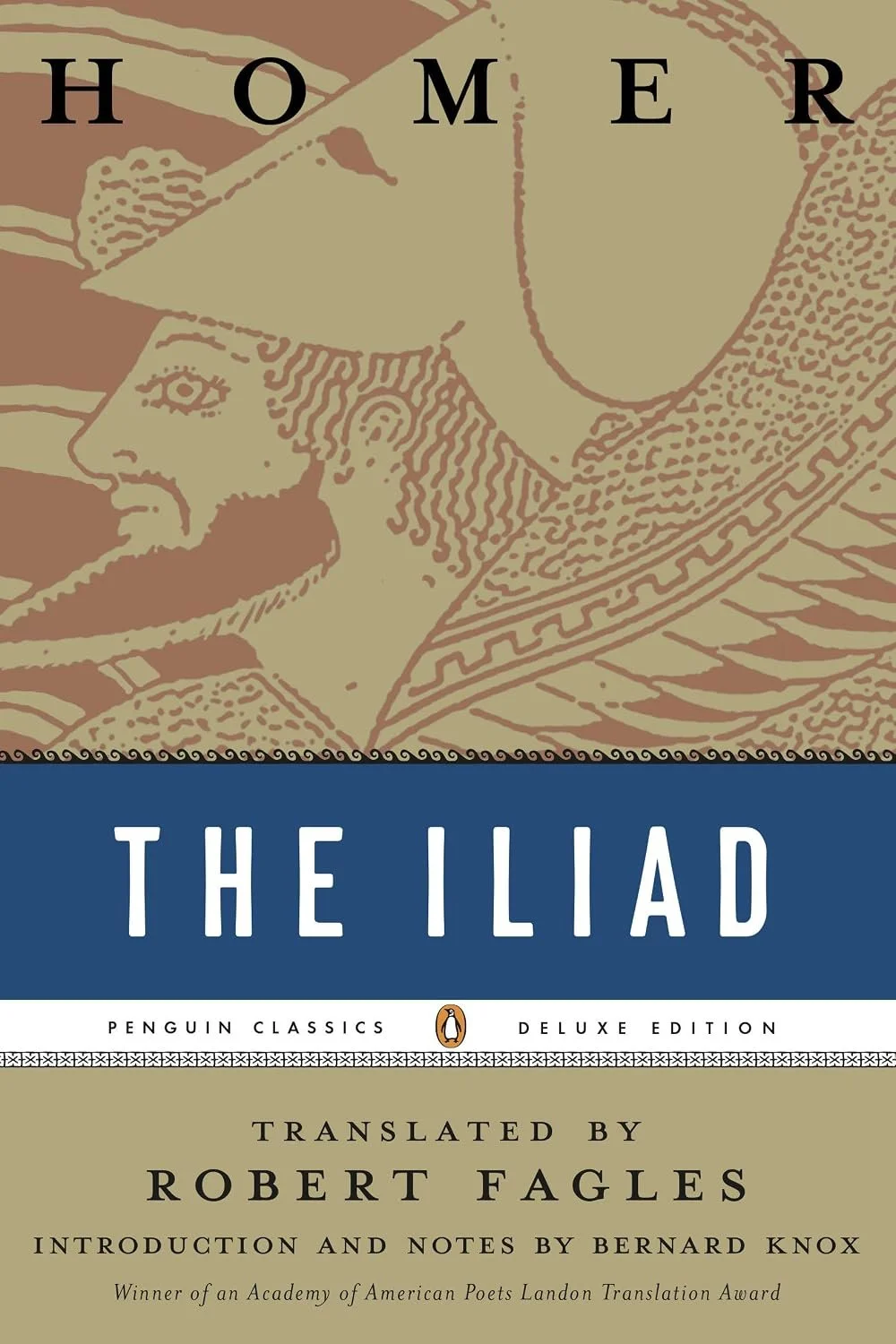
The Iliad by Homer
Although The Iliad is commonly described as a war epic, it is far less interested in celebrating war than in examining rage, pride, mortality, and the suffering produced by men competing over honor. The poem begins not with the war itself but with Achilles’ anger, and from there shows how one person’s wounded pride can ripple outward through an entire society. Even the most heroic warriors remain painfully mortal, and Homer repeatedly pauses amid the violence to remind us that each death destroys a singular human life with a family, a history, and a future that will now never exist. Its most powerful moments are not the battles but the rare instances when enemies recognize one another’s grief and humanity. Despite its enormous historical distance, The Iliad still feels relevant because societies continue to dress violence in the language of glory while ordinary people bear its consequences. It is difficult, brutal, and unexpectedly tender.
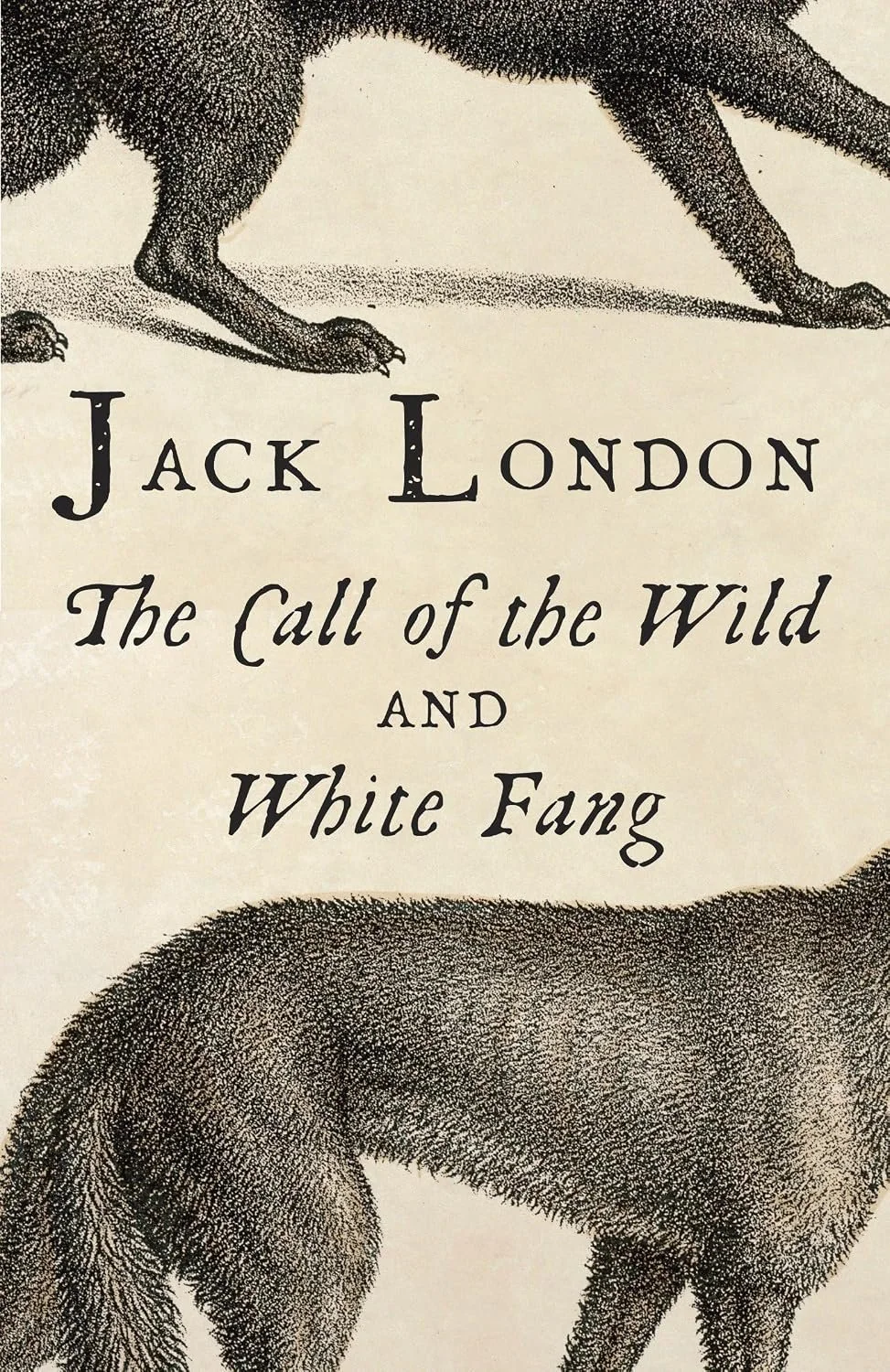
The Call of the Wild by Jack London
The Call of the Wild follows a domesticated dog forced into the violence and extremity of the Yukon, but its deeper subject is the thinness of the boundary between civilization and instinct. Jack London portrays Buck’s transformation not simply as a decline into savagery, but as an awakening to parts of himself that domestic life had suppressed. The natural world in the novel is beautiful but entirely indifferent, rewarding adaptation rather than morality and exposing how quickly comfort can disappear. At the same time, the human cruelty Buck experiences complicates any easy distinction between civilized people and wild animals. It is a short, propulsive book, yet it raises lasting questions about freedom, survival, loyalty, and whether returning to one’s deepest nature is a liberation or a loss.
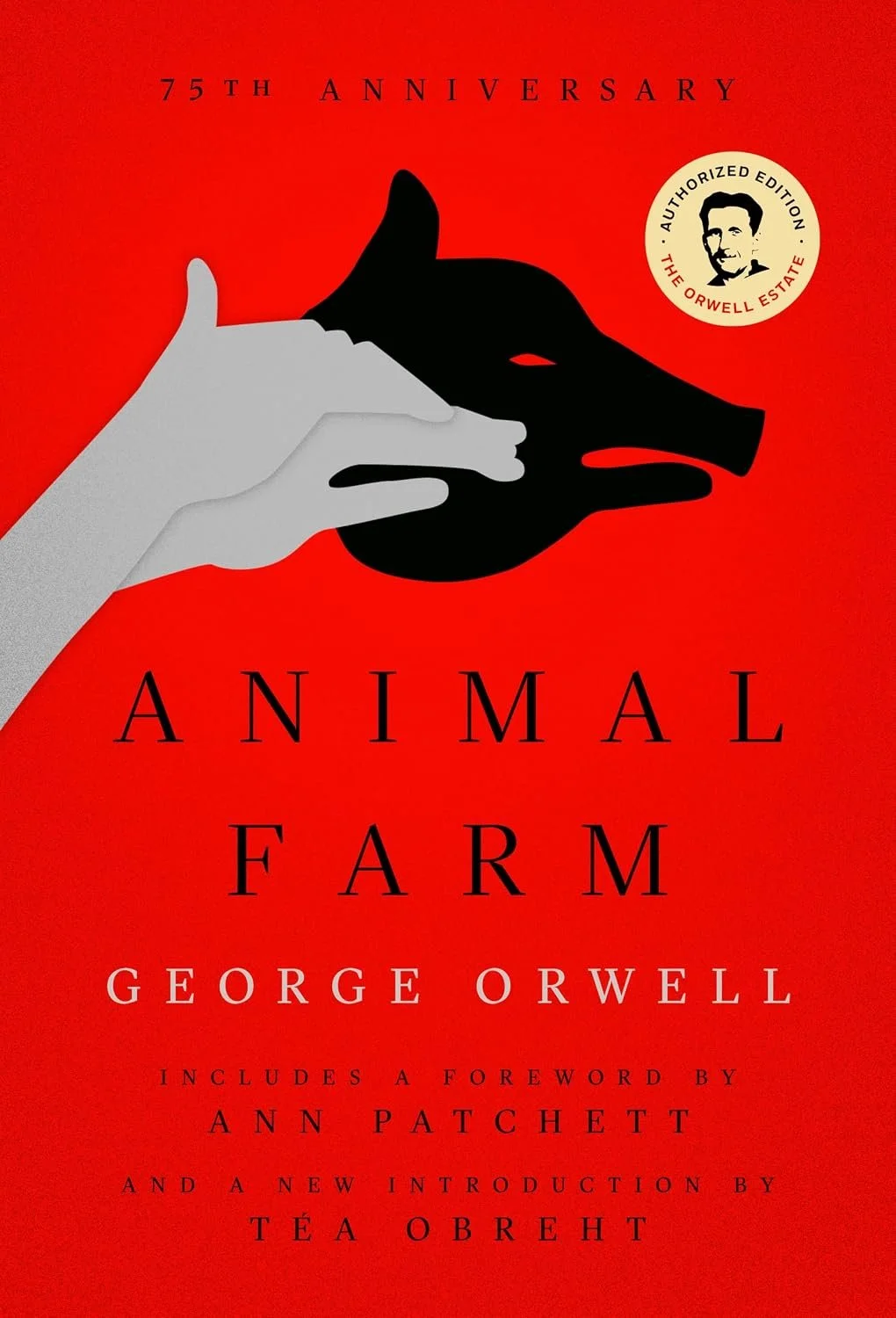
Animal Farm by George Orwell
Animal Farm is deceptively simple: a short political fable about animals overthrowing their human owner and attempting to build a more equal society. Its power lies in how clearly Orwell shows revolutionary ideals being gradually corrupted through propaganda, fear, historical revision, and the consolidation of authority in the hands of a new elite. The transformation does not happen all at once; each compromise is small enough to be explained away until the original promise of equality has been almost completely reversed. That gradualness is what makes the book so disturbing and so enduring, because it reveals how people can participate in the destruction of their own freedoms while continuing to repeat the language of liberation. It is easy to read but impossible to dismiss as merely a children’s story. Orwell understood that the most effective political lies often preserve the vocabulary of justice while emptying it of all meaning.
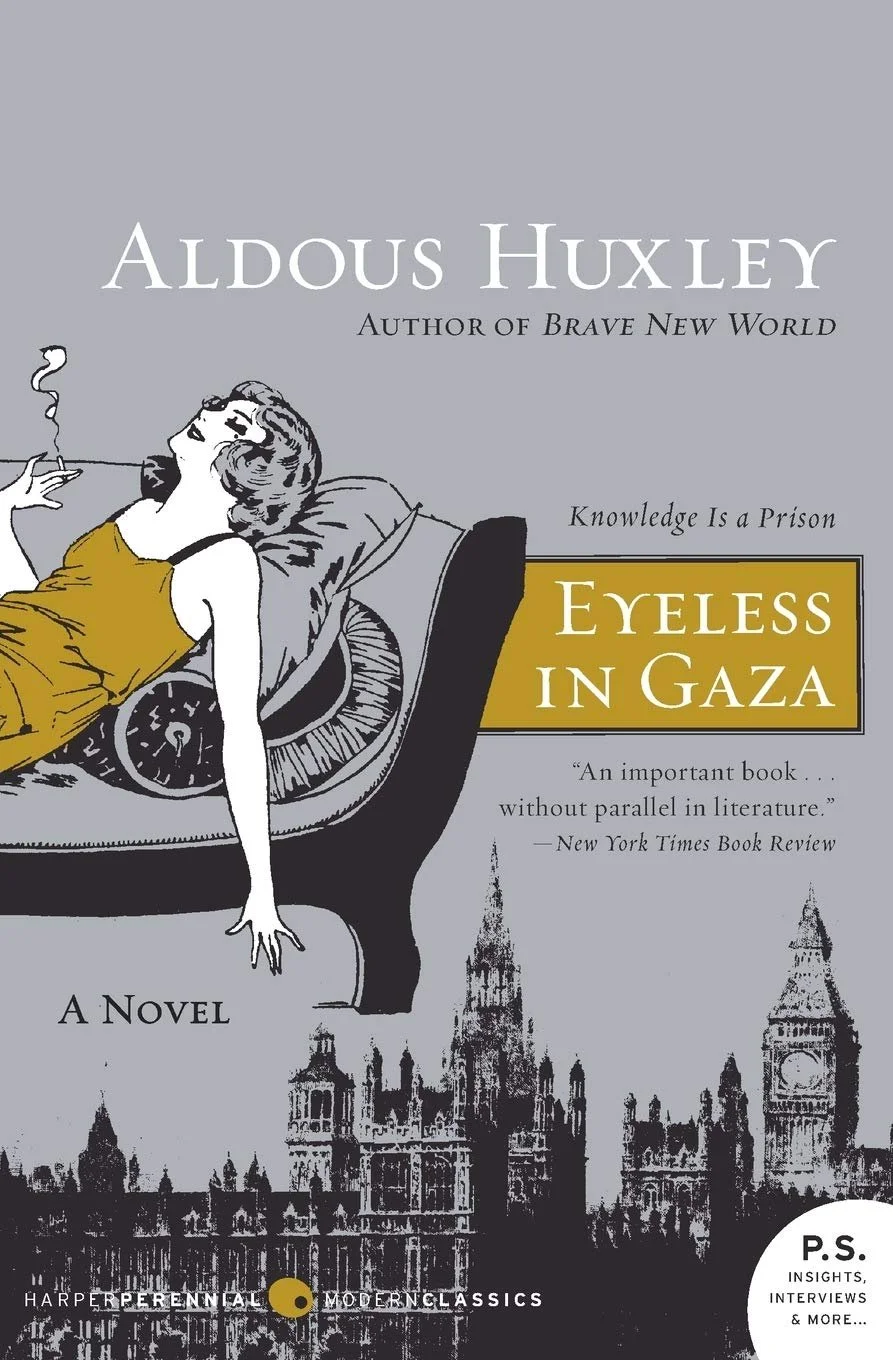
Eyeless in Gaza by Aldous Huxley
Part of what I love about Eyeless in Gaza is that it contains Aldous Huxley at his most brilliant, intellectual, dryly funny, and almost hilariously pretentious. His prose can feel as though he is looking down his nose at the reader while switching languages and references simply to see whether we can keep up. And perhaps that says something equally pretentious about me, because I love him for it. The novel moves nonlinearly through memory, politics, relationships, and one man’s gradual confrontation with the emptiness of the privileged life he has been living. Huxley’s imagery is so precise and inventive that there are passages I genuinely wish I could steal, including his descriptions of memory as a succession of postcard-like images shuffled through the mind. The fragmented structure reflects the strange way we actually remember our lives: not chronologically, but through sensations, associations, and scenes that reappear without warning. It is demanding, formally ambitious, and filled with the kind of writing that makes me want to become a better writer myself.
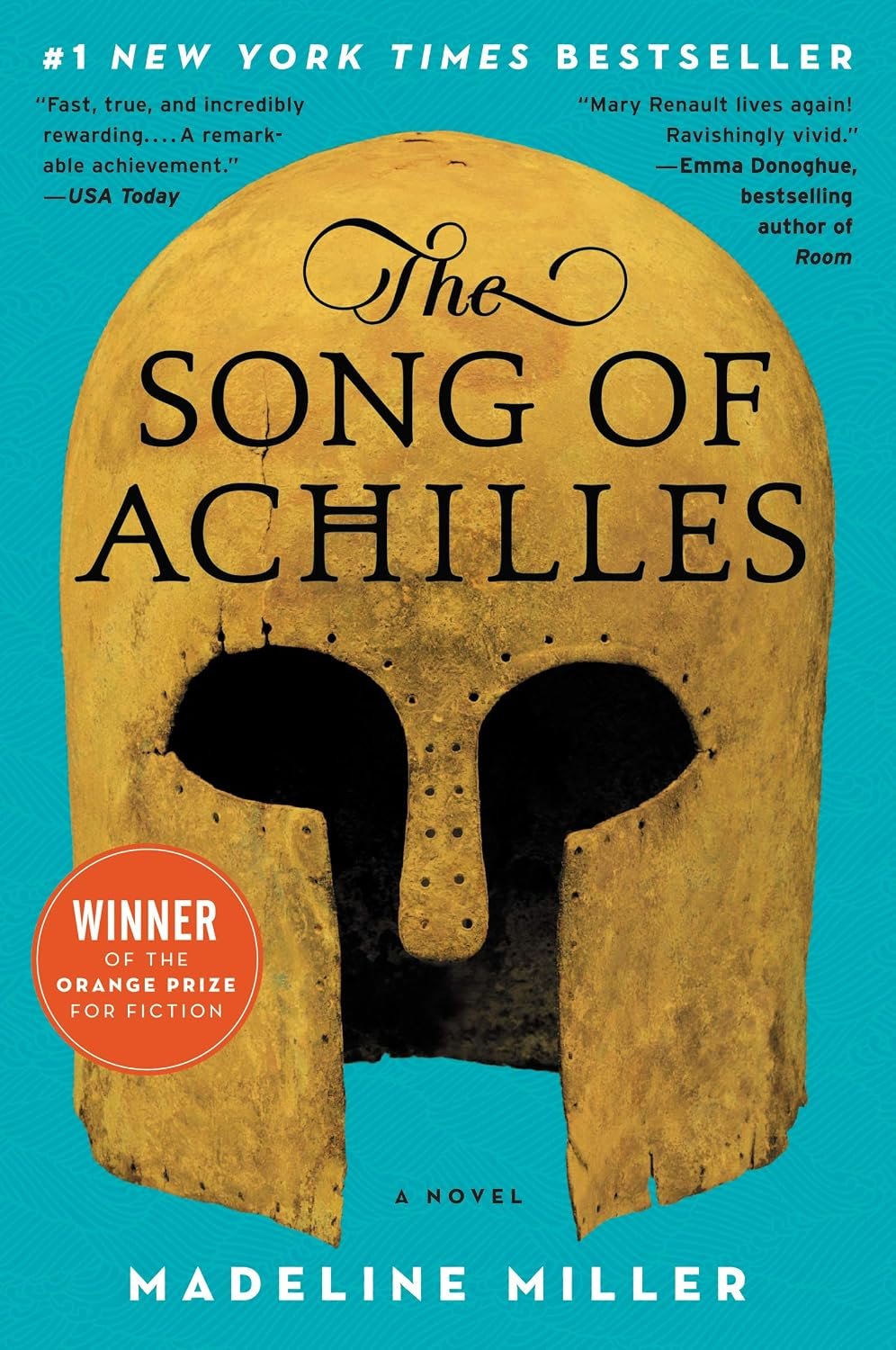
The Song of Achilles by Madeline Miller
The Song of Achilles takes one of the most famous warriors in mythology and rebuilds his story around tenderness, intimacy, and the person who knew him before he became a legend. By telling the story through Patroclus, Madeline Miller transforms the familiar events of The Iliad into a deeply personal examination of love, fate, ambition, masculinity, and the terrible cost of being made into a symbol. We know from the beginning that the story is moving toward tragedy, but that foreknowledge makes every quiet moment between the characters more meaningful rather than less. Miller’s prose is lyrical without becoming inaccessible, and she gives emotional depth to a myth that can otherwise feel remote or monumental. It is a beautiful and devastating love story, but it is also about the difference between how history remembers a person and who that person was to those who loved them.
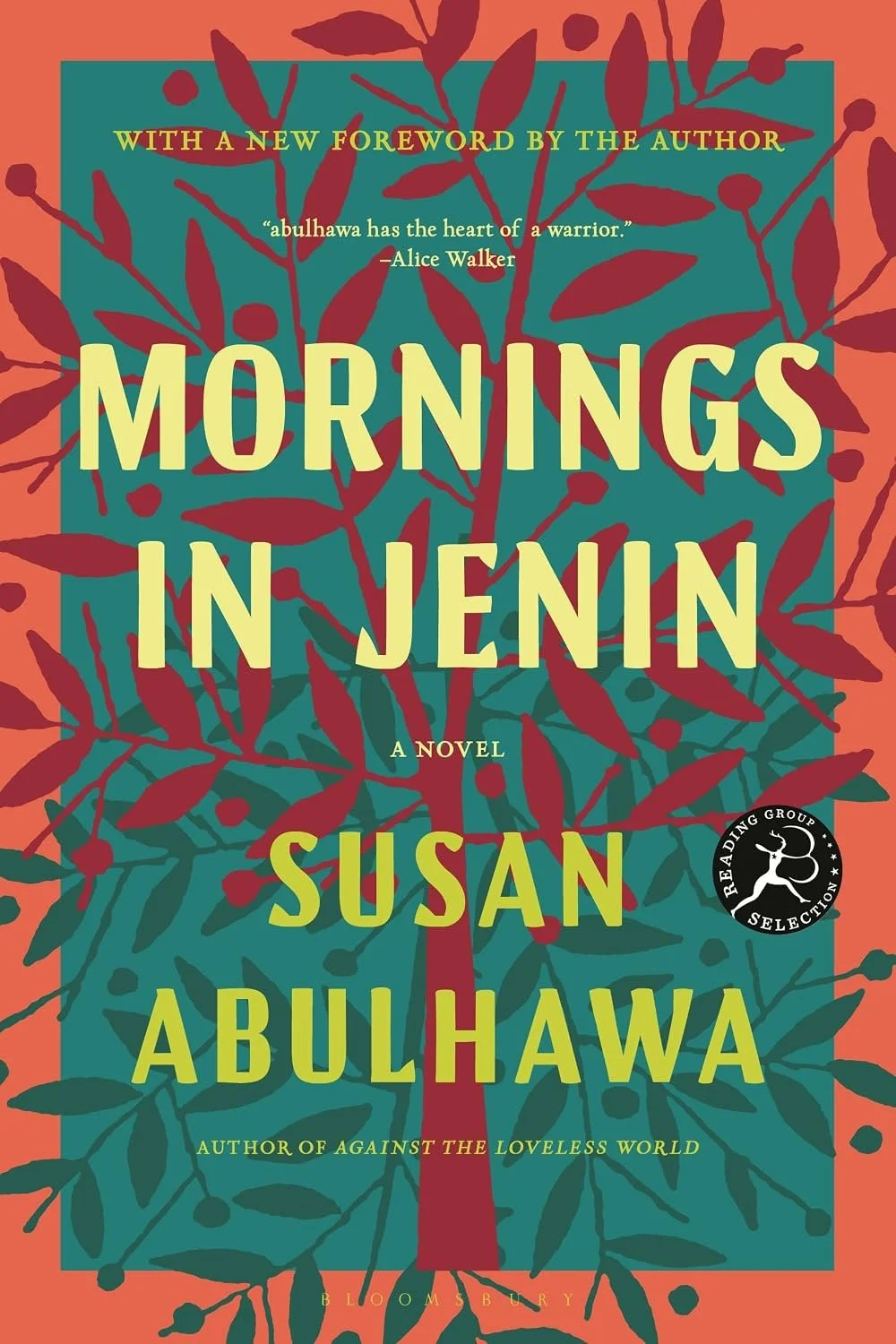
Mornings in Jenin by Susan Abulhawa
Mornings in Jenin tells the history of Palestinian displacement through several generations of one family, transforming political events that are often discussed abstractly into the intimate realities of separation, exile, grief, memory, and the longing for home. Susan Abulhawa shows how history does not simply happen to nations; it enters families, alters relationships, changes identities, and continues to shape the lives of people born long after the original act of dispossession. The novel is painful, but it also insists on the fullness of Palestinian life beyond suffering, on love, humor, desire, family, and the determination to preserve memory when even memory is politically contested. Its emotional force comes from allowing readers to remain with these characters across decades rather than encountering them only as statistics or images in the news. It is an essential book for anyone seeking to understand Palestine through the lives of the people who have endured its history.
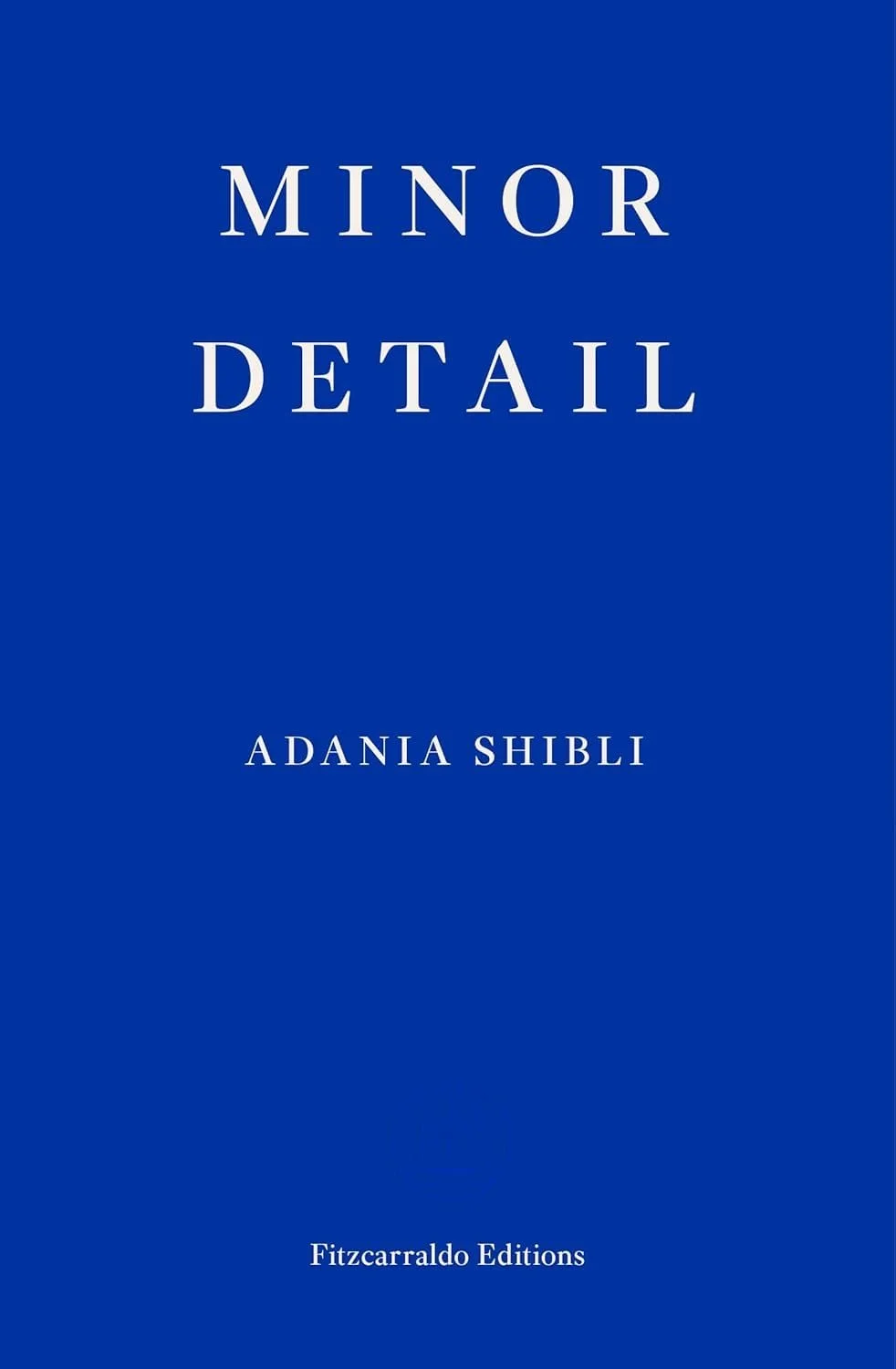
Minor Detail by Adania Shibli
Minor Detail is one of the most horrific and devastating books I have read, and also one of the most important. It is a short novel and can be read quickly in a purely physical sense, but the violence, restraint, and psychological intensity make it extraordinarily difficult to move through. Adania Shibli connects the assault and murder of a Palestinian girl during the Nakba with a contemporary Palestinian woman’s attempt to uncover what happened, revealing how historical violence persists through restricted movement, surveillance, fear, and enforced silence. The spare writing never sensationalizes what occurs, which somehow makes the brutality even harder to escape. This is not an easy or comforting book, but comfort would be fundamentally dishonest to the realities it confronts and to what Palestinians have experienced and continue to experience. In my opinion, it is a must-read: disturbing, exacting, and impossible to forget.
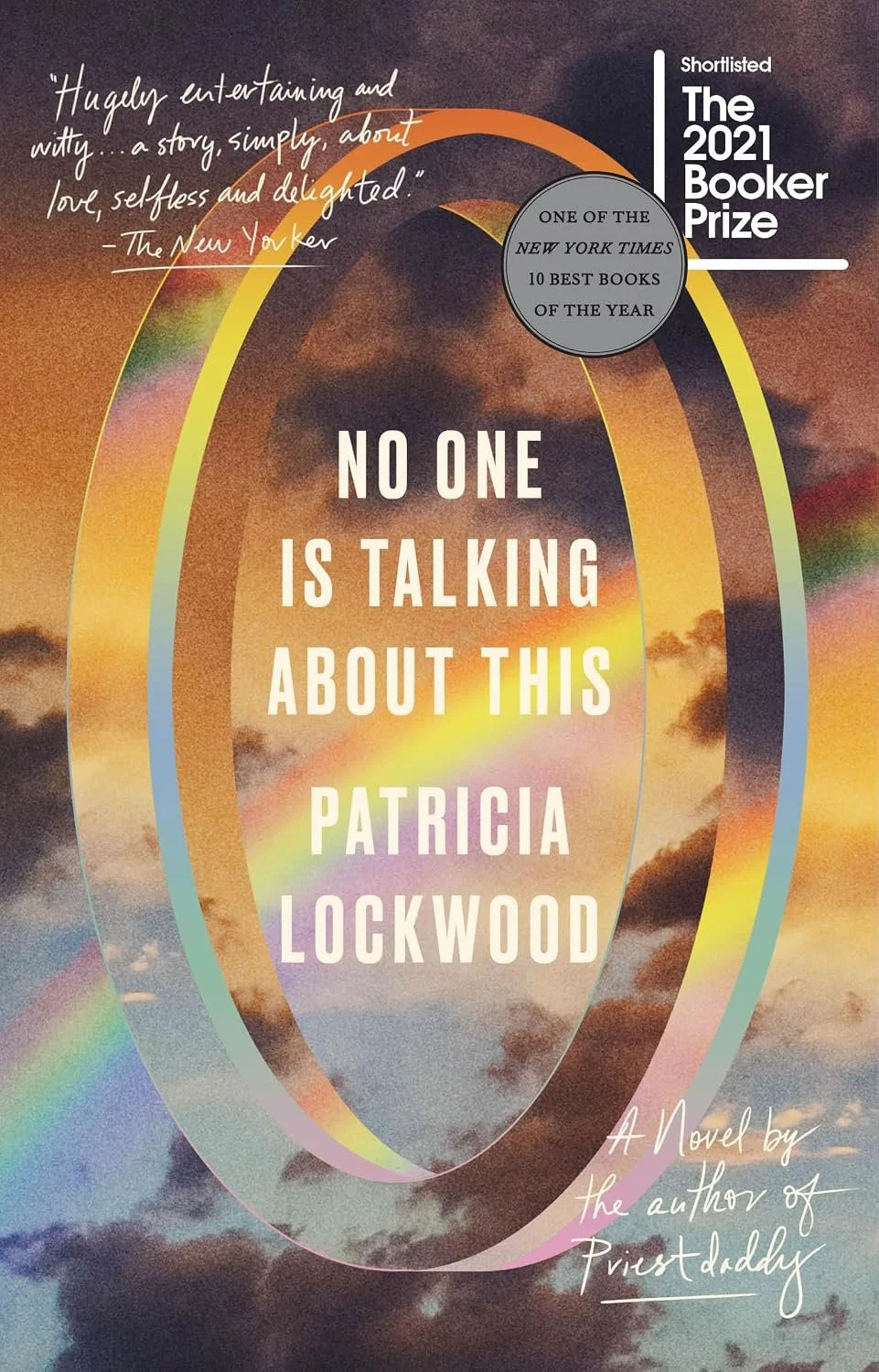
No One Is Talking About This by Patricia Lockwood
I don't think you'd fully get this book if you hadn't spent a significant part of your life immersed in internet culture. Its references, from Harambe to "binch" and countless other fleeting moments of online absurdity, are so specific to a particular era that I suspect readers fifty years from now won't experience it in quite the same way.
That's also what makes it so brilliant. Lockwood captures the strange rhythm of modern life, where our attention is consumed by memes, outrage, and trends that disappear almost as quickly as they arrive. At first, the novel's two halves feel almost disconnected, but that's precisely the point. It shifts from the chaotic, often ridiculous performance of life online to an experience of profound love and grief that no amount of posting, scrolling, or digital language can adequately express. In the end, the novel becomes less about the internet itself than about the impossible task of reconciling these two realities—the trivial and the transcendent—that increasingly coexist in our lives.
Travel & Place
The best travel books rarely tell you where to go.
Instead, they teach you how to see.
Some explore history through landscapes, others reveal cultures through everyday moments, and many ask difficult questions about tourism, identity, privilege, and belonging. They've profoundly influenced how I approach both travel and reporting.
These are the books that make me want to book a flight—not simply to visit somewhere new, but to understand it more deeply.
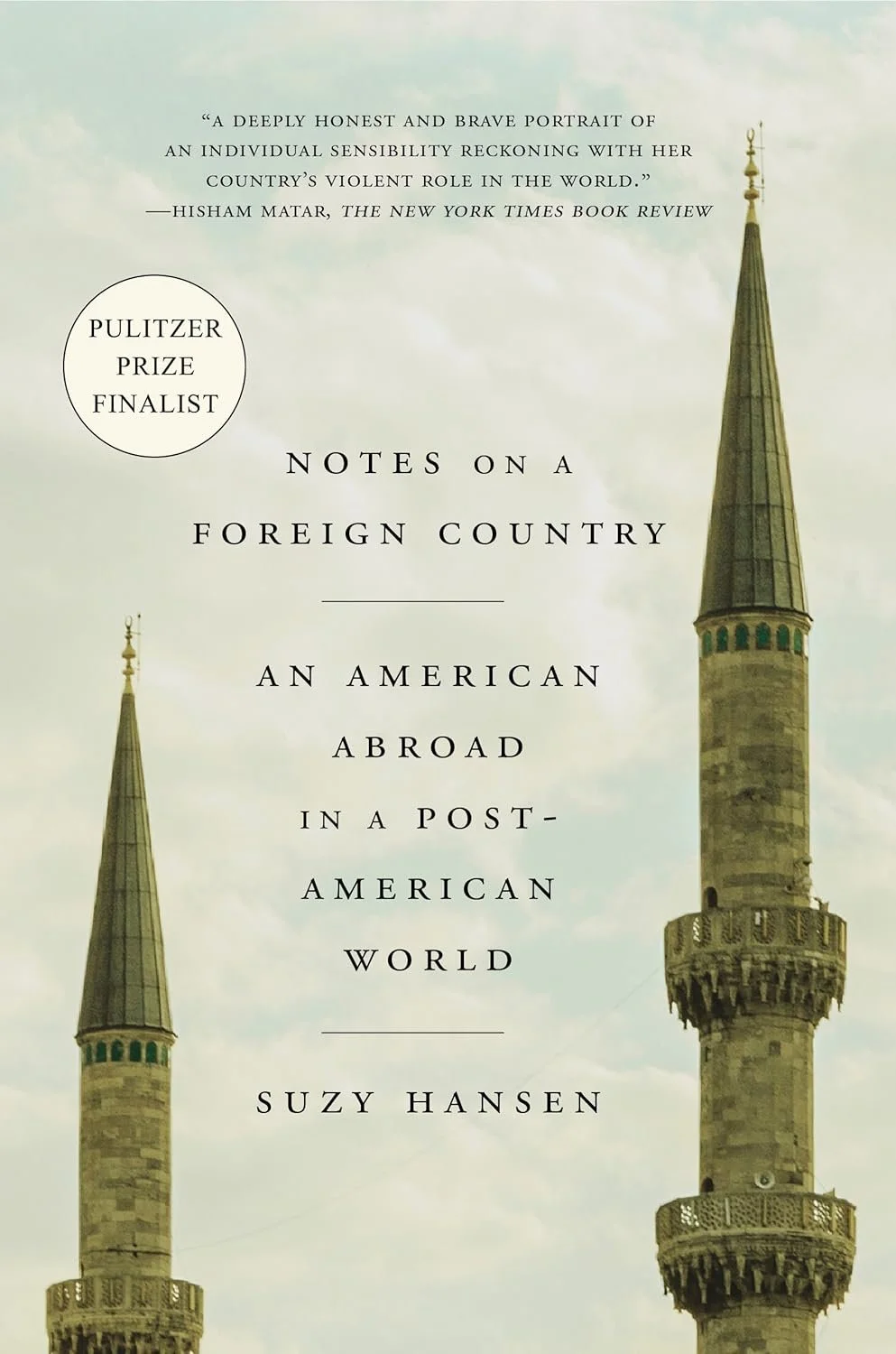
Notes on a Foreign Country by Suzy Hansen
As someone who has been profoundly changed by traveling and spending time with people outside the United States, I found Notes on a Foreign Country both validating and deeply important. Suzy Hansen writes with unusual honesty about the process of leaving America and gradually recognizing how insulated many Americans are from the consequences of their country’s power abroad. The book confronts the myths and propaganda we are raised with, the assumption that the United States is inherently benevolent, exceptional, and generally understood by the rest of the world as a force for good. Hansen’s awakening is uncomfortable precisely because it requires her to recognize how much she did not know and how confidently she had misunderstood the world. It is an essential book about what can happen when travel becomes more than movement and instead forces us to question the stories our own country has taught us to believe.
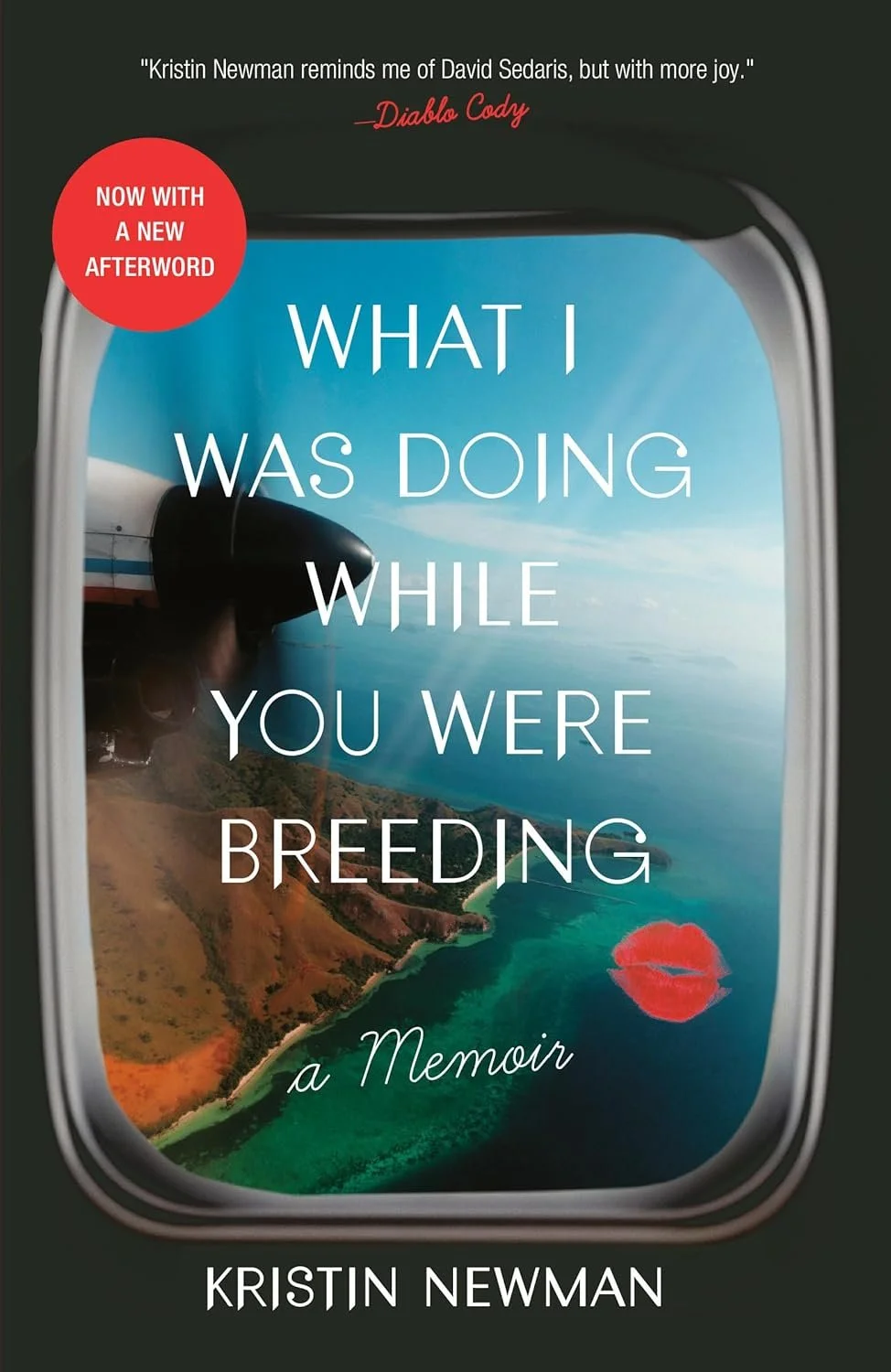
What I Was Doing While You Were Breeding by Kristin Newman
I love this book and have read it several times because Kristin Newman is genuinely hilarious, but also because so much of it resonates with the life I chose for myself for many years. She writes about remaining single, traveling widely, pursuing adventure, and refusing the conventional timeline of marriage, children, and the white-picket-fence life that women are still so often expected to want. The book is reassuring in the best possible way: it makes an unconventional life feel not like a failure to settle down, but like a full and legitimate life in its own right. I have had my own versions of many of the chaotic, romantic, strange, and unforgettable experiences she describes, which makes the book feel especially personal to me. It is funny, refreshingly honest, and a wonderful reminder that there is no single correct way to build a meaningful life.
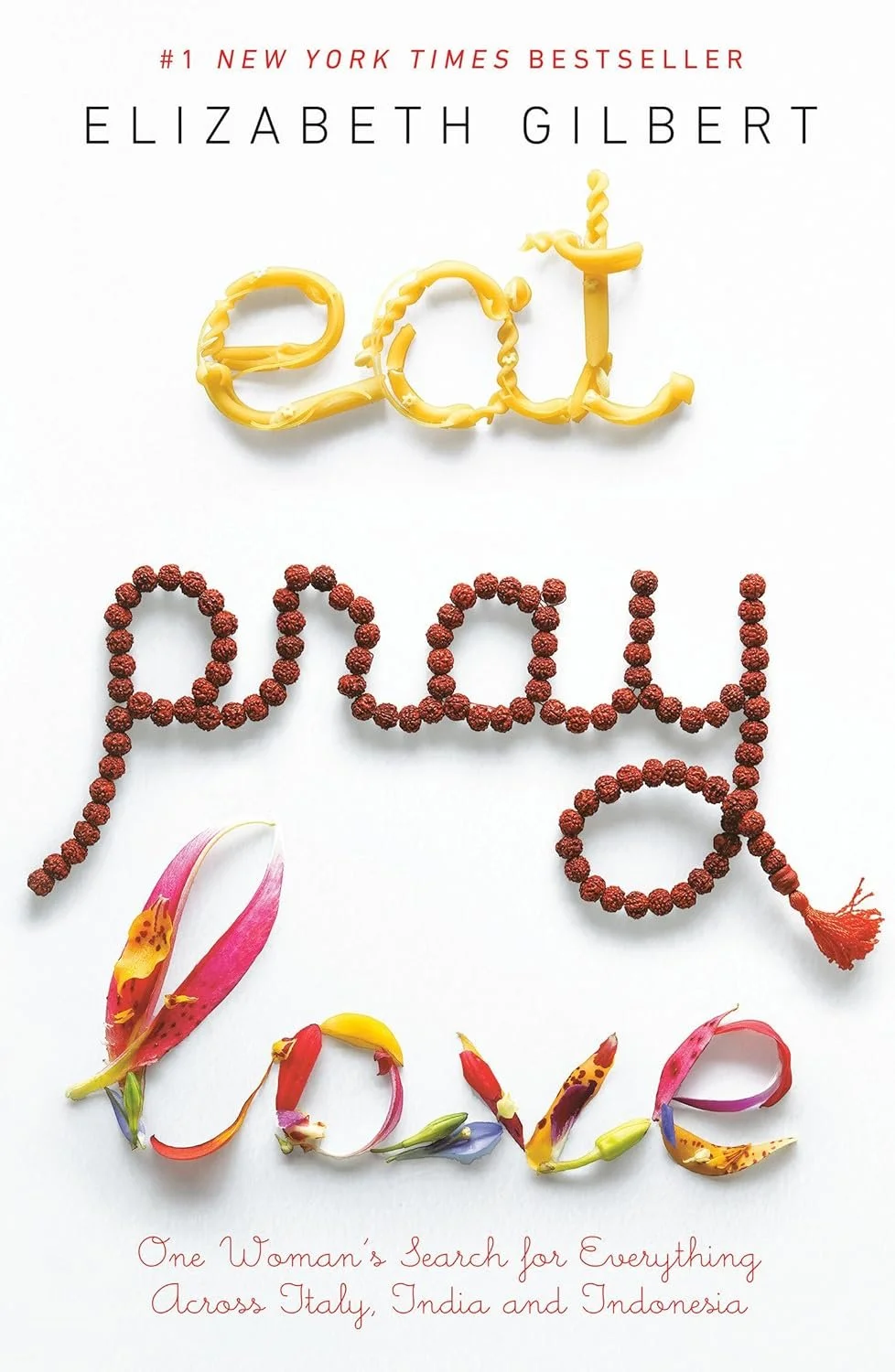
Eat, Pray, Love by Elizabeth Gilbert
Eat, Pray, Love receives an enormous amount of criticism, often reduced to a cliché about a privileged white woman traveling abroad to find herself, but I think that dismissal overlooks how good the book actually is. At its heart, it is an honest account of a person whose life has stopped making sense and who is trying, somewhat desperately, to determine what should come next. That experience is hardly limited to women or to travelers; it is one of the most universal forms of human uncertainty. The fact that Gilbert’s search unfolds through travel makes it particularly resonant for me, but what makes the book endure is her intelligence, humor, vulnerability, and extraordinary ability to turn interior struggle into compelling prose. Whatever criticisms can fairly be made of the premise or of Gilbert herself, she is a wonderful writer, and this remains a moving book about reinvention, pleasure, faith, and beginning again.
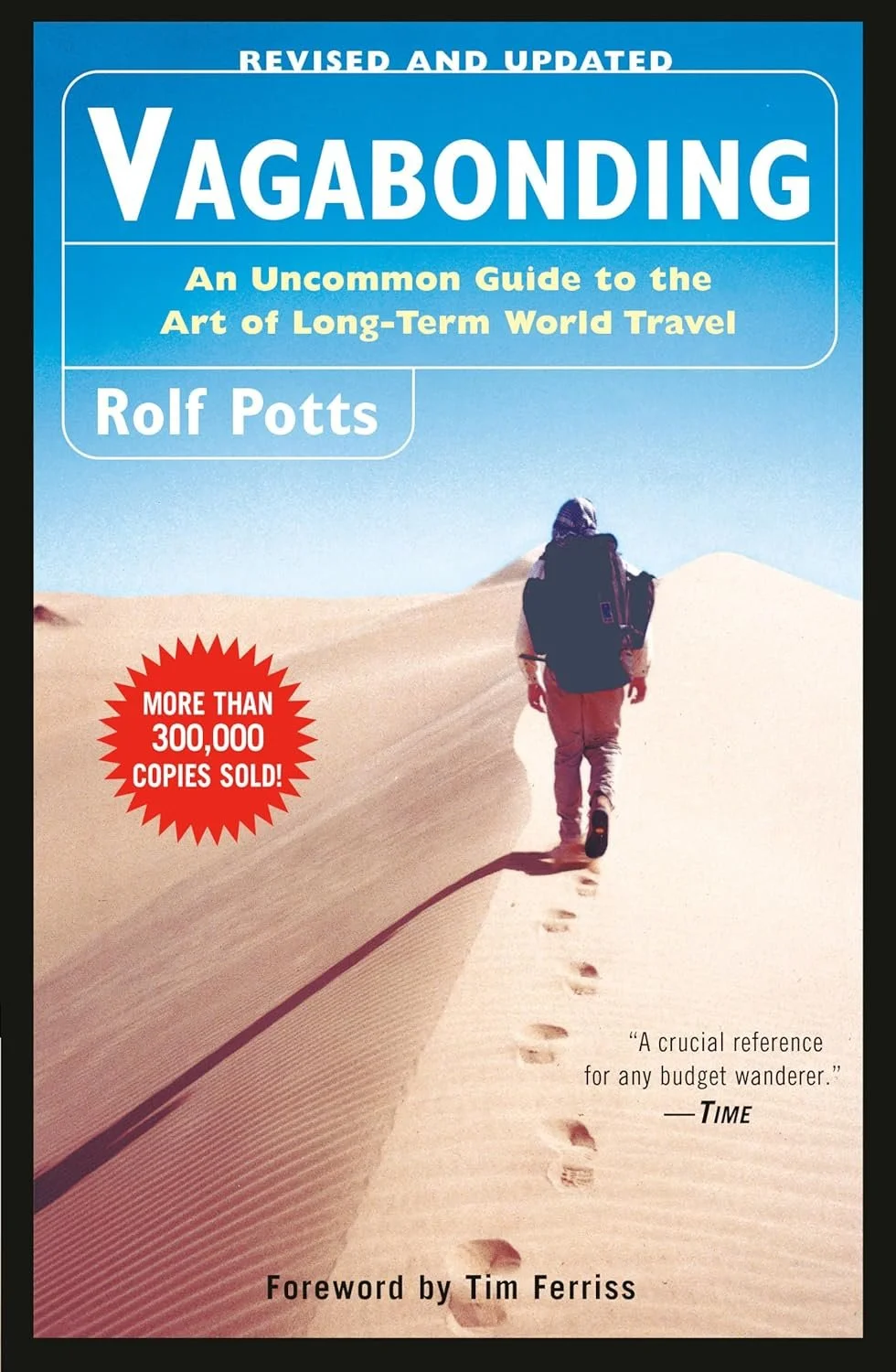
Vagabonding: An Uncommon Guide to the Art of Long-Term World Travel by Rolf Potts
Vagabonding is less a conventional travel guide than an argument for reorganizing your life around time, freedom, and curiosity. Rolf Potts challenges the assumption that meaningful long-term travel is reserved for the wealthy, retired, or unusually adventurous, suggesting instead that it begins with a willingness to simplify and to value experience over accumulation. What I appreciate most is that he treats travel not as an escape from real life, but as a way of engaging with life more intentionally and learning to tolerate uncertainty. Some of its advice belongs to an earlier era of travel, but the larger philosophy remains deeply relevant in a culture that continually encourages us to postpone living until some more convenient future. It is the kind of book that can make an unconventional life feel possible before you have fully figured out how to create it.
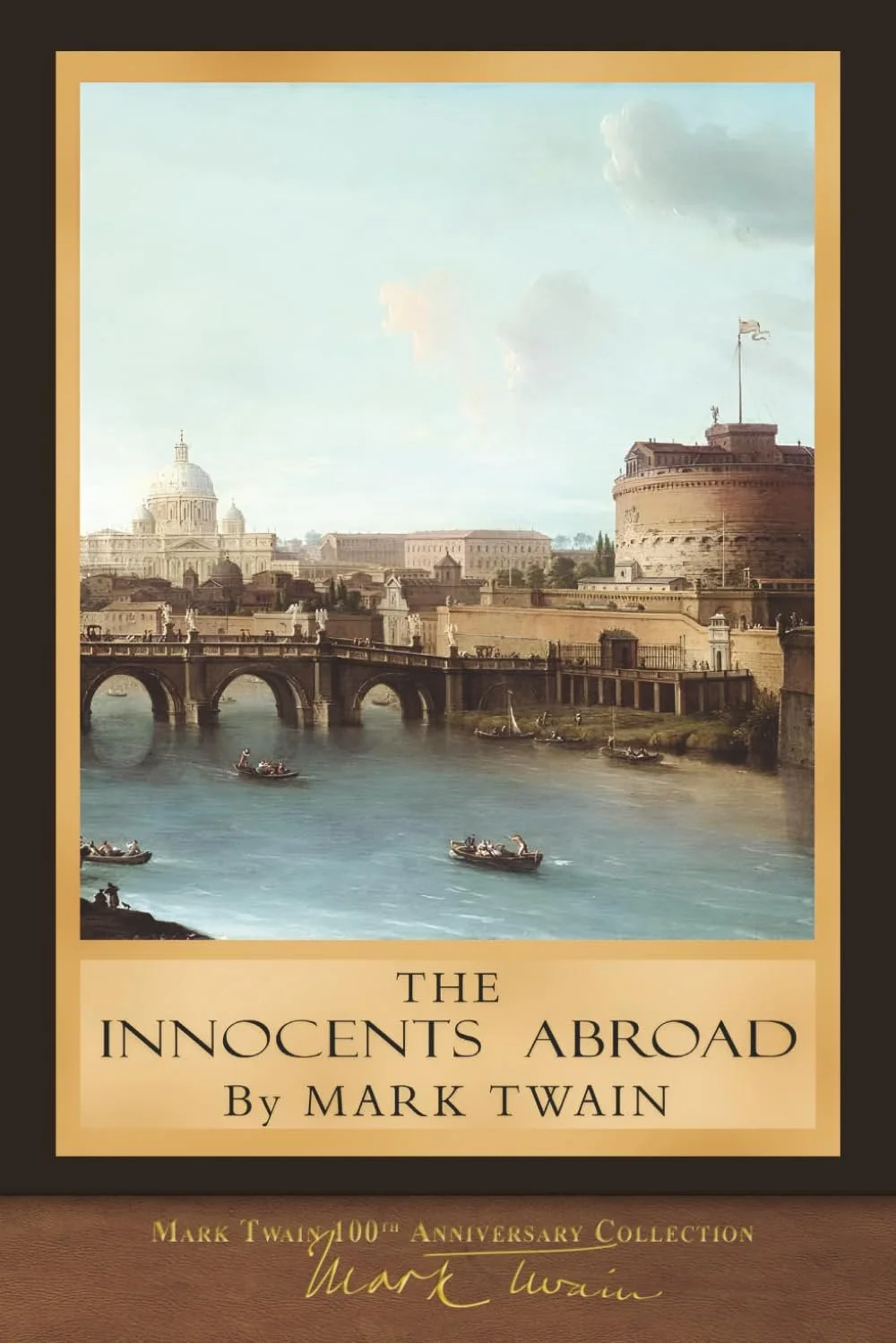
The Innocents Abroad by Mark Twain
I originally picked up The Innocents Abroad because I am naturally drawn to books about travel, but what made it memorable was Mark Twain’s humor. His portrayal of tourism is biting, irreverent, and often so contemporary that parts of the book feel as though they could have been written yesterday. He is particularly funny when exposing the vanity, entitlement, herd behavior, and cultural ignorance of travelers who move through the world expecting it to perform for them. The book is undeniably a product of the nineteenth century and should be read with that context in mind, but Twain’s satire of tourists remains remarkably recognizable. I often found myself wishing he were alive now, because the modern travel industry would have given him an almost unlimited supply of absurdities to dissect.
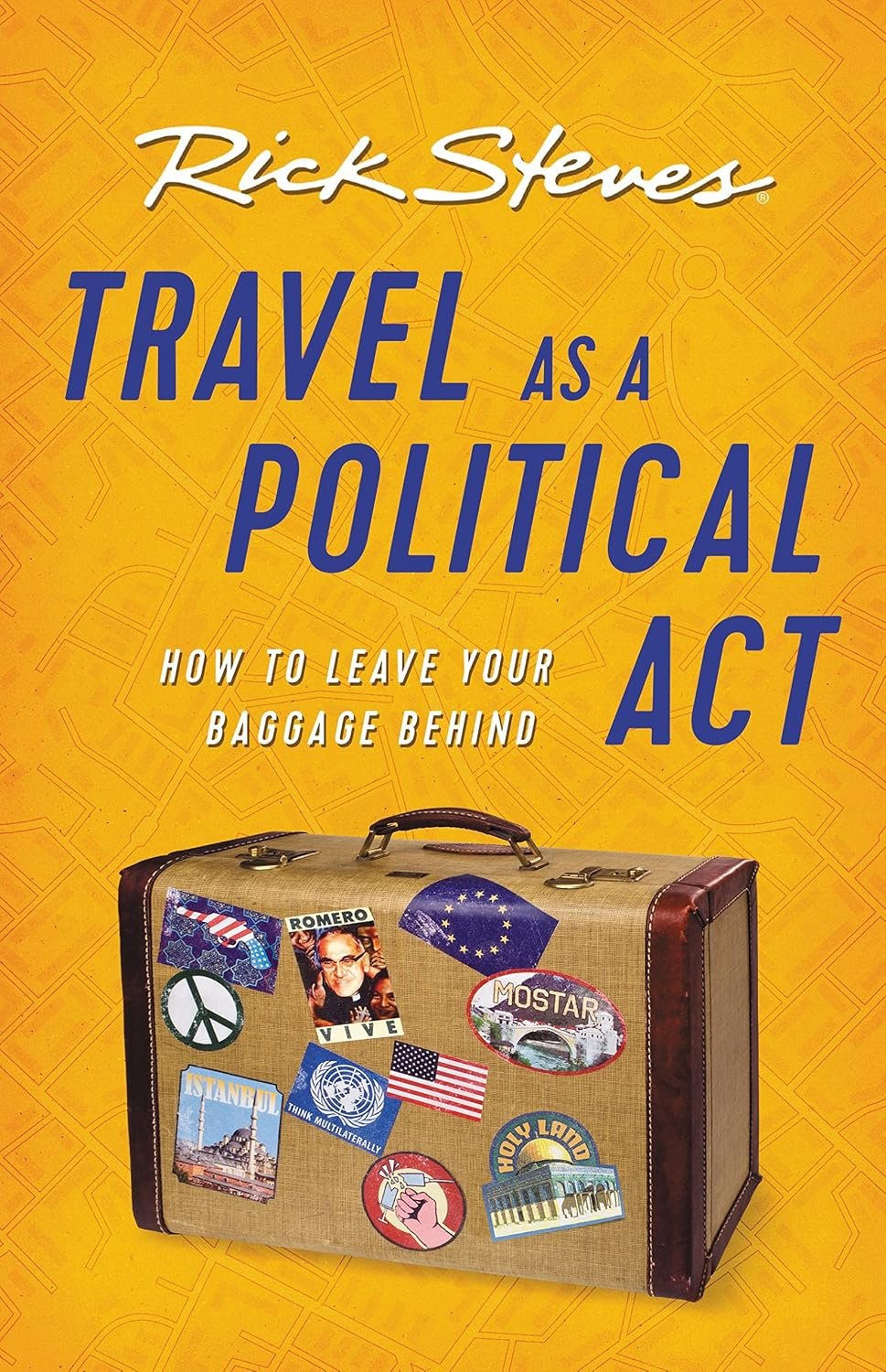
Travel as a Political Act by Rick Steves
The central message of Travel as a Political Act is one I agree with wholeheartedly: travel should do more than entertain us or provide attractive photographs. Rick Steves argues that crossing borders gives us an opportunity and perhaps a responsibility to question our assumptions, encounter unfamiliar political realities, and understand why other societies see the world differently than we do. He encourages travelers to leave the protective bubble built by the tourism industry and engage with history, policy, religion, inequality, and ordinary life. The book is especially important for Americans, who can travel extensively while remaining remarkably insulated from the effects of American power and from perspectives that challenge our own national mythology. It is an accessible but serious argument for treating travel as a form of education rather than consumption.
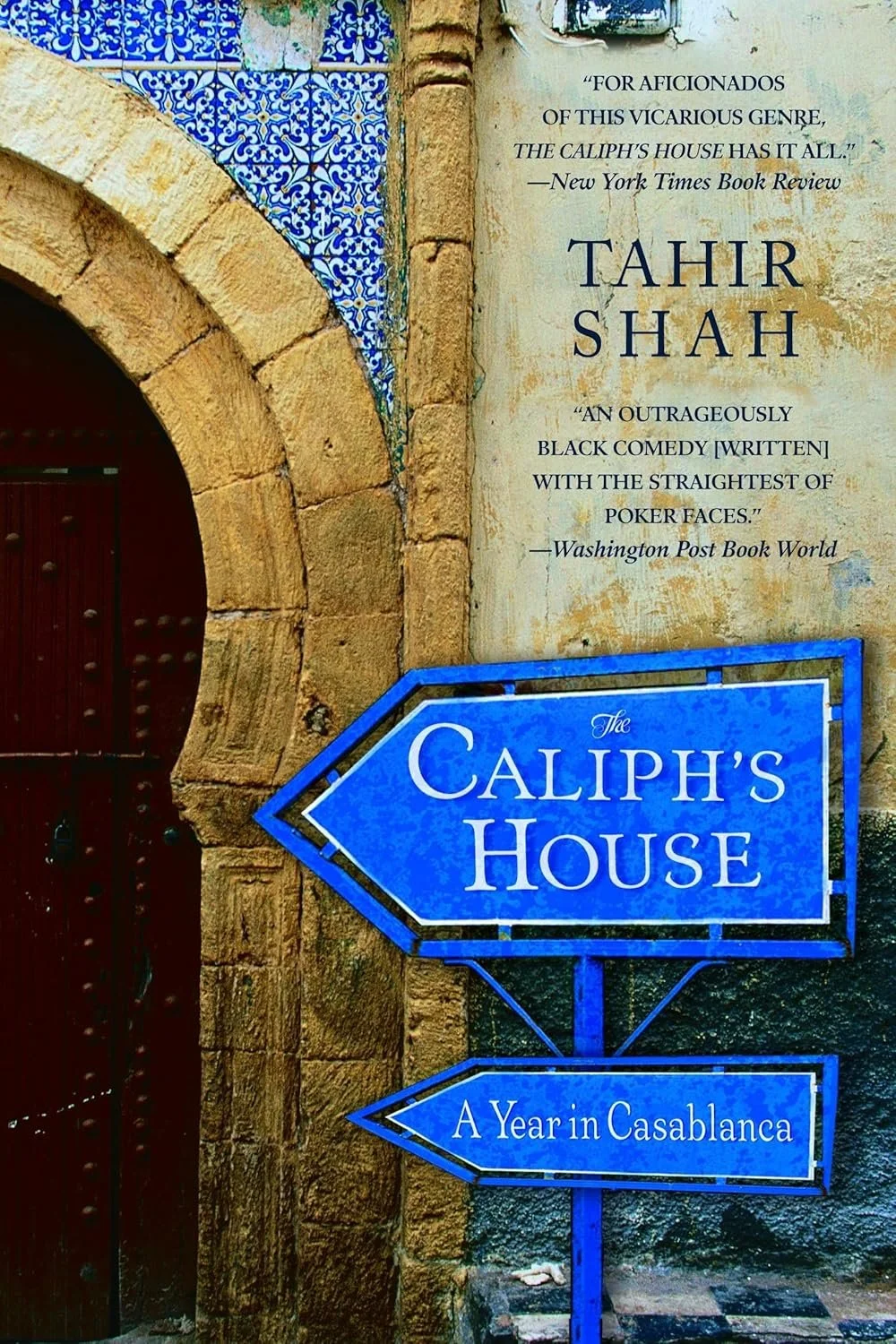
The Caliph’s House: A Year in Casablanca by Tahir Shah
I read The Caliph’s House while preparing to live in Morocco, and it gave me a surprisingly useful introduction to the country’s rhythms, contradictions, humor, and occasional chaos. Tahir Shah recounts the process of moving his family into a crumbling mansion in Casablanca, only to encounter structural disasters, local customs, supernatural anxieties, elaborate misunderstandings, and a seemingly endless cast of characters. It is an easy and extremely enjoyable book, but beneath the comedy is a genuine attempt to understand the cultural logic of a place that initially appears bewildering to an outsider. While living in Morocco, I recognized many of the quirks, frustrations, negotiations, and moments of absurdity he describes. It remains one of the books I most readily recommend to anyone who wants a lively, affectionate, and imperfect introduction to Moroccan life.
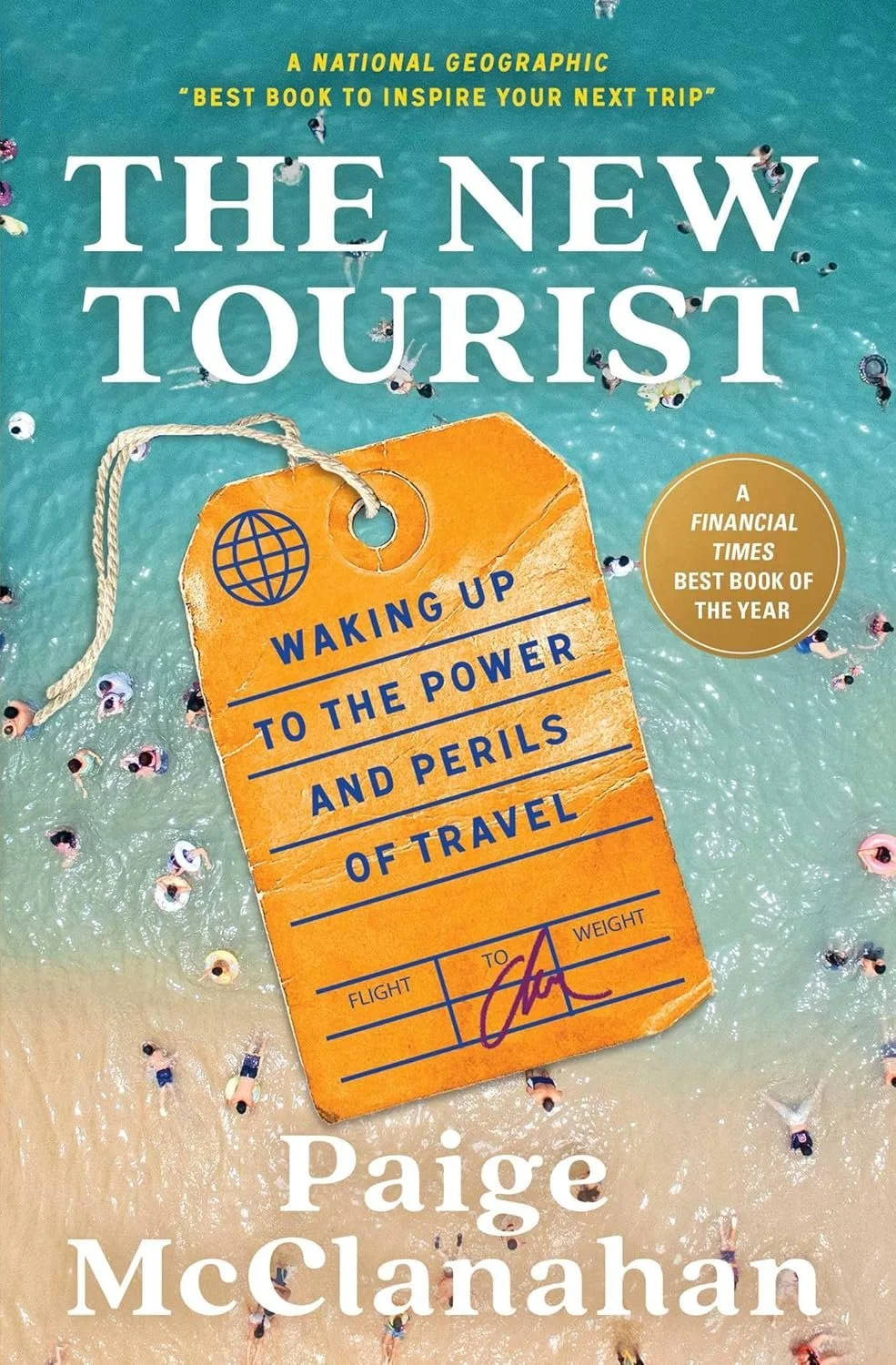
The New Tourist: Waking Up to the Power and Perils of Travel by Paige McClanahan
Tourism is a subject I care about enormously, which means I approached The New Tourist with both enthusiasm and fairly high expectations. I do think the book contains meaningful gaps, and I would not say that every argument is developed as fully or critically as it could be. Still, I respect what Paige McClanahan is attempting: to examine tourism as a global system with consequences for housing, labor, climate, culture, infrastructure, and the lives of the people who actually inhabit the destinations being consumed. Very few mainstream books attempt to provide such a broad overview of the industry while also imagining what a more responsible kind of traveler might look like. It is not the definitive book on ethical tourism, but it is a valuable starting point and one of the better contemporary efforts to encourage travelers to think beyond their own experience.
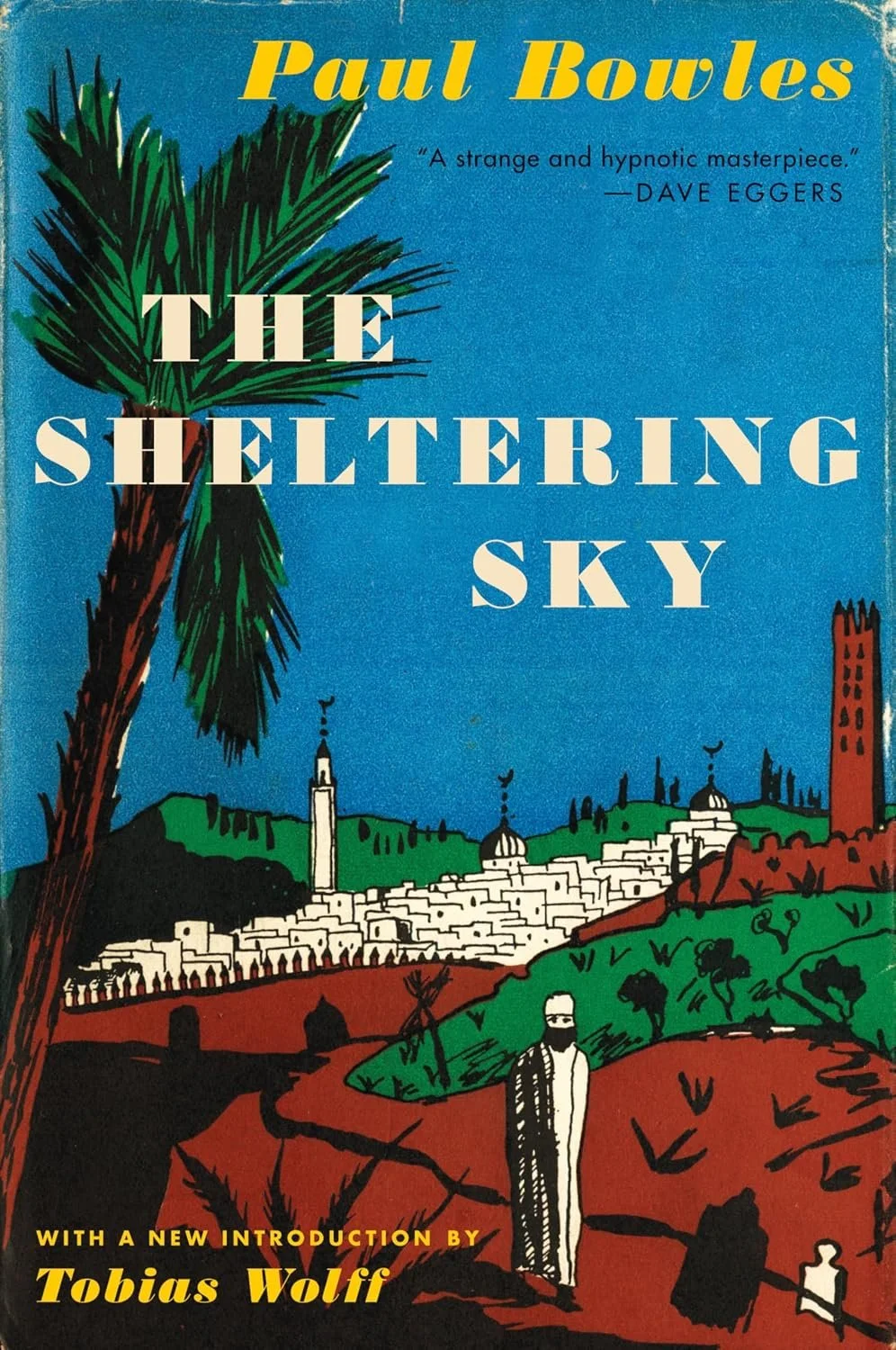
The Sheltering Sky by Paul Bowles
The Sheltering Sky is a dark, strange, and deeply atmospheric novel about moving through a place without ever fully understanding it. Its characters travel through North Africa attempting to distinguish themselves from ordinary tourists, yet the book continually reinforces how alien they remain to the world around them and how limited their understanding actually is. The plot matters, but the novel’s real power lies in its mood: fearful, disorienting, sensual, and increasingly ominous. Bowles captures both the seduction of travel and the danger of believing that physical movement grants genuine access to another culture or even to oneself. It is beautifully written and profoundly unsettling, a book less concerned with offering insight or resolution than with making the reader feel the vulnerability and estrangement of being irreducibly foreign.
History
I've always believed that almost every headline makes more sense when you understand what came before it.
History provides the context that daily news often can't. It explains why borders exist, why conflicts continue, how societies evolve, and why seemingly ordinary places carry extraordinary significance.
These are some of the history books that have most shaped the way I understand today's world.
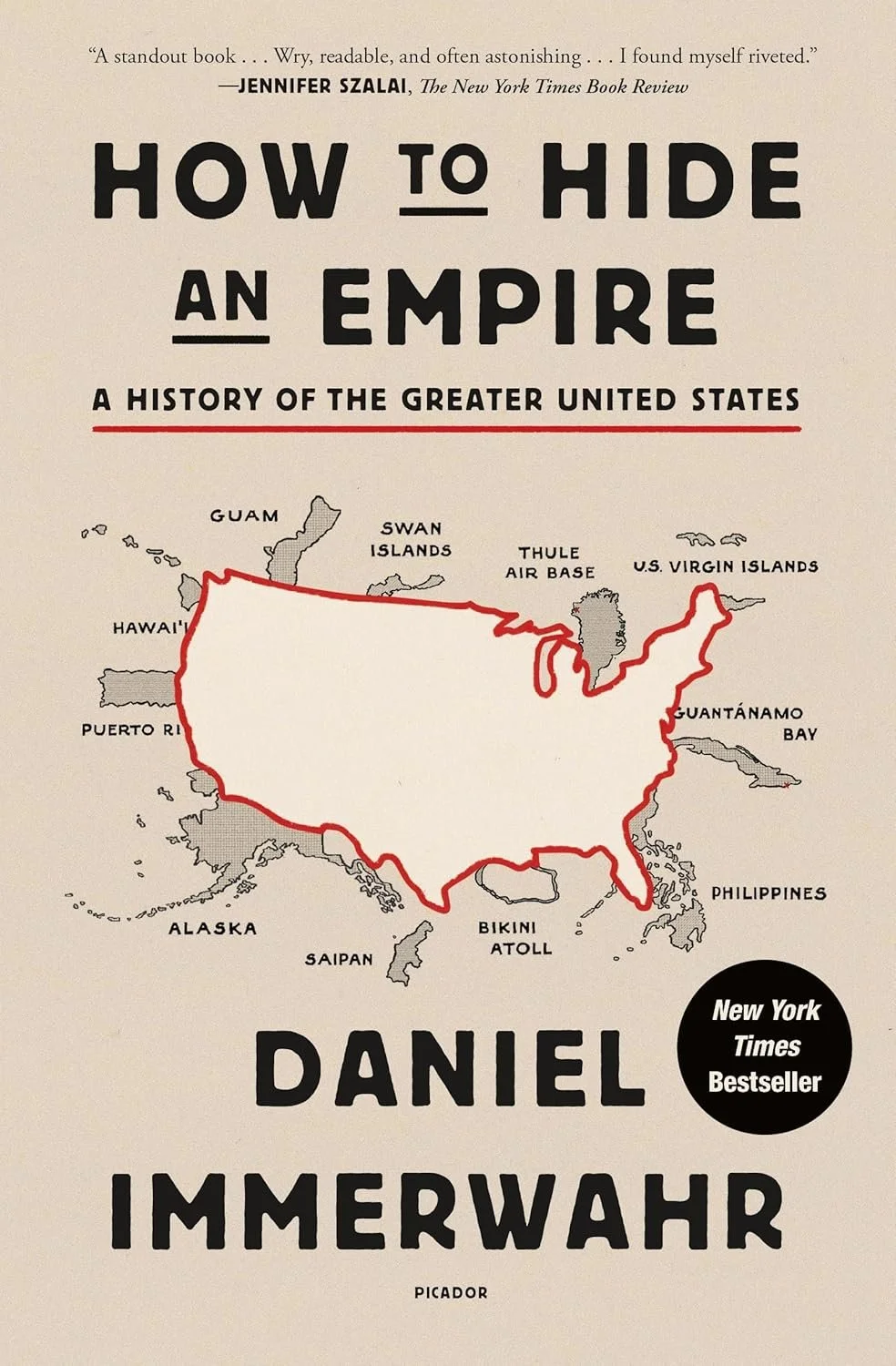
How to Hide an Empire by Daniel Immerwahr
If I could require every American high school student to read this book, I’d definitely add it to the syllabus. Daniel Immerwahr dismantles the myth that the United States somehow escaped becoming an empire by tracing the country's long and often deliberately forgotten history of territorial expansion through places like the Philippines, Puerto Rico, Guam, American Samoa, the U.S. Virgin Islands, and dozens of other possessions that remain largely absent from our national story. The book forces readers to confront the contradiction between America's self-image and the realities of imperial power, showing how these territories have shaped the country while simultaneously being excluded from the American imagination. Unsurprisingly, it is precisely the kind of history that rarely makes its way into standard curricula because it directly challenges the mythology of American exceptionalism. It is an eye-opening, meticulously researched book that permanently changed the way I think about the United States and its place in the world.
Caste: The Origins of Our Discontents by Isabel Wilkerson
Caste offers a powerful framework for understanding inequality by arguing that many of society's most enduring divisions are better understood as systems of caste than simply as prejudice or racism alone. Isabel Wilkerson compares the structures of oppression in the United States, India, and Nazi Germany, showing how social hierarchies are created, maintained, and normalized across generations. Rather than reducing history to isolated acts of discrimination, she reveals the invisible systems that determine whose lives are valued, whose voices are heard, and who is expected to remain in particular social roles. Even when readers disagree with parts of her framework, the book challenges assumptions in productive ways and encourages a deeper understanding of how inequality becomes embedded within institutions. It is thoughtful, ambitious, and one of the most important books on American society that I've read.
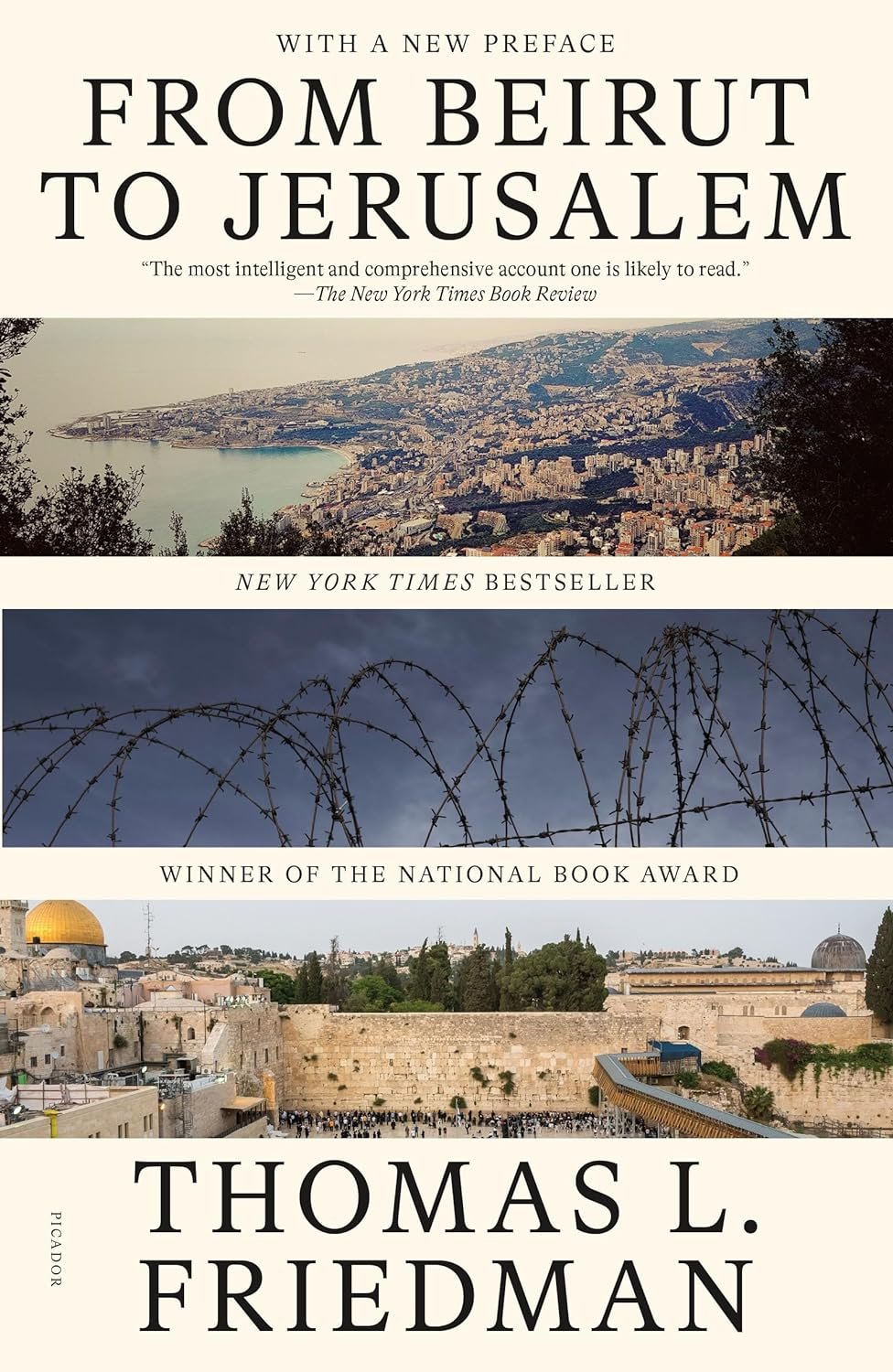
From Beirut to Jerusalem by Thomas L. Friedman
As someone who has spent years trying to better understand the Middle East, From Beirut to Jerusalem became one of those foundational books that helped me begin putting the region's history into context. Thomas Friedman writes as a journalist first, providing a vivid firsthand account of Lebanon, Israel, and the wider region during one of its most turbulent periods. Like any reporter, he brings his own perspective to the story, and I think it's important to recognize how his identity and worldview shape some of his interpretations. Even so, I found the reporting itself enormously informative and valuable, particularly as a historical snapshot of the region during the late twentieth century. It's an excellent place to begin if you're looking to understand the events that continue to shape politics in the Middle East today.
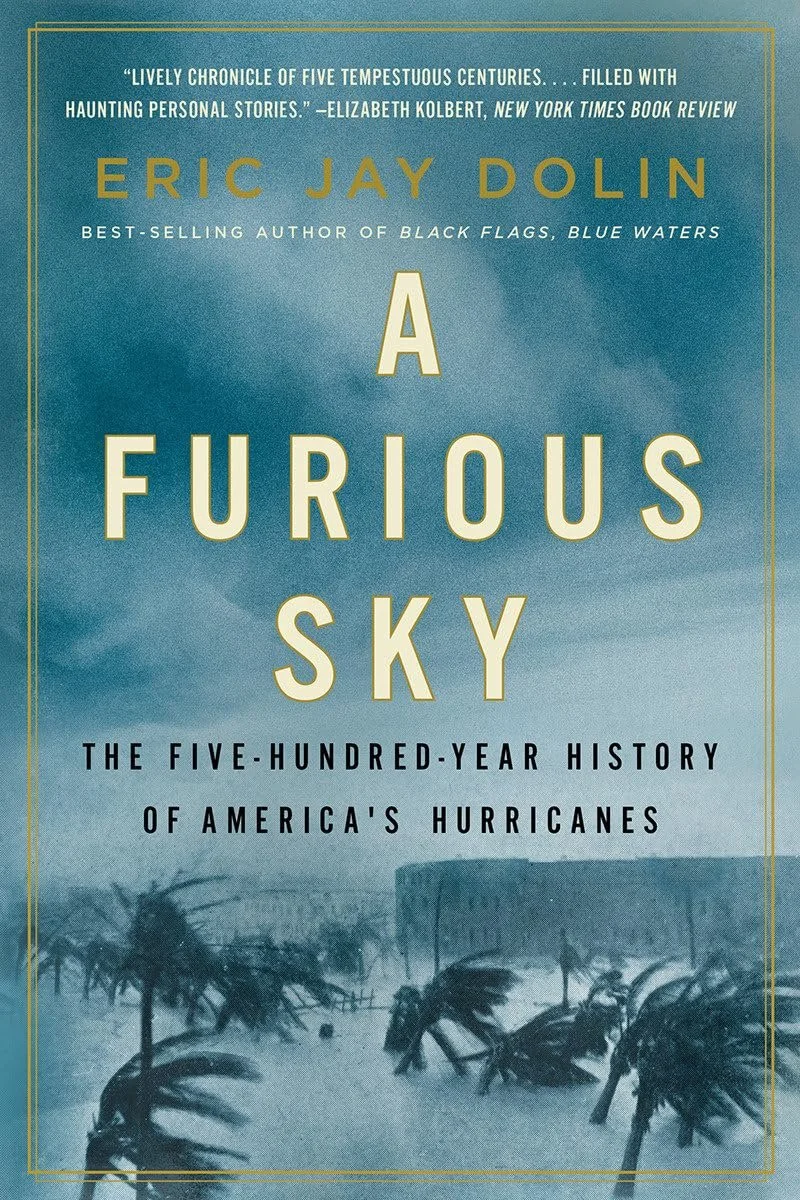
A Furious Sky: The Five-Hundred-Year History of America’s Hurricanes by Eric Jay Dolin
As someone who grew up in Florida and lived through two direct Category 5 hurricanes, I couldn't resist picking up A Furious Sky. Hurricanes have always occupied a strange place in my memory with equal parts awe, fear, and respect and this book captures that history remarkably well by weaving together the stories of some of the most destructive storms ever recorded. Beyond recounting individual disasters, Eric Jay Dolin explores how hurricanes have shaped exploration, settlement, science, commerce, and entire societies throughout history. Reading these accounts is a powerful reminder that, despite all of our technological advances, we remain fundamentally vulnerable to the forces of nature.
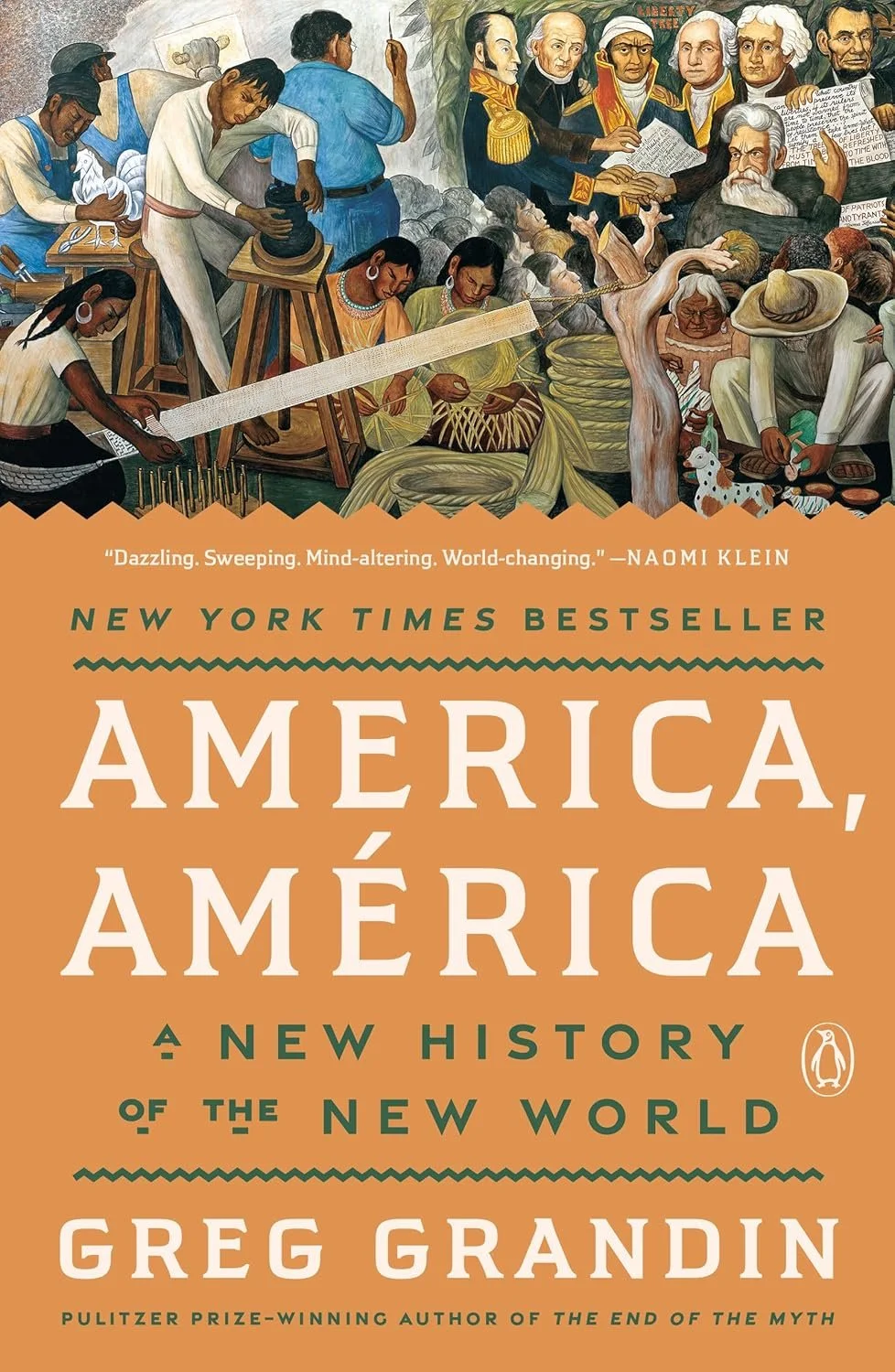
America, América: A New History of the New World by Greg Grandin
America, América fundamentally reshapes the story of the New World by refusing to tell it solely from the perspective of the United States. Instead, Greg Grandin situates North, Central, and South America within the same historical narrative, revealing how colonialism, revolution, migration, empire, and political struggle have always been interconnected across the hemisphere. It challenges many of the simplified versions of history that I suspect many Americans were taught growing up by showing just how much of the continent's story has been omitted from mainstream education. Reading history at the scale of the entire Americas rather than through national borders offers a much richer understanding of where our societies came from and why they developed so differently. It's an important corrective to the narrow lens through which American history is so often presented.
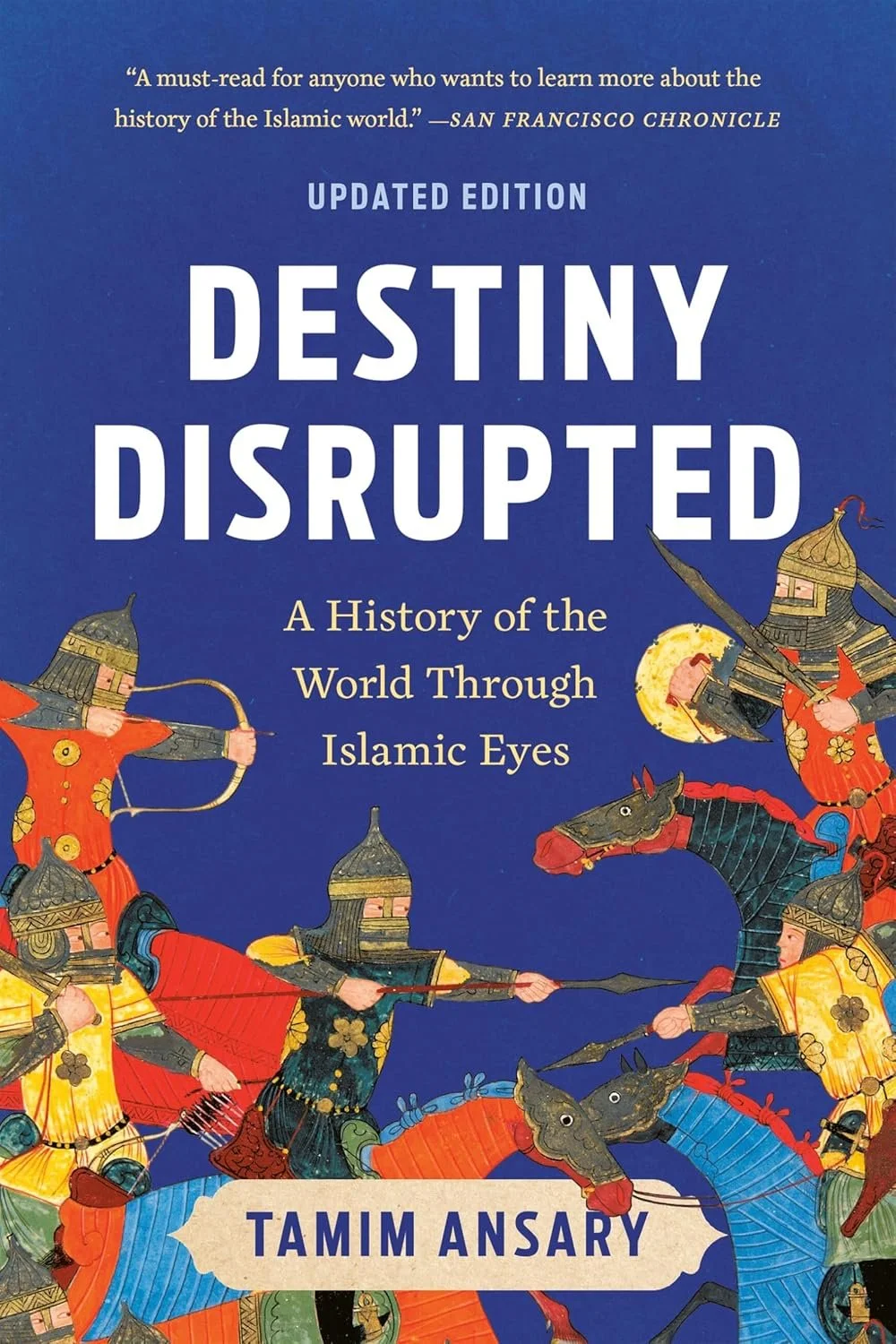
Destiny Disrupted: A History of the World Through Islamic Eyes by Tamim Ansary
One of the things I actively seek out in my reading is perspectives that challenge the worldview I grew up with, and Destiny Disrupted does exactly that. Rather than telling world history from a Western perspective, Tamim Ansary recounts history through the lens of the Islamic world, completely reframing events that many Western readers think they already understand. Suddenly, familiar milestones become peripheral while entirely different events emerge as the central turning points of history. As an American, I realized just how little I had been taught about Islamic civilization beyond brief references to conflict, despite its enormous influence on science, philosophy, trade, mathematics, literature, and politics. It is one of the most illuminating books I've read for understanding how profoundly perspective shapes our understanding of history.
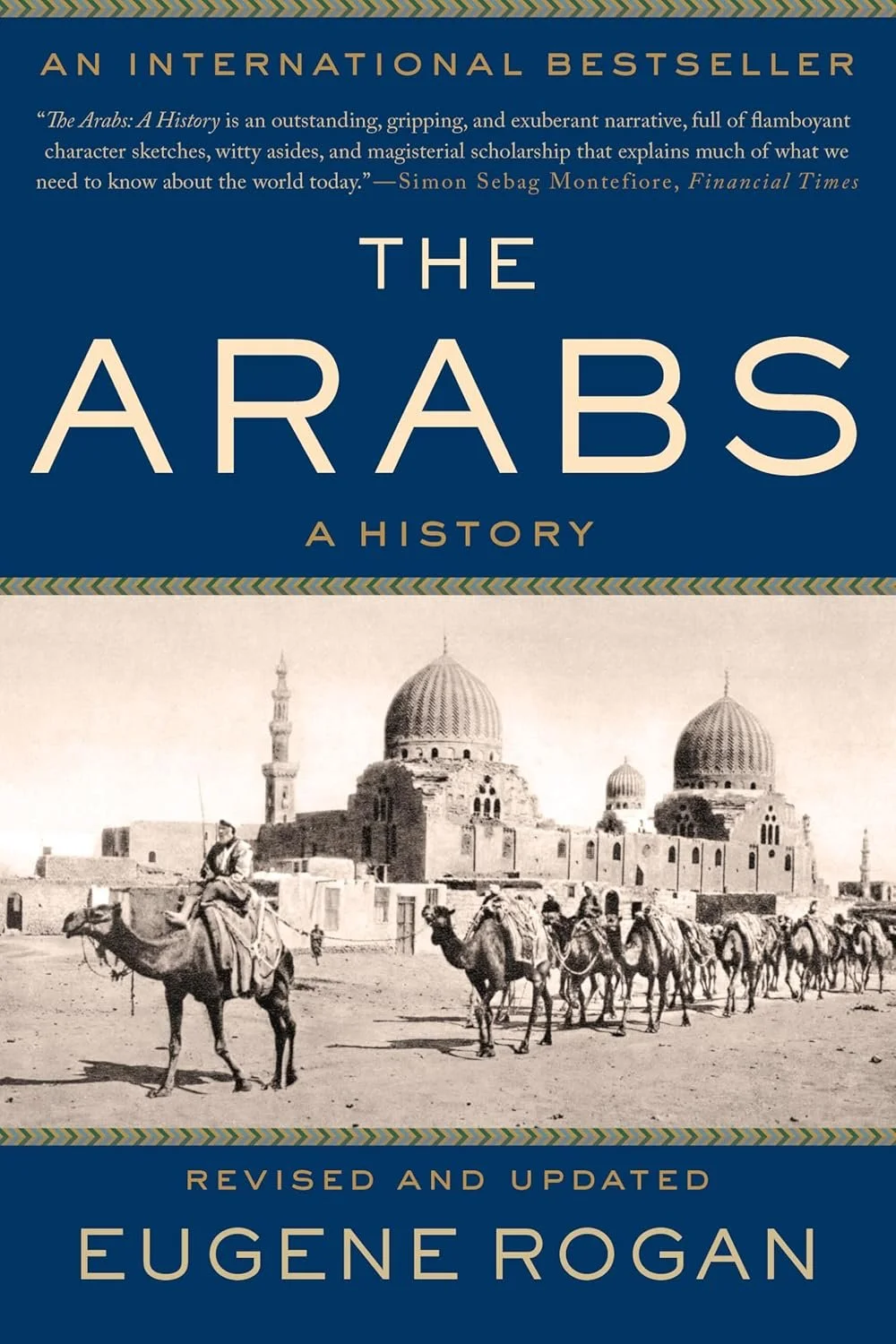
The Arabs: A History by Eugene Rogan
The Arabs provides a sweeping history of the modern Arab world that fills in many of the gaps left by a Western education. Rather than reducing the region to conflict or geopolitics, Eugene Rogan traces the political, cultural, and social transformations that have shaped Arab societies over the past several centuries. For anyone trying to understand today's Middle East, the book provides invaluable context for many of the events that continue to dominate headlines. I found it to be one of the clearest and most informative overviews available, particularly for readers who, like me, are trying to build a deeper understanding of a part of the world that is so often oversimplified.
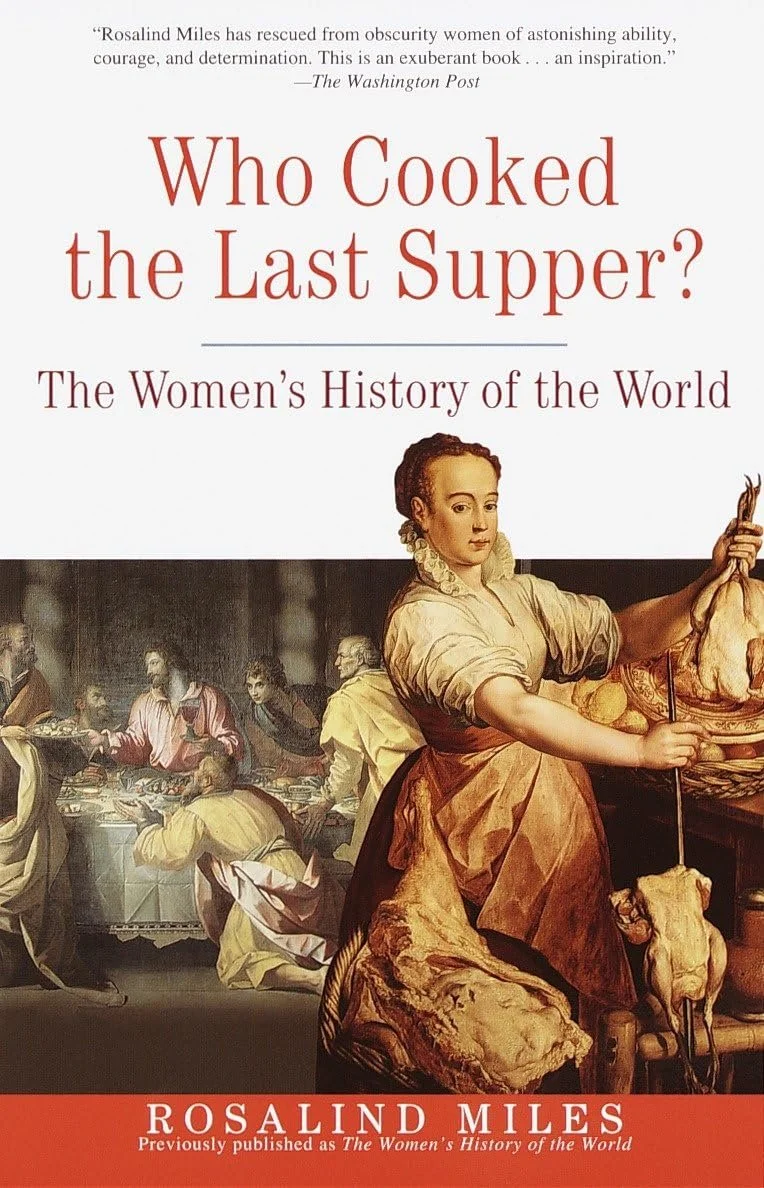
Who Cooked the Last Supper?: The Women’s History of the World by Rosalind Miles
Women's history remains astonishingly absent from the way most of us are taught the past, which is exactly why books like Who Cooked the Last Supper? are so important. Rosalind Miles reconstructs history from women's perspective, highlighting the countless contributions that have been ignored, minimized, or erased altogether. Reading it makes you realize that what is often presented as "history" is frequently only the history of powerful men, while half the population remains largely invisible. Recovering these stories isn't simply about fairness; it fundamentally changes how we understand civilization itself. The more we seek out women's history, the more difficult it becomes to pretend that their absence from historical narratives was ever justified.
The Worth of Women by Moderata Fonte
One of the things I love most about The Worth of Women is how startlingly contemporary it feels despite being written in the sixteenth century. Structured as a conversation among Venetian women, the book explores marriage, education, freedom, power, friendship, and the expectations placed upon women with a wit and sharpness that could easily have been written yesterday. Moderata Fonte is funny, sarcastic, observant, and wonderfully biting, allowing each woman to articulate different perspectives without reducing the discussion to a single argument. Originally written as something of a response to Renaissance texts describing the ideal man, the book instead asks what it actually means to be a woman in a society built by and for men. Reading it today is both exhilarating and frustrating because so many of the conversations still feel remarkably familiar.
Mythos by Stephen Fry
I've been fascinated by Greek mythology since I was a child, and Mythos remains one of my favorite modern retellings of those stories. Stephen Fry manages to preserve the grandeur, humor, absurdity, and tragedy of the original myths while making them feel approachable for contemporary readers. Rather than treating mythology as dry academic material, he reminds us that these stories were once living narratives meant to entertain, explain the world, and wrestle with timeless questions about human nature. Whether you're entirely new to Greek mythology or simply looking for a fresh way back into it, this is an engaging and wonderfully accessible place to begin.
These Truths: A History of the United States by Jill Lepore
These Truths is one of the most comprehensive modern histories of the United States that I've encountered, tracing the country's development through the competing ideals of political equality, natural rights, and popular sovereignty. Jill Lepore refuses to separate America's achievements from its contradictions, showing how democracy, slavery, expansion, immigration, capitalism, and technology have continually shaped one another throughout the nation's history. Rather than presenting a simplified patriotic narrative or an equally simplified condemnation, she embraces the complexity of the American experiment in all of its successes and failures. The result is a history that encourages readers to grapple honestly with the country's past instead of retreating into comforting myths. It is an ambitious, deeply researched book that I think belongs on every serious American history reading list.
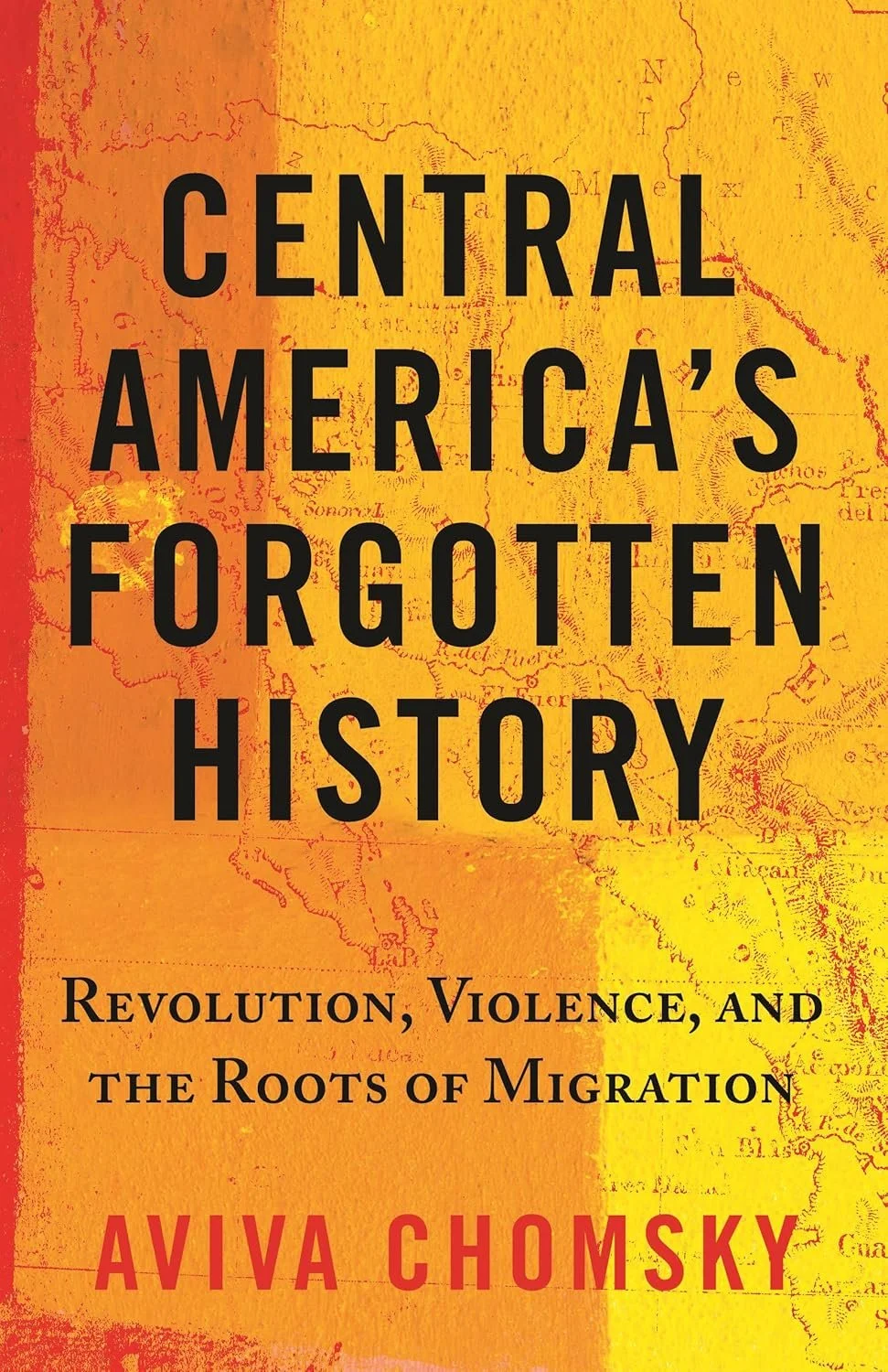
Central America’s Forgotten History: Revolution, Violence, and the Roots of Migration by Aviva Chomsky
One of the recurring themes in my reading is deliberately seeking out histories that most of us were never taught, and Central America's Forgotten History fits that category perfectly. Aviva Chomsky examines the political, economic, and colonial forces that have shaped Central America while explaining why so many of today's challenges, from migration to inequality and political instability, cannot be understood without that historical context. Too often, the region appears in American news only when crises emerge, stripped of the history that produced them. Understanding the places we travel means understanding how they became what they are today, and this book provides exactly that foundation. It is concise, accessible, and an essential introduction to a region whose history deserves far more attention than it receives.

The Island at the Center of the World by Russell Shorto
As someone who has spent years living in and around New York, I absolutely loved The Island at the Center of the World. Russell Shorto reconstructs Manhattan's Dutch beginnings, revealing just how different New York might have been had its earliest influences been forgotten entirely. The book transforms familiar streets and neighborhoods into places layered with centuries of overlooked history, making the city feel simultaneously older and stranger than I had ever imagined. It completely changed the way I walk through Manhattan because I now find myself constantly looking for traces of the Dutch city that once stood there. If you love New York, history, or simply discovering the hidden stories beneath familiar places, it's a fascinating read.
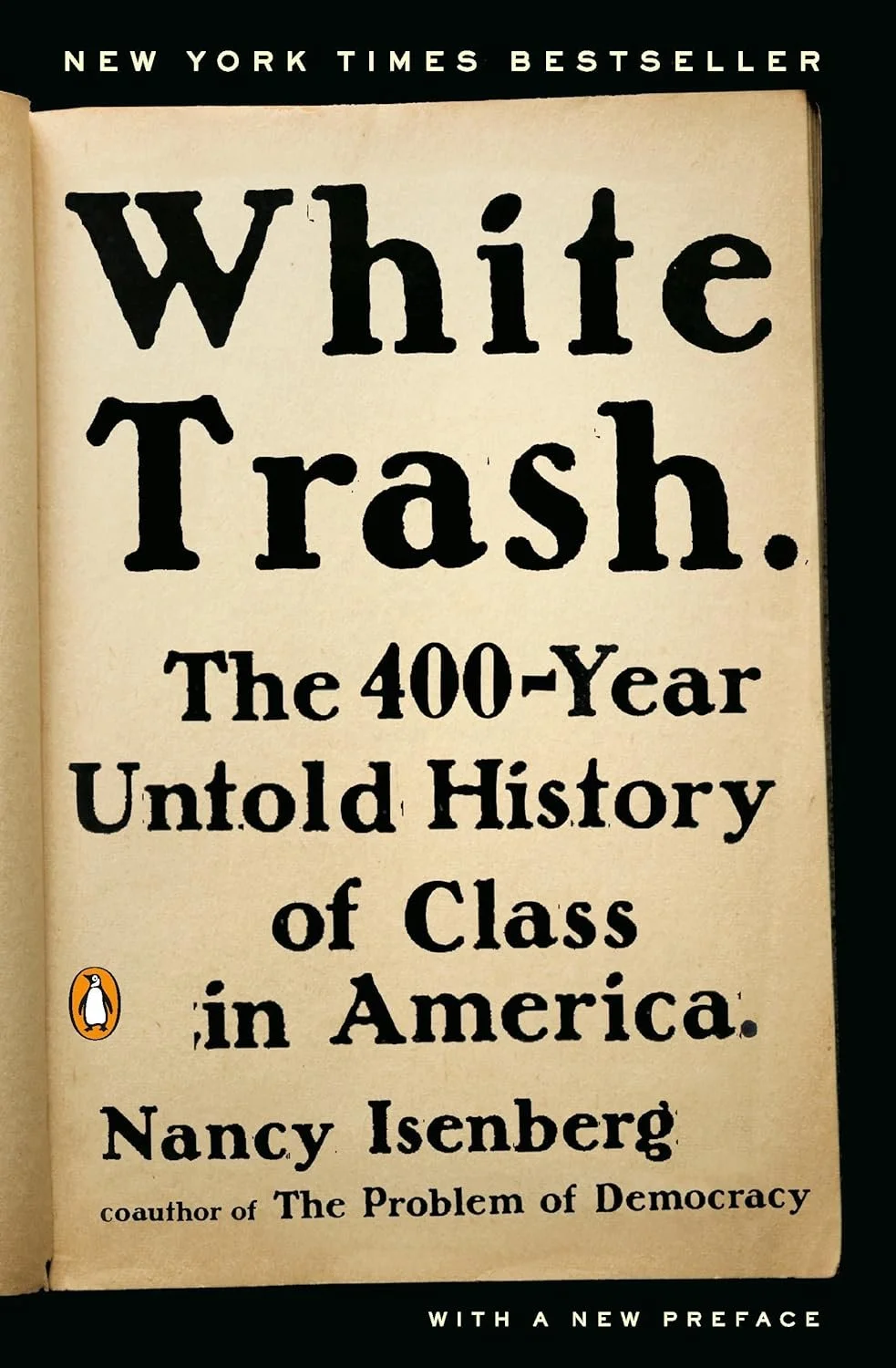
White Trash: The 400-Year Untold History of Class in America by Nancy Isenberg
White Trash challenges one of the most persistent myths in American history: that white Americans have always existed as a single, unified social class. Nancy Isenberg demonstrates that class divisions have been central to the American project from the beginning, with poor white communities consistently marginalized, exploited, and stigmatized despite the privileges associated with race. The book complicates simplistic narratives about American identity by showing how class, power, and wealth have always shaped opportunity just as profoundly as race. That doesn't diminish the reality of racial injustice; rather, it reveals how economic inequality has also been deliberately woven into the country's social fabric. I think it's an essential book for understanding why so many conversations about class in America remain incomplete.
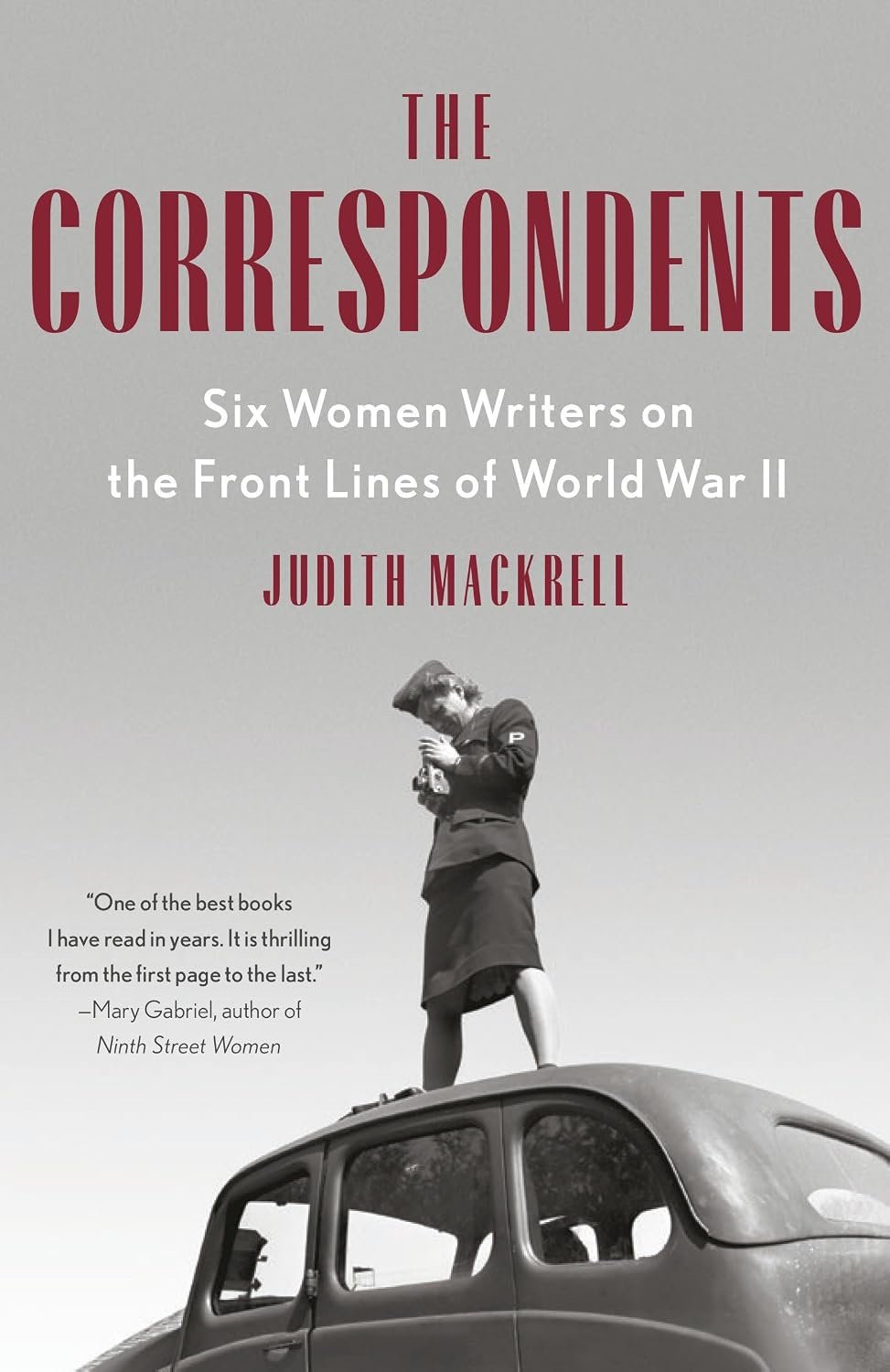
The Correspondents: Six Women Writers on the Front Lines of World War II by Judith Mackrell
I read The Correspondents soon after studying journalism at Columbia, and it immediately became a favorite book about the profession. Judith Mackrell follows six remarkable women who reported from the front lines of the Second World War, documenting not only the conflict itself but also the barriers they faced within an industry that often refused to take them seriously. Beyond being an engaging group biography, the book is a reminder that journalism has always depended on people willing to go where others could not or would not in order to bear witness. As a female journalist myself, I found their determination, courage, and commitment to truthful reporting incredibly inspiring. It's a fascinating portrait of both the women who changed war reporting and the extraordinary historical moment in which they worked.
Philosophy
Philosophy can sometimes feel abstract or intimidating, but at its best, it helps us ask clearer questions about how we live, what we value, and what gives life meaning.
The books in this section explore everything from ancient ideas about resilience and virtue to modern reflections on identity, freedom, love, grief, and purpose. I return to them whenever I need perspective, especially during periods of uncertainty or change.
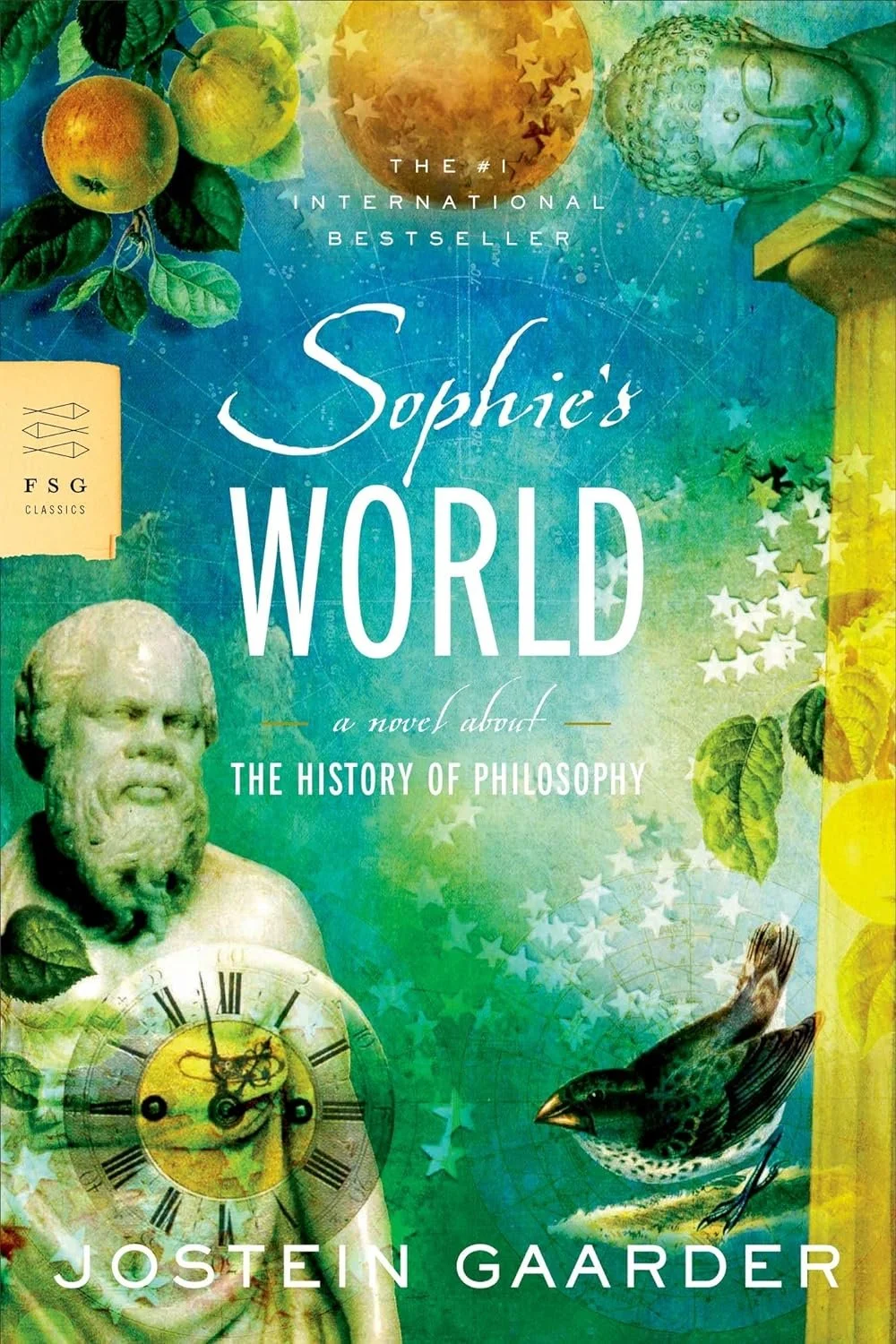
Sophie’s World by Jostein Gaarder
I had Sophie's World recommended to me for years before I finally picked it up, and I honestly wish I had read it sooner because it completely blew my mind. Although it's often described as an introduction to the history of philosophy, it's so much more ambitious than that. Gaarder somehow manages to weave two thousand years of philosophical thought into the story of a teenage girl while gradually transforming the novel into something far stranger, more self-aware, and wonderfully meta. About halfway through, the book takes a turn that completely reframes everything you've read up to that point, forcing you to question not only the story itself but also your own assumptions about reality, free will, and existence. It's one of those rare books that genuinely changes the way you think, and I recommend it to almost everyone because I can't imagine finishing it without looking at the world at least a little differently.
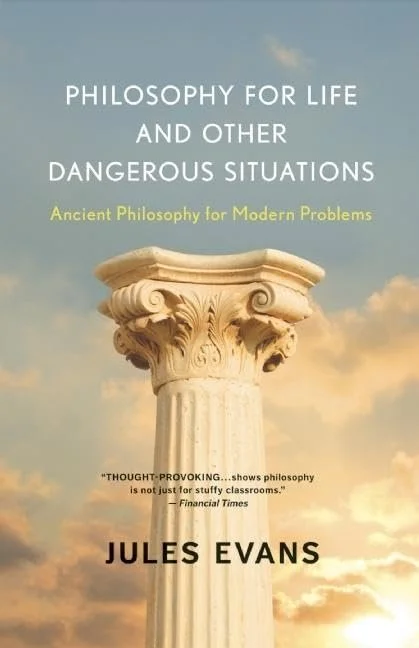
Philosophy for Life and Other Dangerous Situations: Ancient Philosophy for Modern Problems by Jules Evans
One of the things I appreciate most about Philosophy for Life and Other Dangerous Situations is that it treats philosophy as something practical rather than abstract. Jules Evans explores the ancient philosophical schools of thought not as historical curiosities, but as tools for navigating grief, anxiety, uncertainty, and everyday life. Rather than presenting philosophy as a collection of definitive answers, he shows how these ideas have been continually tested, adapted, and challenged over thousands of years. It's an accessible introduction that makes philosophy feel surprisingly relevant to modern life and serves as a reminder that many of the struggles we think of as uniquely contemporary have occupied human beings for millennia.
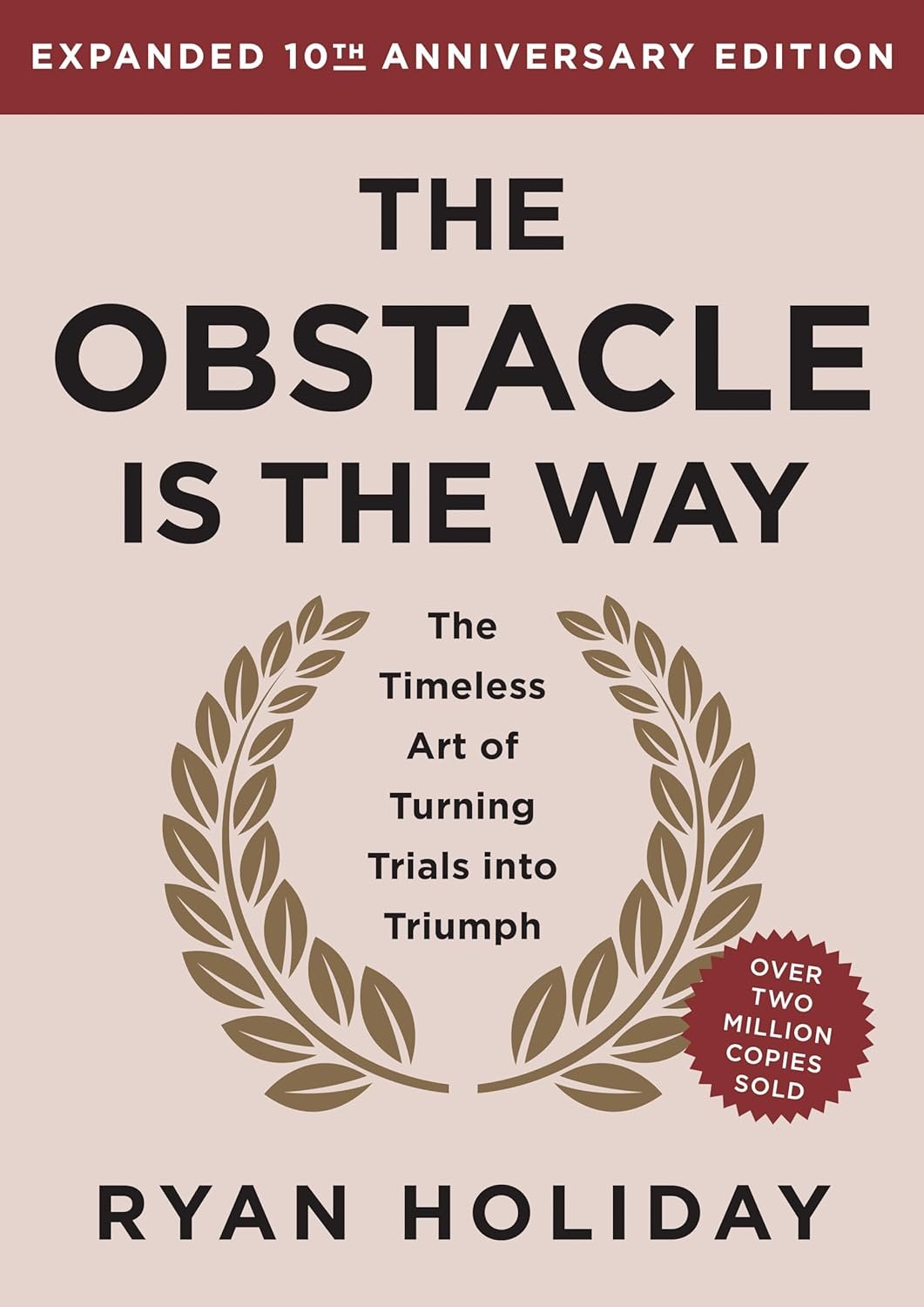
The Obstacle Is the Way: The Timeless Art of Turning Trials into Triumph by Ryan Holiday
There are countless books built around Stoic philosophy, but The Obstacle Is the Way remains one of the clearest introductions to its central ideas. Ryan Holiday argues that the very challenges we spend so much energy trying to avoid often become the experiences that shape us most profoundly. Rather than encouraging blind optimism, the book advocates resilience, perspective, and the discipline of focusing only on what lies within our control. While some self-help books can feel repetitive or overly simplistic, this one succeeds because its ideas are rooted in a philosophical tradition that has endured for over two thousand years. It's a book I find myself mentally returning to whenever life doesn't unfold according to plan.
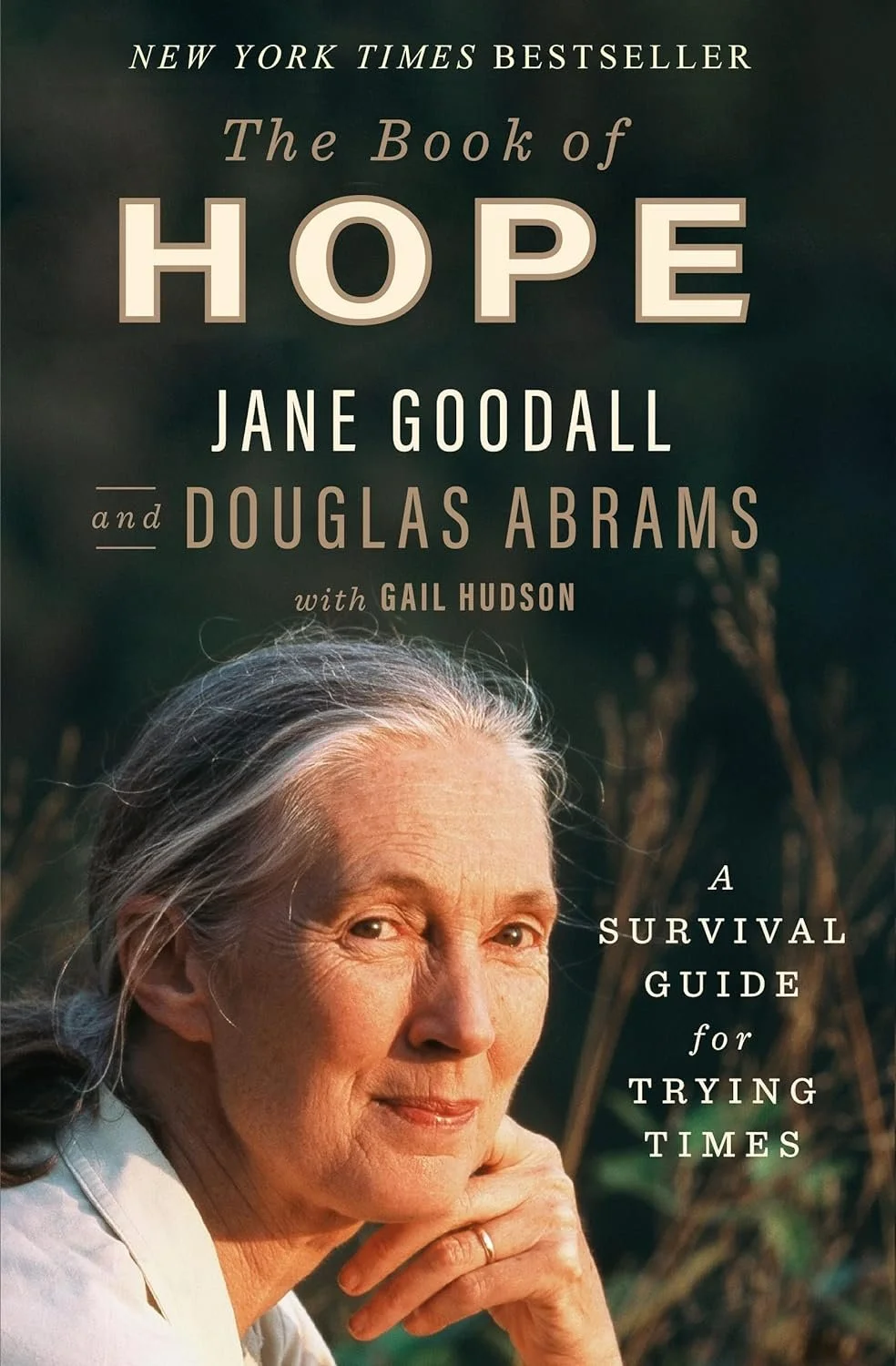
The Book of Hope: A Survival Guide for Trying Times by Jane Goodall and Douglas Abrams
Hope can sometimes feel naïve in the face of climate change, political instability, and so many other global crises, which is precisely why The Book of Hope feels so necessary. Jane Goodall argues that hope is not passive optimism but an active decision to continue working toward a better future even when outcomes remain uncertain. Drawing on decades of conservation work, she acknowledges the scale of the challenges we face without ever descending into despair. It's a thoughtful reminder that cynicism rarely changes the world, whereas hope can become a form of action in itself. I finished the book feeling less overwhelmed and more convinced that meaningful change begins by refusing to accept that change is impossible.
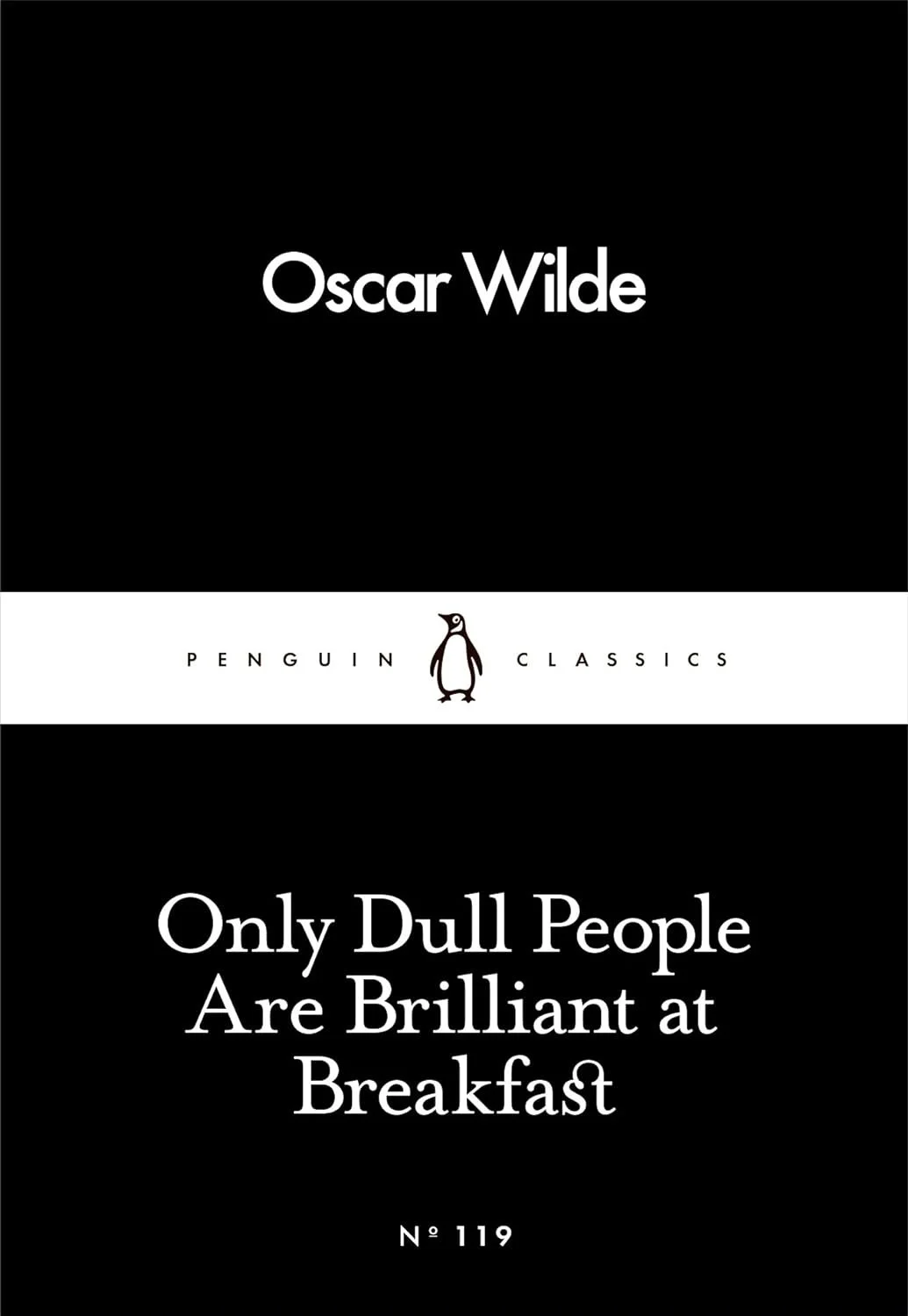
Only Dull People Are Brilliant at Breakfast by Oscar Wilde
Oscar Wilde had an extraordinary gift for observing human contradiction, and Only Dull People Are Brilliant at Breakfastis filled with the kind of wit that only he could produce. The book is essentially a collection of his observations, conversations, epigrams, and reflections on society, art, love, vanity, and the absurdity of being human. Unsurprisingly, some of the social commentary belongs very much to the Victorian era, but so much of it still feels remarkably fresh because people, it turns out, haven't changed nearly as much as we like to believe. Wilde has this wonderfully dry, theatrical way of exposing hypocrisy while making you laugh at the same time. It's a small book, but one that I continually found myself underlining because nearly every few pages contained another line I wished I had thought to write myself.
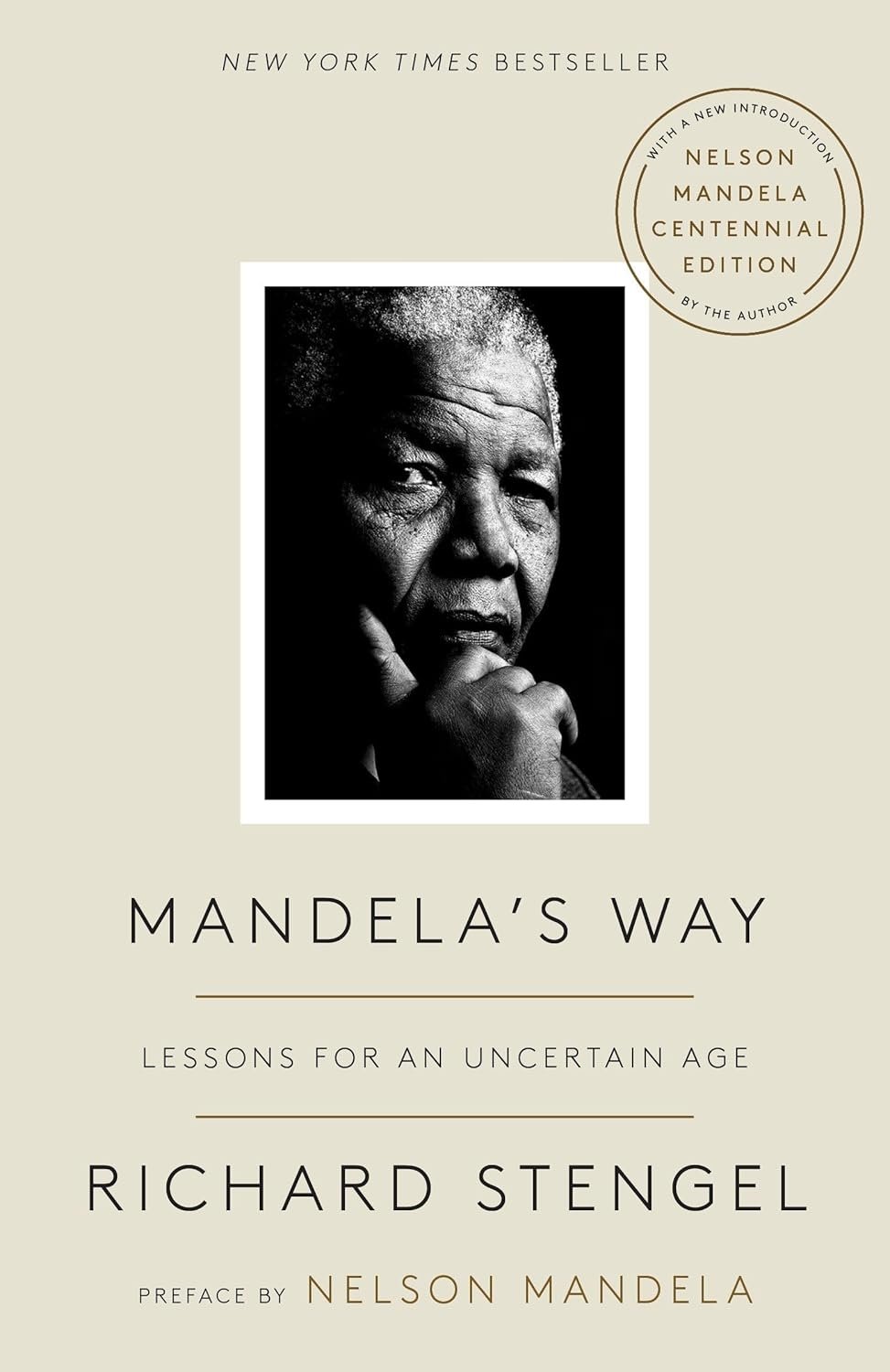
Mandela’s Way: Lessons for an Uncertain Age by Richard Stengel
There are many books about Nelson Mandela, but what I appreciate about Mandela's Way is its focus on the principles that guided his leadership rather than simply recounting his life. Richard Stengel distills lessons from Mandela's decades of political struggle, imprisonment, and reconciliation into reflections on courage, humility, patience, forgiveness, and moral conviction. What emerges is not an image of a flawless hero but of someone who continually chose discipline over resentment and long-term vision over immediate revenge. In a political climate that often rewards outrage above all else, Mandela's example feels remarkably relevant. It is an inspiring book not because it offers easy answers, but because it demonstrates what principled leadership can actually look like.
Sum: Forty Tales from the Afterlives by David Eagleman
Sum is unlike almost anything else I've read. Through dozens of short imagined versions of the afterlife, David Eagleman explores consciousness, memory, identity, time, morality, and what it actually means to be human. Each chapter functions almost like a philosophical thought experiment, quietly challenging assumptions that most of us rarely stop to examine. Some are funny, others melancholy, and many linger long after you've finished reading because they reveal something unexpected about the lives we're already living. It's one of those rare books that continually makes you pause—not because it's difficult, but because each idea opens an entirely new way of thinking.
The Four Agreements: A Practical Guide to Personal Freedom by Don Miguel Ruiz
Very few books have genuinely changed the way I move through everyday life, but The Four Agreements is absolutely one of them. The ideas themselves are deceptively simple, yet I've found that they contain an incredible depth that continues to reveal itself every time I return to the book. Since first reading it, I've noticed versions of these same principles appearing throughout philosophy, psychology, spirituality, and even creativity, but I don't think I've encountered another book that distills them with such clarity and accessibility. I also happened to discover it at exactly the right moment in my life, when I was especially receptive to its lessons, and I've reread it many times since. Every visit uncovers something new, making it less like a self-help book and more like a quiet reminder of the kind of person I hope to continue becoming.
How to Be Perfect: The Correct Answer to Every Moral Question by Michael Schur
If you've watched The Good Place, you'll already have some sense of Michael Schur's remarkable ability to make philosophy genuinely funny. How to Be Perfect expands on many of the ethical questions explored in the show, introducing readers to centuries of philosophical thought while asking one deceptively simple question: what does it actually mean to be a good person? Schur manages to explain enormously complex ideas with humor, humility, and clarity, making existential questions feel surprisingly approachable rather than intimidating. It's one of those books that reminds you philosophy isn't really about abstract theories; it's about the choices we make every day, however imperfectly. Equal parts hilarious and deeply thoughtful, it's one of the most enjoyable introductions to ethics I've ever read.
Journalism & Storytelling
Journalism is far more than reporting facts. At its best, it's about curiosity, empathy, careful observation, and helping people understand lives different from their own.
Many of the books in this section taught me not only how to report more thoughtfully, but also how to notice the details that often reveal a much larger story. Whether you're an aspiring journalist or simply someone who enjoys narrative nonfiction, these are the books to pique your interest.
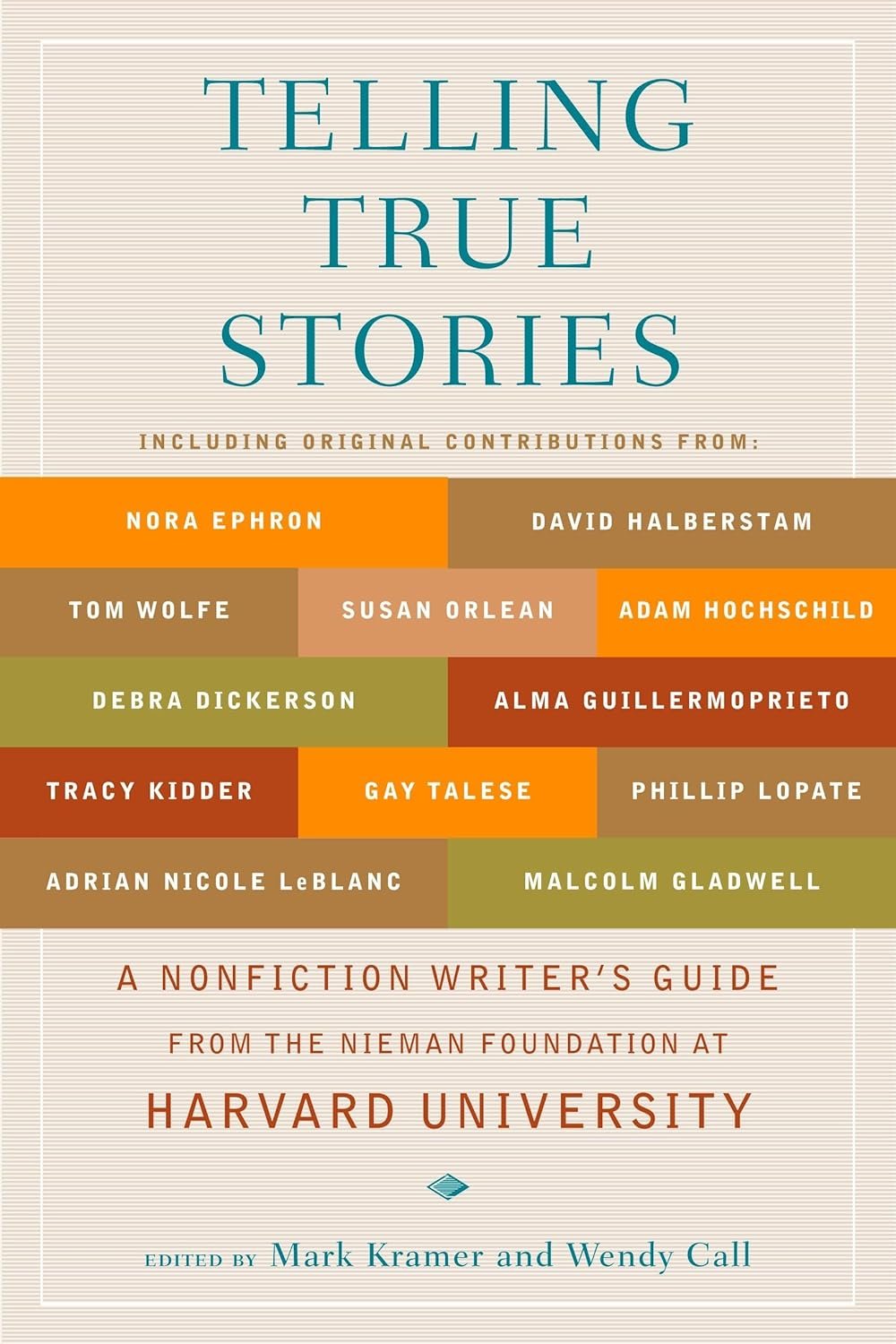
Telling True Stories: A Nonfiction Writers’ Guide from the Nieman Foundation at Harvard University by Mark Kramer and Wendy Call
This was one of the first books I was assigned at Columbia Journalism School, and it remains one of the most valuable collections on writing that I've read. Bringing together essays from some of the finest narrative journalists working today, Telling True Stories explores not just how to report accurately, but how to observe carefully, earn trust, structure stories, interview with empathy, and write with honesty. What I appreciate most is that the contributors never treat journalism as merely the collection of facts; they understand that facts only become meaningful when they're placed within stories that help readers understand the lives of other people. Even if you have no interest in journalism specifically, I think anyone interested in nonfiction, or even in becoming a better writer, would find something worthwhile here. It's one of those books I expect I'll continue returning to throughout my career.
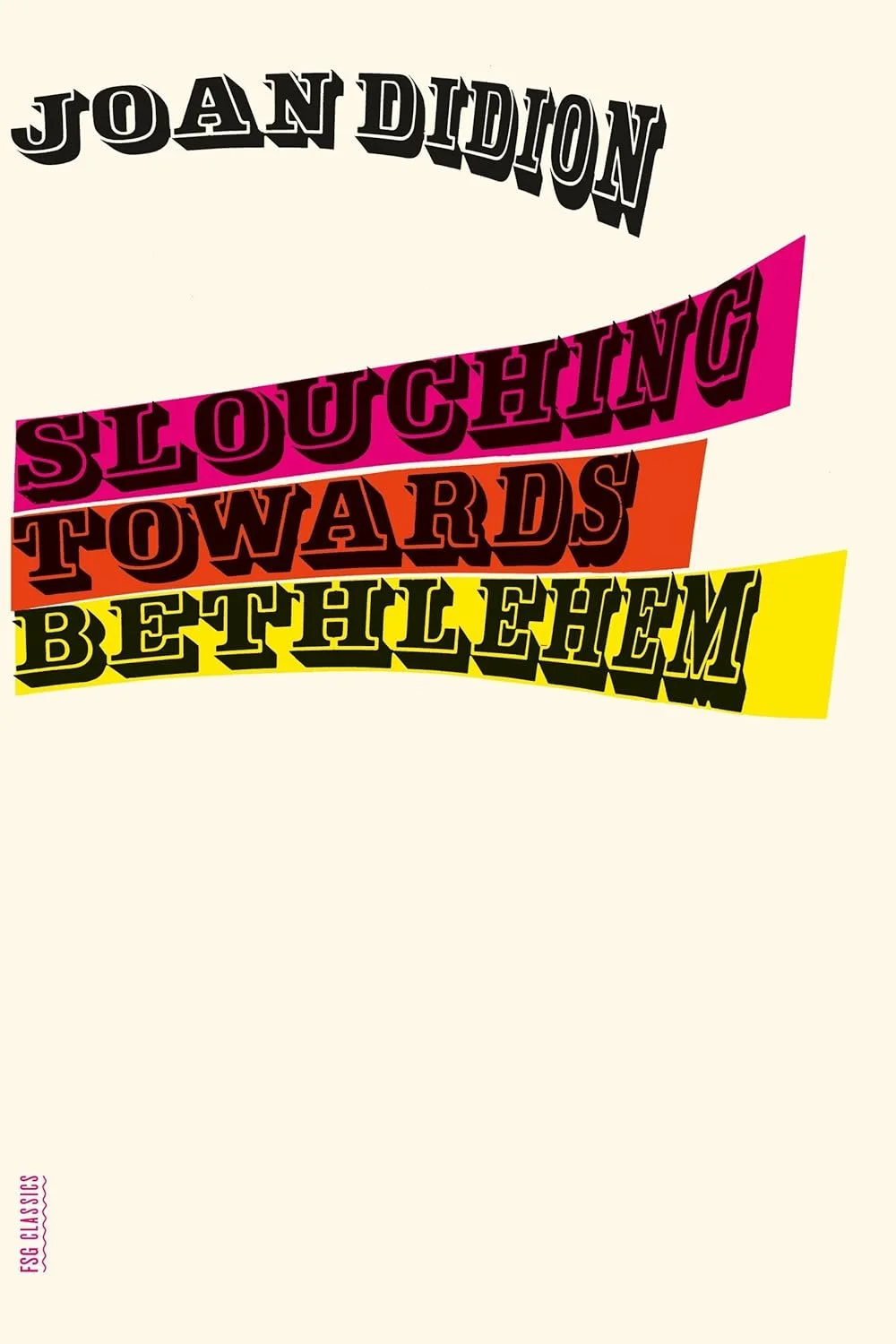
Slouching Towards Bethlehem by Joan Didion
Joan Didion remains one of the greatest essayists of the twentieth century and Slouching Towards Bethlehem demonstrates exactly why. Her writing is remarkably restrained, allowing scenes and observations to accumulate until they reveal something much larger about America, culture, identity, and the quiet unraveling of social norms during the 1960s. Rather than announcing conclusions, Didion trusts readers enough to arrive at them themselves, a quality I admire enormously as both a writer and journalist. Her prose is deceptively simple yet extraordinarily precise, capturing emotional truths without ever becoming sentimental. It is a masterclass in observation and one of those books that makes me want to become a better writer.
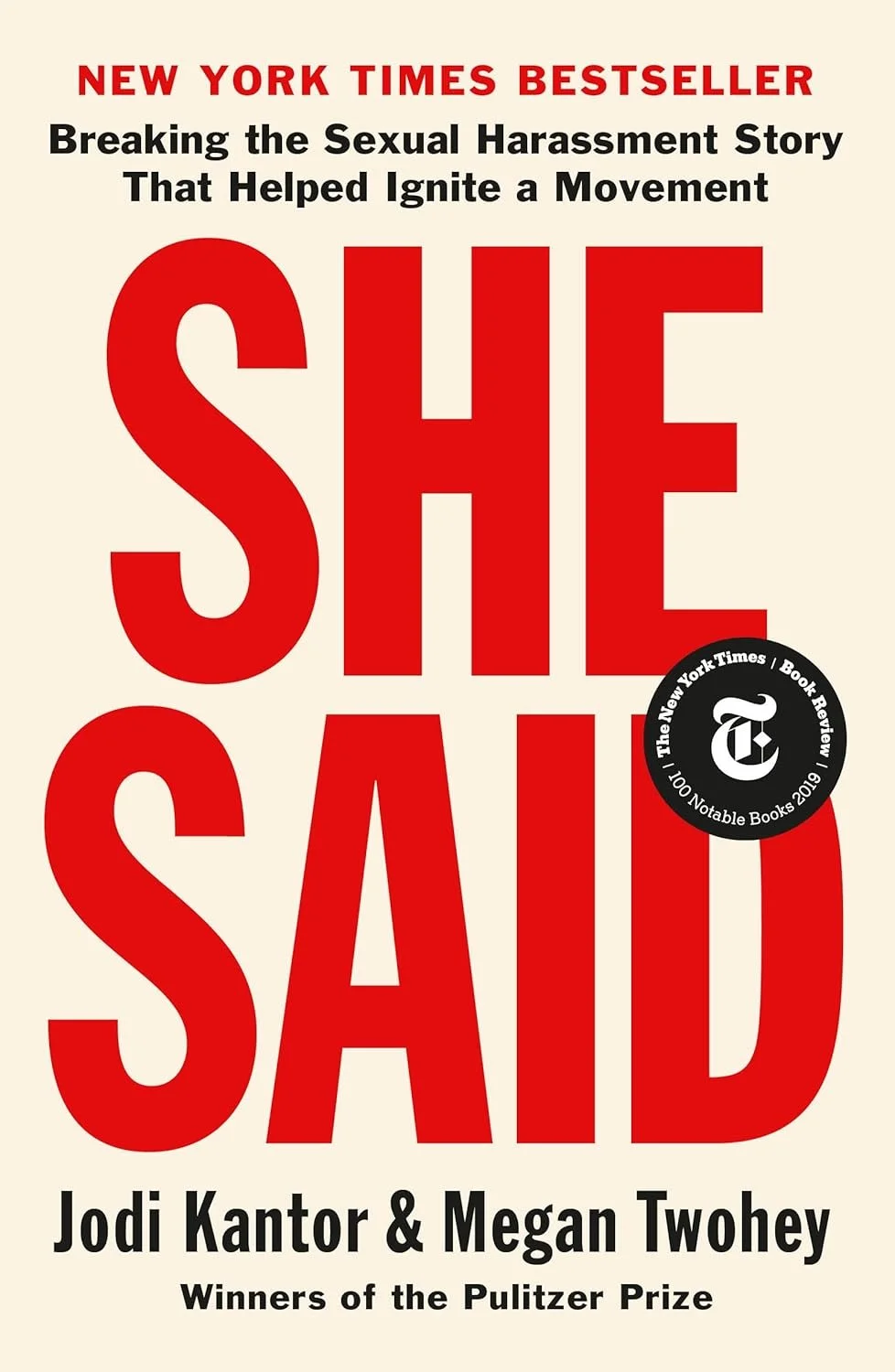
She Said by Jodi Kantor and Megan Twohey
She Said is much more than the story of Harvey Weinstein's downfall. It's a remarkable window into how investigative journalism actually works. Jodi Kantor and Megan Twohey reveal the months of patient reporting, careful verification, relationship-building, legal obstacles, and emotional labor required before a single article could ever be published. In an era when news often appears instantaneous, the book reminds readers that truly important journalism is usually painstakingly slow, built piece by piece through persistence and extraordinary attention to detail. As a journalist, I found it deeply inspiring because it illustrates how meaningful reporting depends not only on uncovering facts but also on earning the trust of people whose stories have often been ignored or silenced. It's an outstanding account of investigative reporting at its very best, and a powerful reminder of why independent journalism continues to matter so profoundly.
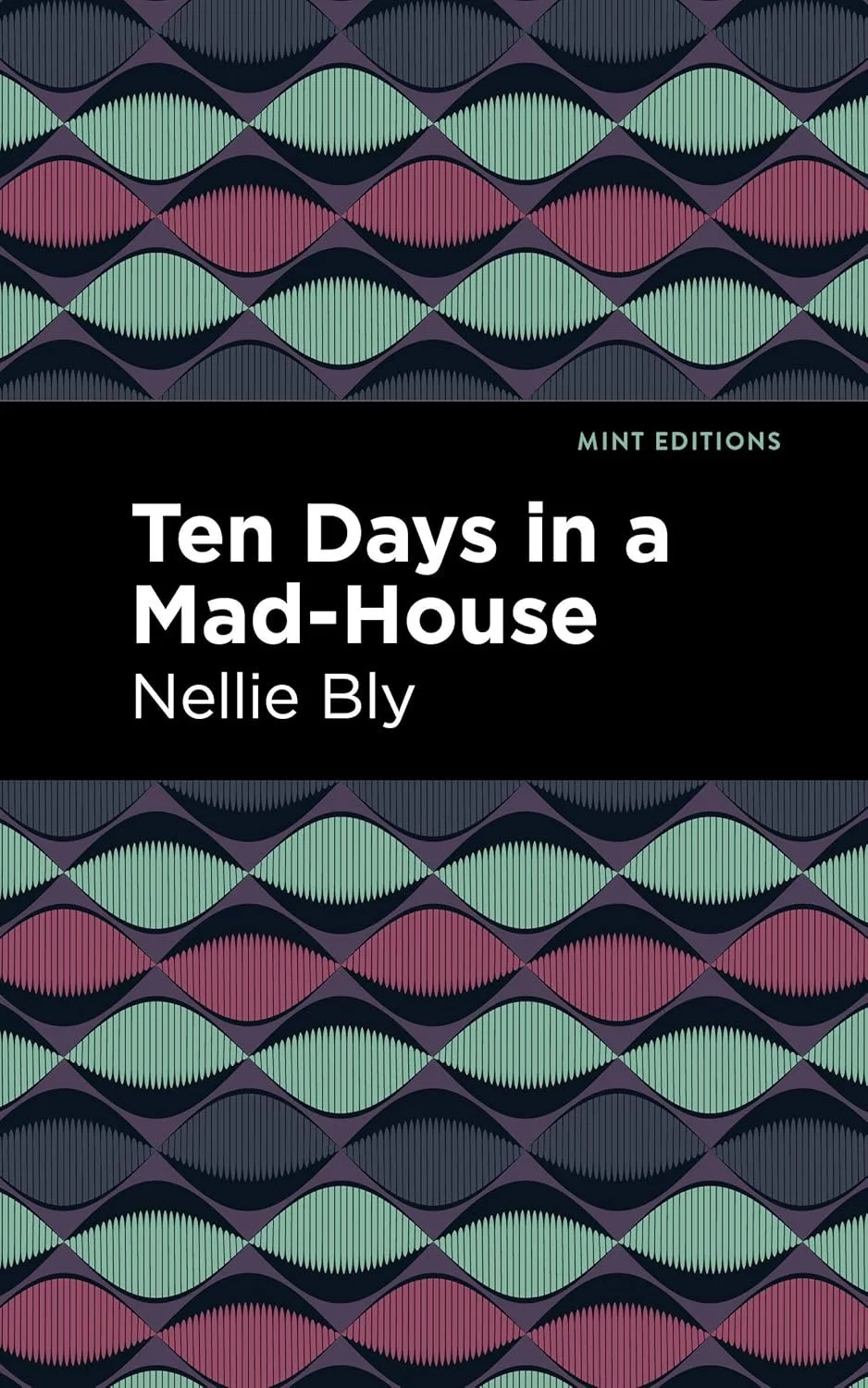
Ten Days in a Mad House by Nellie Bly
Nellie Bly's decision to feign mental illness in order to investigate conditions inside Blackwell's Island asylum remains one of the most extraordinary feats of journalism ever undertaken. Reading Ten Days in a Mad-House, it's remarkable how modern her reporting feels: immersive, fearless, deeply humane, and motivated by a desire to expose injustice rather than simply document it. Bly reminds us that journalism at its best has always been about bearing witness where others cannot or will not go. As a journalist, I found her work both inspiring and humbling. It is essential reading for anyone interested in investigative reporting or the history of women in journalism.
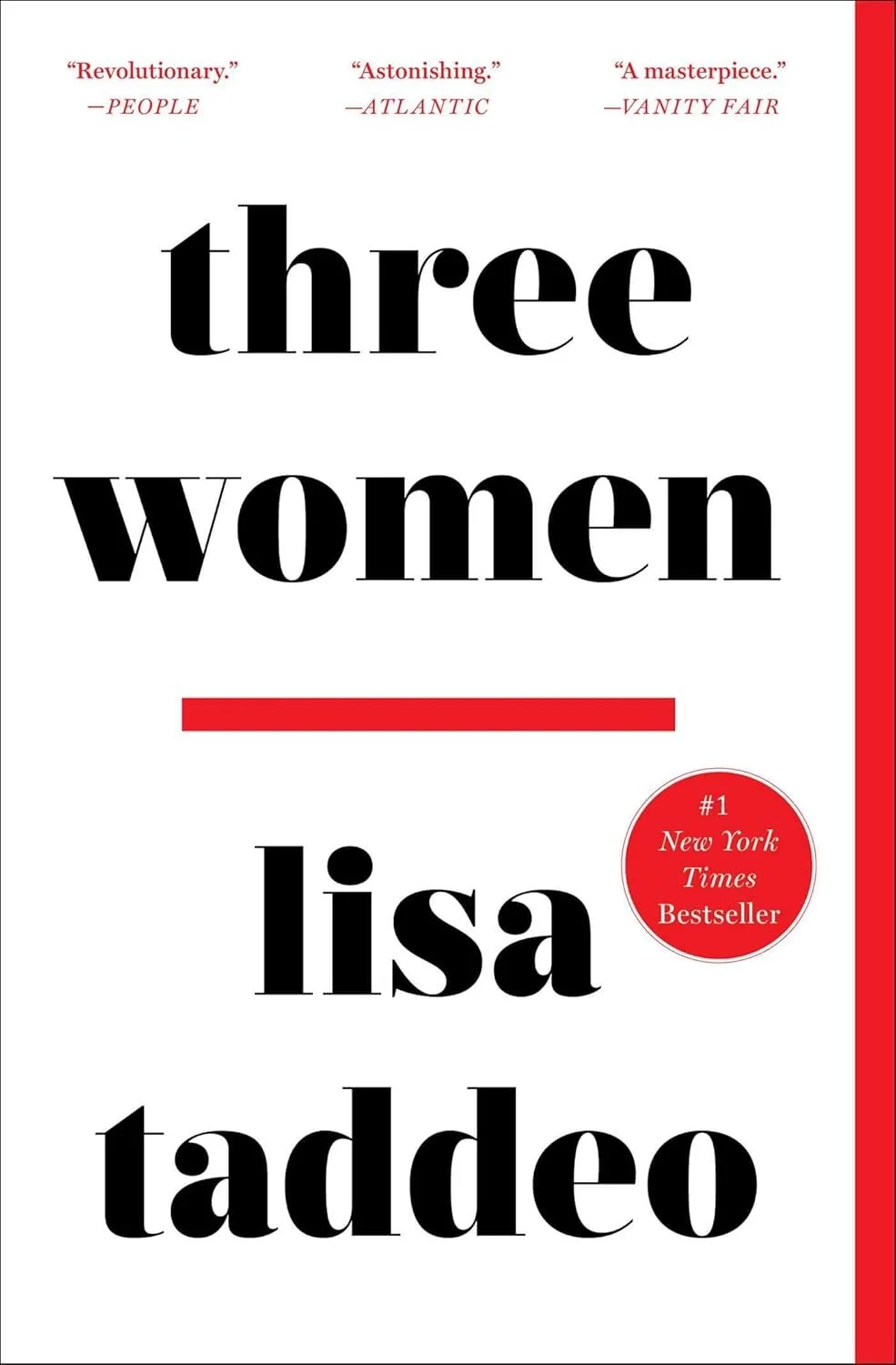
Three Women by Lisa Taddeo
Three Women is one of the most intimate works of narrative nonfiction I've read. Over the course of nearly a decade, Lisa Taddeo immersed herself in the lives of three women, producing a portrait of female desire that feels astonishingly honest, complicated, and emotionally nuanced. What impressed me most was not simply the subject matter but the extraordinary reporting behind it, the patience, trust, and empathy required to tell these stories with such depth. The book refuses easy moral judgments, instead asking readers to confront how power, shame, longing, and cultural expectations shape women's inner lives. It's an unforgettable example of what long-form journalism can achieve.
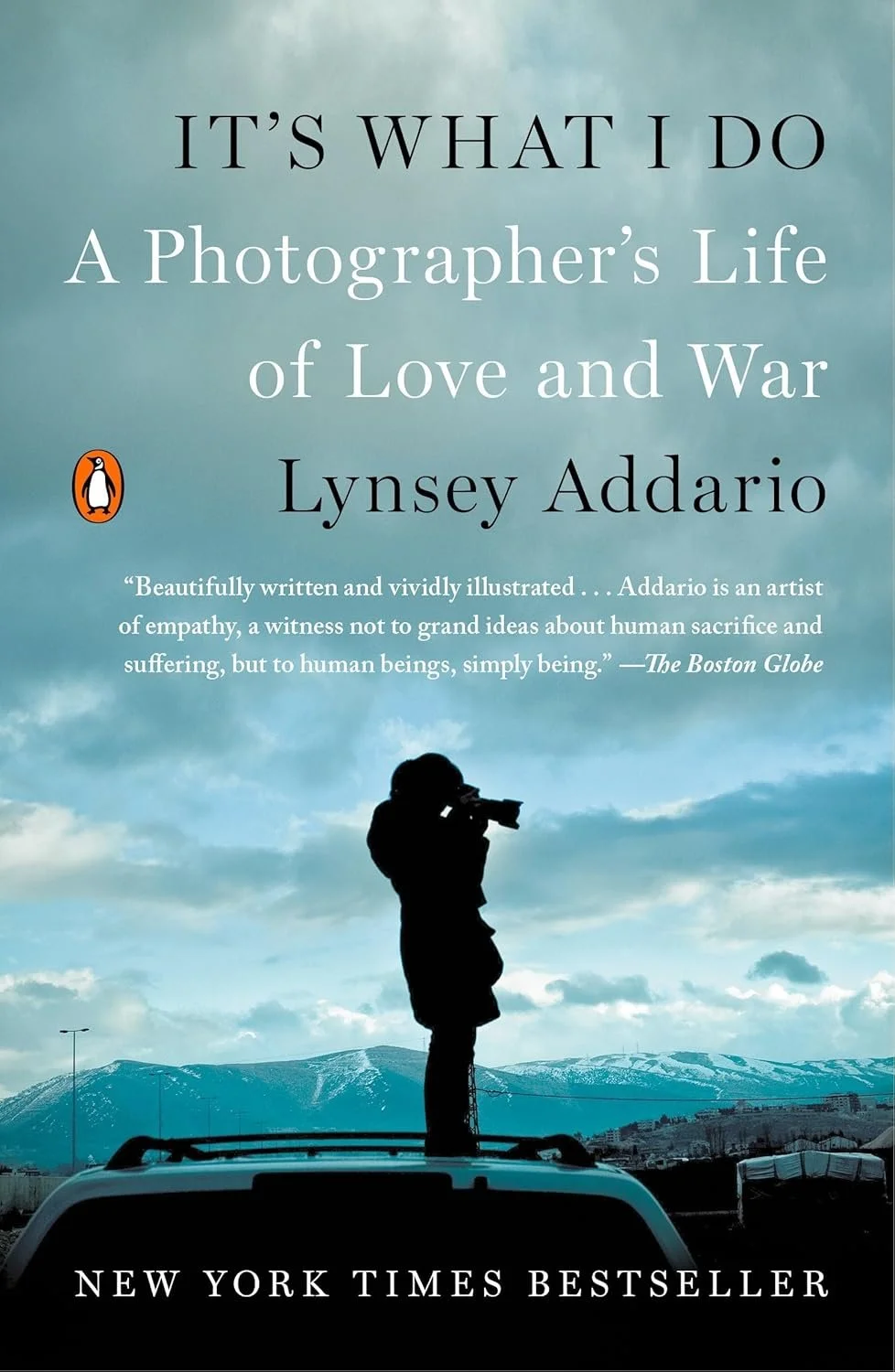
It’s What I Do: A Photographer’s Life of Love and War by Lynsey Addario
As someone who has long dreamed of a life in photojournalism, It's What I Do felt almost impossible to put down. Lynsey Addario offers an extraordinarily candid account of what it means to spend years documenting war, conflict, displacement, and humanitarian crises while continually balancing professional purpose against personal risk. She never romanticizes the work, writing honestly about fear, exhaustion, trauma, and the sacrifices that come with choosing to bear witness to the world's worst moments. What makes the memoir so compelling is that Addario is driven not by adrenaline, but by an unwavering belief that photography can make distant suffering visible to people who might otherwise never confront it. It's an inspiring reminder that journalism is ultimately an act of witness, and one of the finest memoirs I've read about the profession.
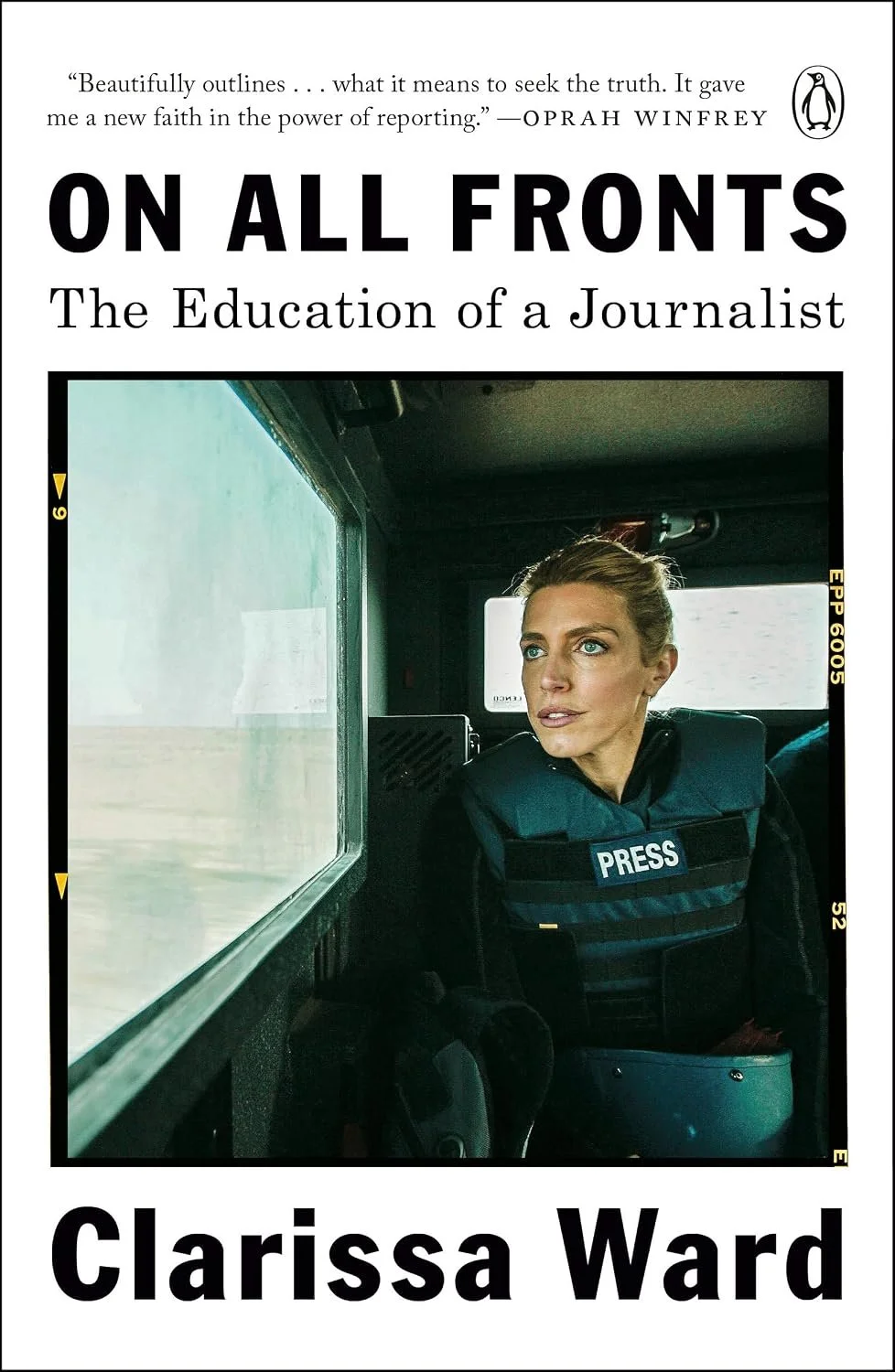
On All Fronts: The Education of a Journalist by Clarissa Ward
Clarissa Ward's On All Fronts offers another remarkable look at the life of a war correspondent, but from the perspective of broadcast journalism rather than photography. Ward writes candidly about reporting from conflict zones, navigating danger, earning people's trust, and making impossible decisions under extraordinary circumstances. What struck me most was how she reveals the emotional weight of repeatedly entering places that everyone else is desperately trying to escape, knowing that your responsibility is not simply to survive but to tell the story accurately once you're there. Like the very best journalist memoirs, the book becomes both a personal narrative and a reflection on the moral responsibility of bearing witness. It's an extraordinary portrait of courage, curiosity, and the quiet persistence required to keep reporting when the world feels like it's falling apart.
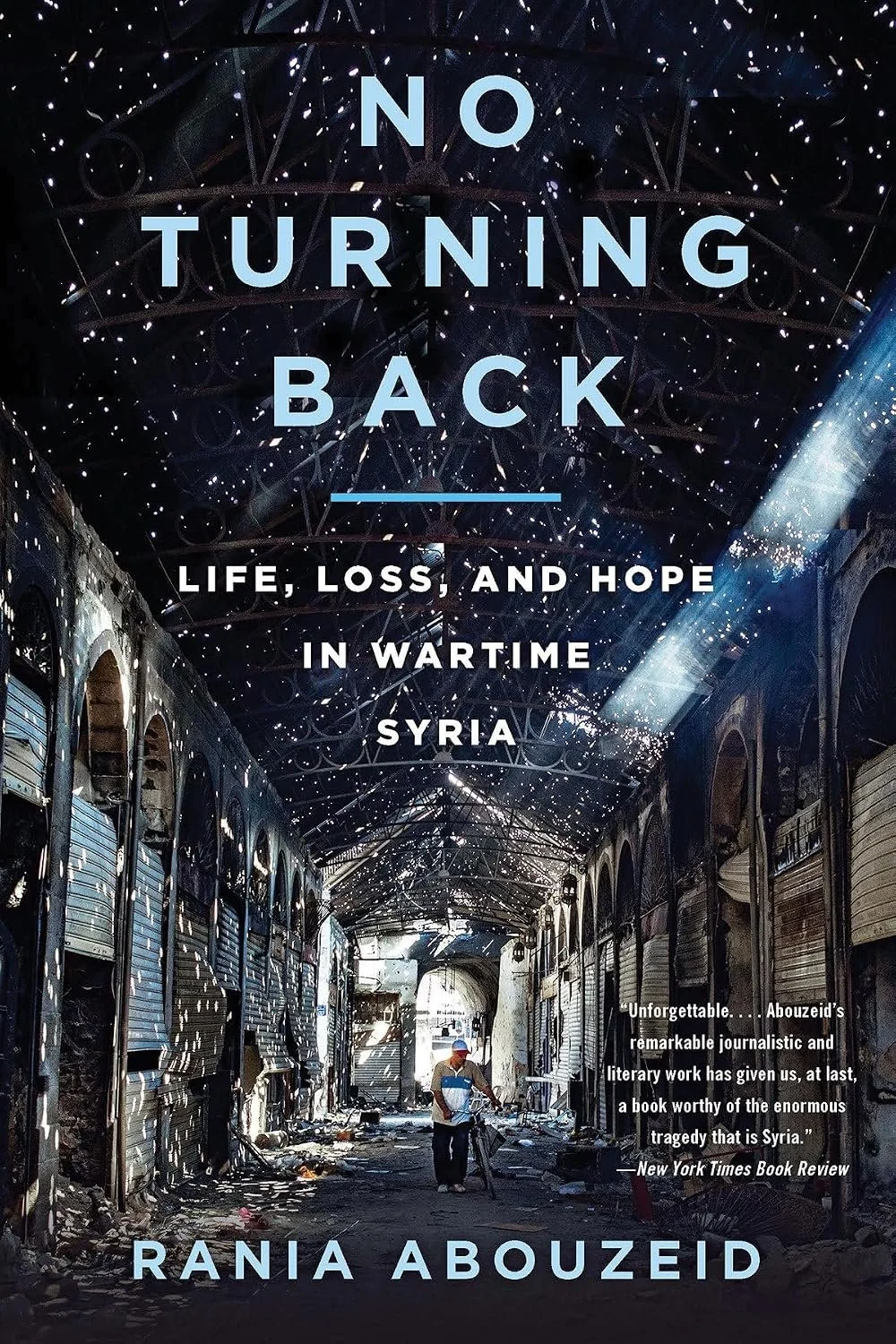
No Turning Back: Life, Loss, and Hope in Wartime Syria by Rania Abouzeid
No Turning Back is one of the most human accounts of the Syrian conflict that I've encountered. Rather than reducing war to military strategy or geopolitics, Rania Abouzeid follows ordinary Syrians over many years, allowing readers to experience the conflict through the lives of people whose homes, families, and futures were gradually transformed by violence. Her reporting is patient, compassionate, and remarkably intimate, making clear that history is never something that happens in the abstract. It happens to individual people making impossible decisions every day. The book also demonstrates the value of long-term reporting, showing how conflicts evolve over time rather than appearing suddenly as isolated news events. It is an extraordinary work of journalism and an essential book for understanding modern Syria beyond the headlines.
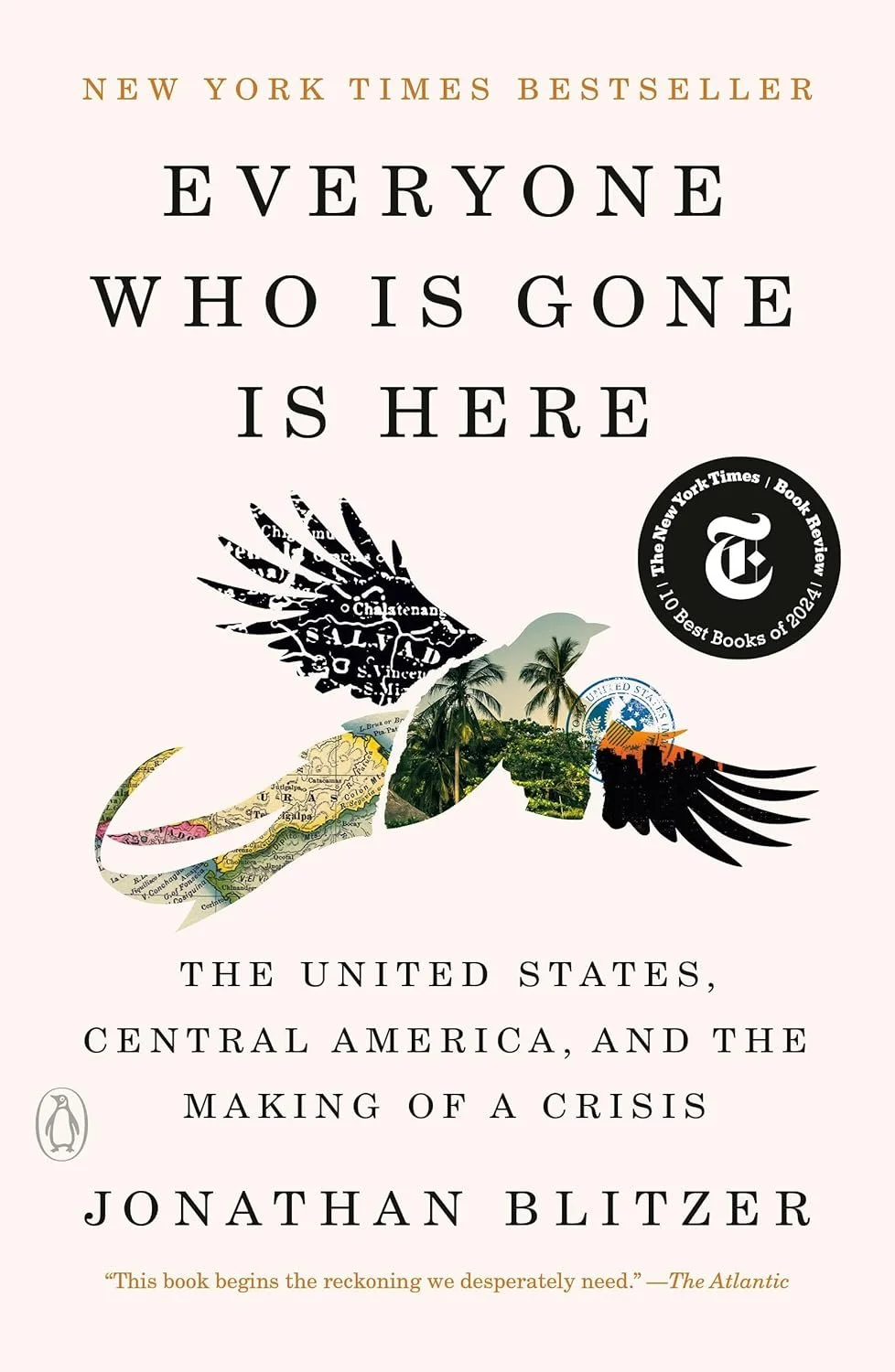
Everyone Who Is Gone Is Here by Jonathan Blitzer
Few books have helped me understand immigration as thoroughly as Everyone Who Is Gone Is Here. Jonathan Blitzer traces decades of American policy in Central America to show that today's so-called "migration crisis" did not emerge overnight, but is the predictable outcome of political decisions made over generations. What makes the book exceptional is that it never loses sight of the people living inside those systems. Through deeply reported individual stories, Blitzer reveals the impossible choices families face when violence, instability, and political failure leave them with nowhere safe to remain. It's a remarkable example of journalism that combines historical analysis with deeply empathetic reporting, reminding readers that immigration is never merely a political talking point—it is the lived experience of millions of people whose lives have been shaped by forces far beyond their control.
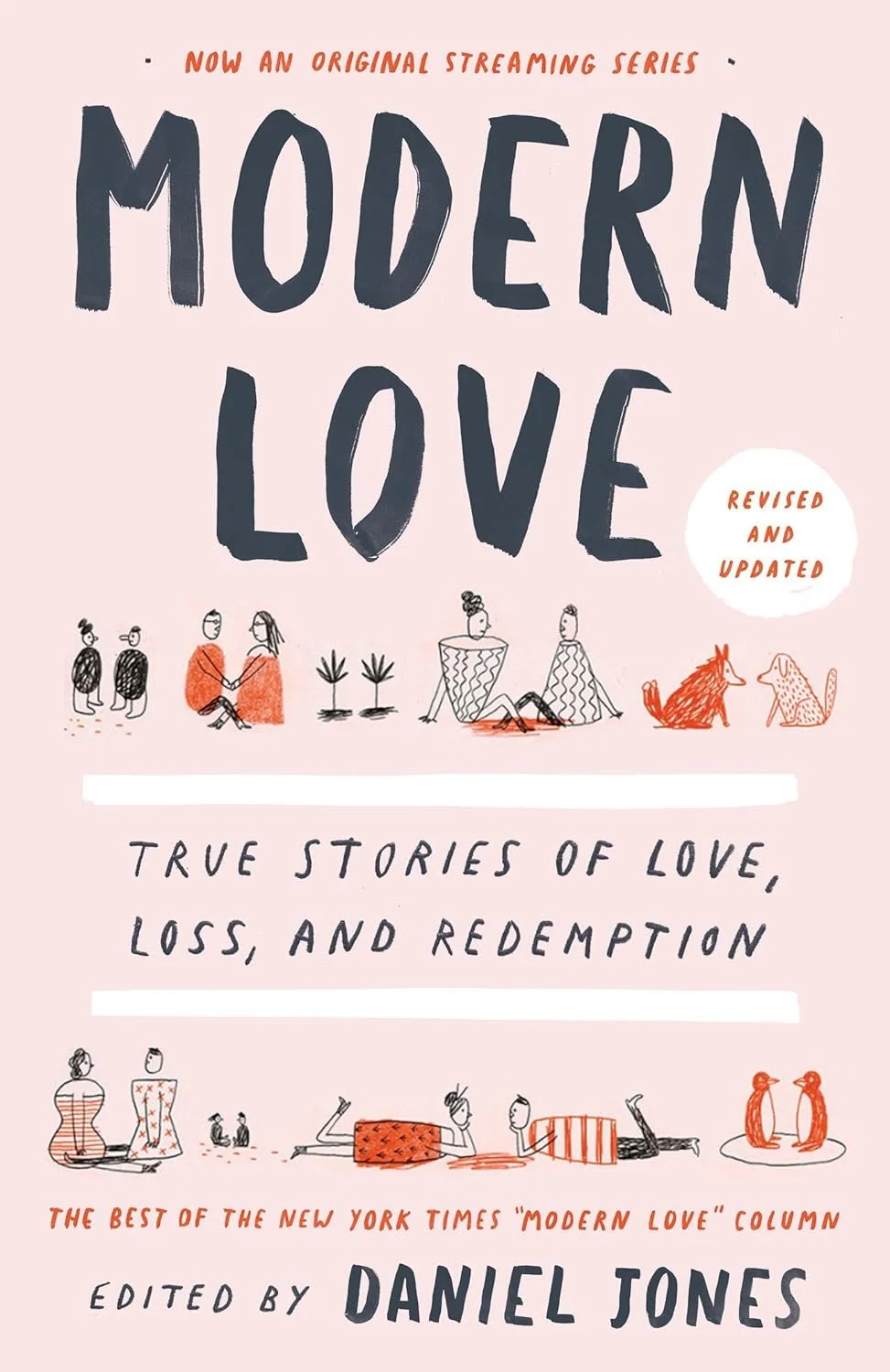
Modern Love: True Stories of Love, Loss, and Redemption by Daniel Jones
The essays collected in Modern Love remind us that relationships rarely unfold according to neat narratives. Love can be joyful, devastating, awkward, fleeting, unexpected, or quietly transformative, and this collection embraces all of those possibilities without pretending that there is a single correct way to build a life. Because each essay emerges from a different voice and experience, the book becomes less about romance itself than about the endlessly varied ways people search for connection and meaning. Some stories are heartbreaking, others quietly hopeful, but together they reveal just how universal our desire to be understood really is. It's the kind of collection I find myself returning to every few years.
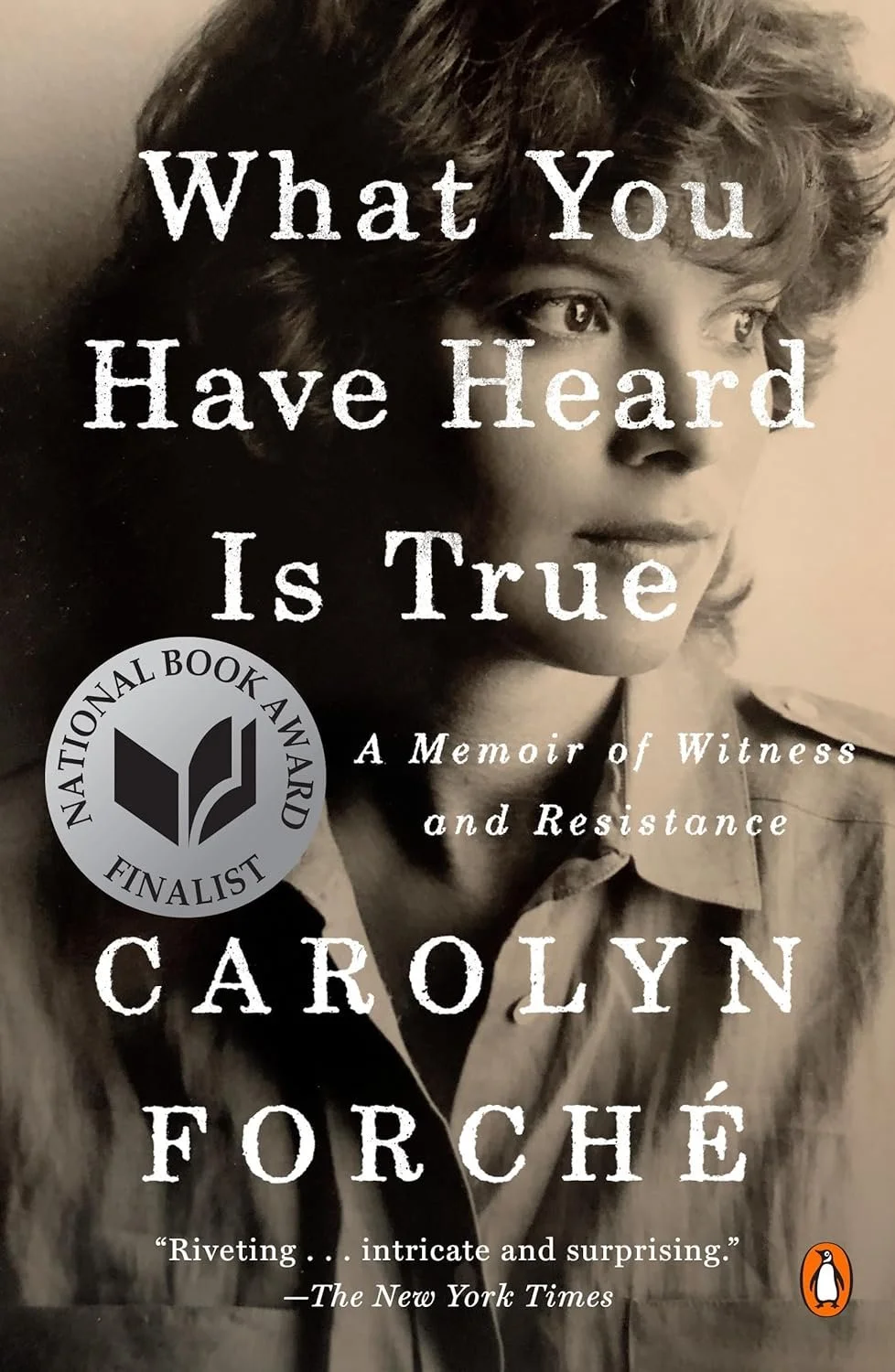
What You Have Heard Is True: A Memoir of Witness and Resistance by Carolyn Forché
What You Have Heard Is True is part memoir, part political testimony, and part meditation on what it means to truly witness another country's suffering. Carolyn Forché recounts her experience traveling to El Salvador on the eve of its civil war, gradually realizing the scale of violence unfolding around her and the responsibility that comes with seeing it firsthand. Her prose is intensely lyrical without ever losing sight of the historical realities she is documenting, making the book feel both deeply personal and profoundly political. I found it especially moving because it embodies what I believe journalism and literature can do at their very best: bring distant human suffering close enough that readers can no longer pretend it belongs only to someone else. It is a beautiful, heartbreaking account of bearing witness.
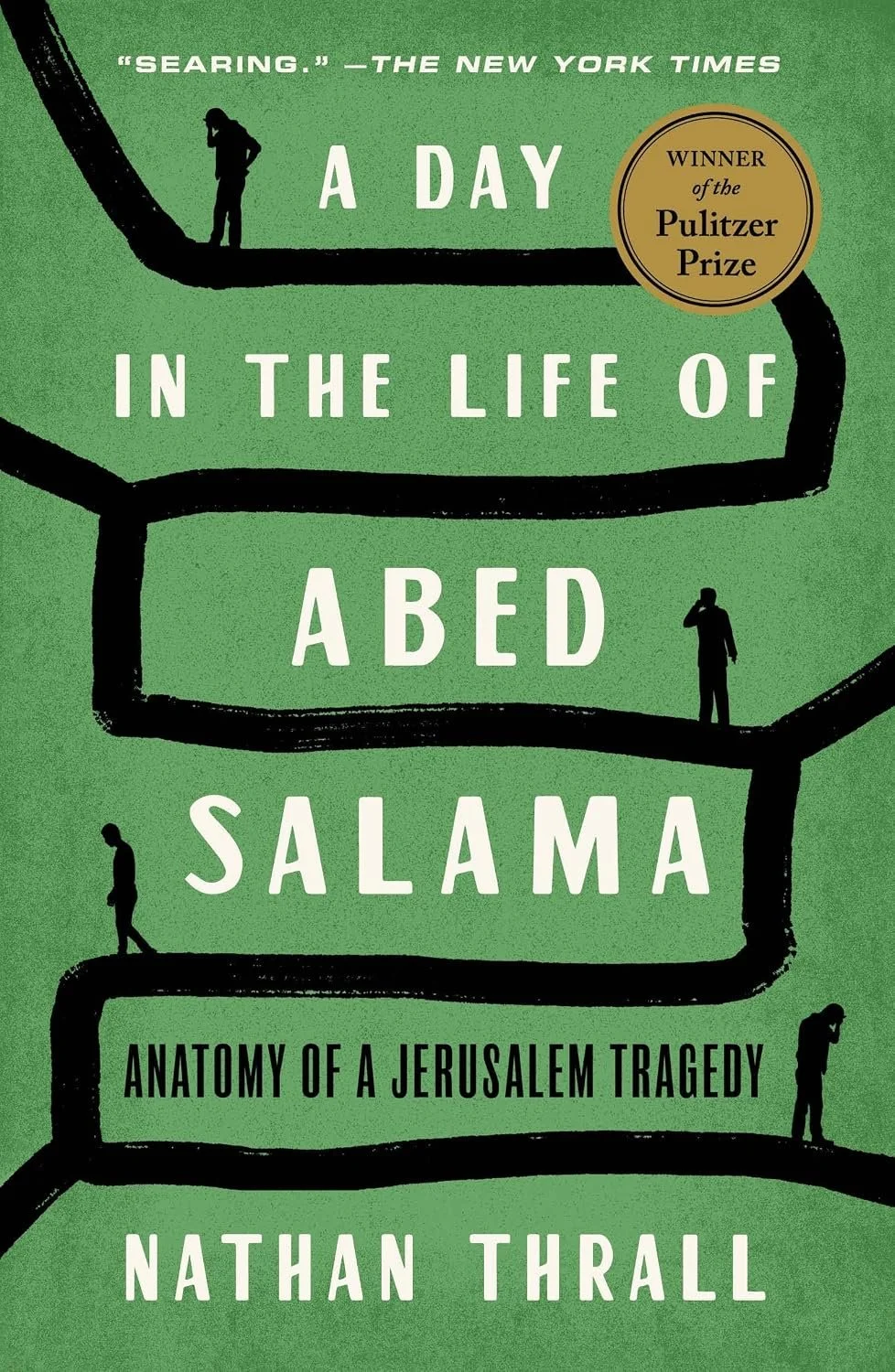
A Day in the Life of Abed Salama: Anatomy of a Jerusalem Tragedy by Nathan Thrall
A Day in the Life of Abed Salama is one of the most extraordinary works of narrative journalism I've read. Beginning with a tragic school bus accident outside Jerusalem, Nathan Thrall patiently expands outward, revealing the web of occupation, bureaucracy, segregation, and history that surrounds what initially appears to be a single devastating event. What impressed me most was the sensitivity of the reporting and the way Thrall allows readers to understand the same tragedy from multiple perspectives without reducing anyone to caricature. The result is a book that feels both deeply intimate and structurally ambitious, illustrating how one family's grief cannot be separated from the larger political system in which it unfolds. I finished it astonished not only by the story itself, but by the extraordinary reporting required to tell it so thoughtfully.
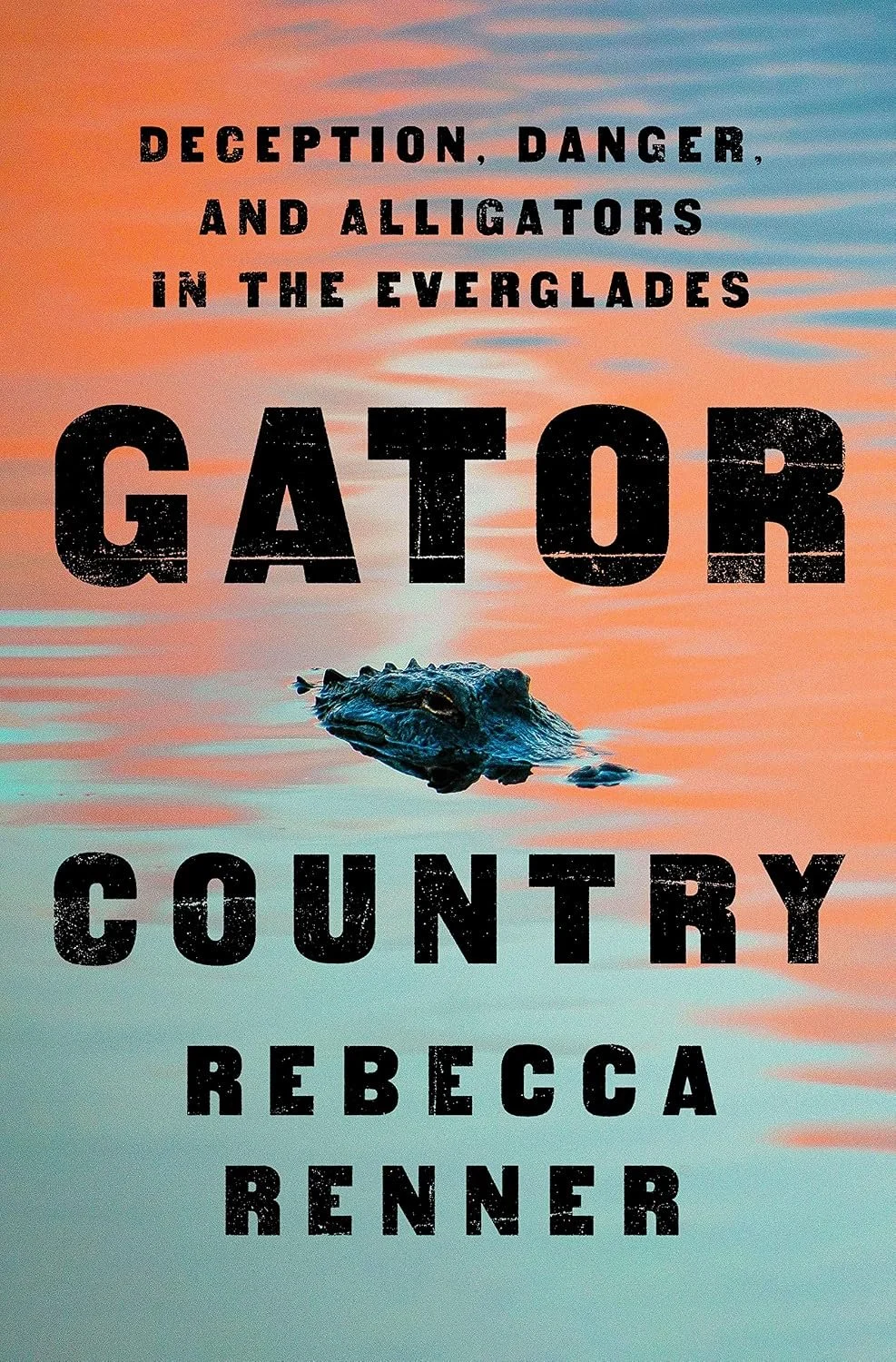
Gator Country: Deception, Danger, and Alligators in the Everglades by Rebecca Renner
Growing up in Florida, I have always been drawn to stories that capture the strange, beautiful, and often chaotic reality of the state, and Gator Country does exactly that. Rebecca Renner blends environmental reporting, investigative journalism, and true crime into a fascinating account of Florida's illicit alligator trade and the people whose lives intersect with it. Beyond the suspense of the story itself, the book becomes a meditation on conservation, human ambition, and the complicated relationship Floridians have with the wild landscapes that surround them. Renner writes with remarkable immersion, bringing readers into a world that feels both uniquely Floridian and surprisingly universal. It's an entertaining, deeply reported book that reminded me why Florida remains one of the most fascinating places in the country.
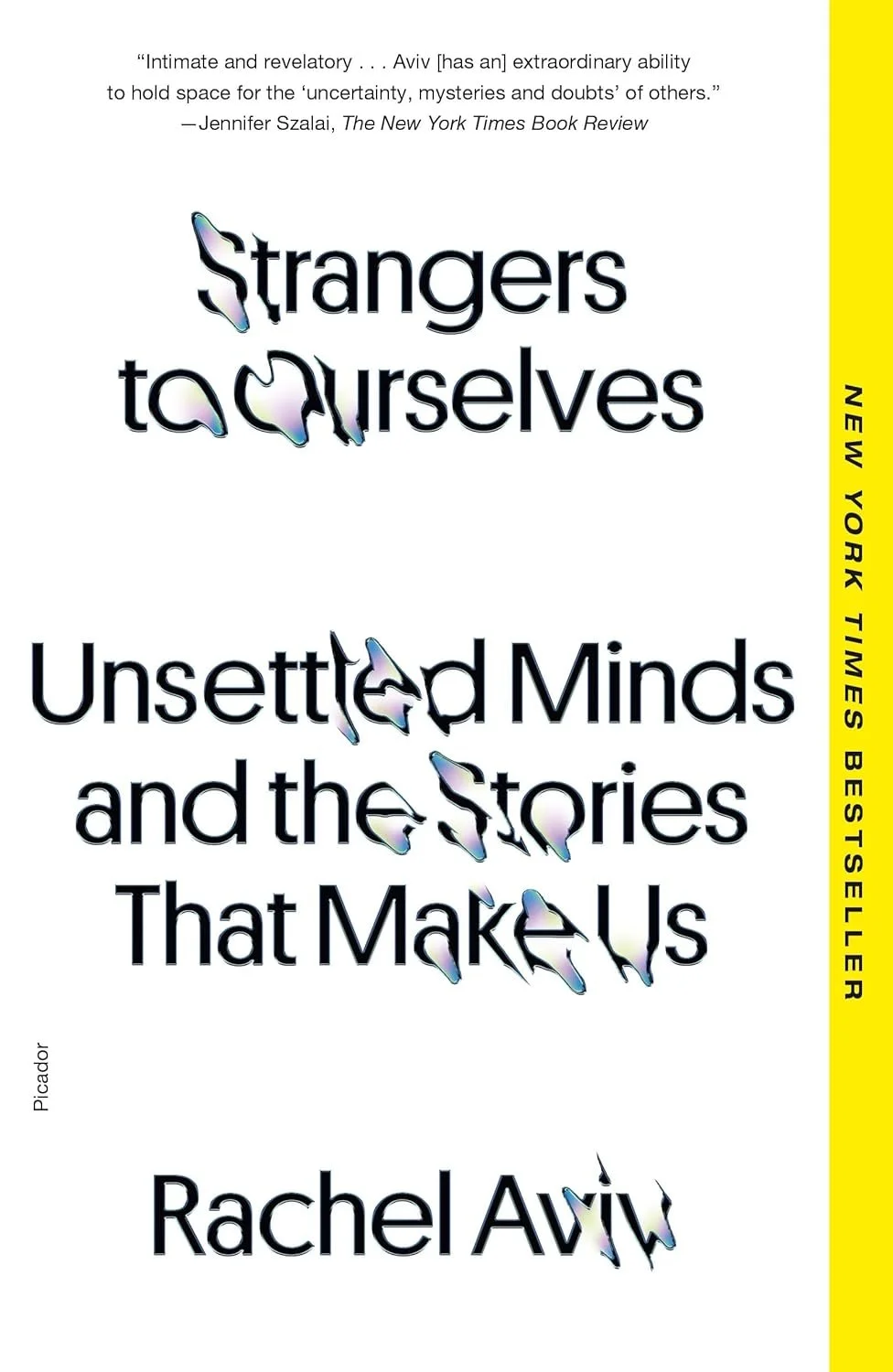
Strangers to Ourselves by Rachel Aviv
Strangers to Ourselves completely changed the way I think about mental health. Rachel Aviv examines several lives shaped by psychiatric diagnosis, but rather than treating mental illness as something purely biological or purely psychological, she explores how culture, family, history, religion, and society all influence the way suffering is understood. One of the book's most fascinating insights is that experiences considered symptoms of illness in one culture may be interpreted entirely differently somewhere else, forcing readers to question how much of what we consider "normal" is culturally constructed. Aviv approaches every subject with extraordinary empathy, allowing each person's story to remain irreducibly complex rather than fitting neatly into diagnostic categories. It is one of the most thoughtful and humane books I've read about the mind and the stories we tell about mental illness.
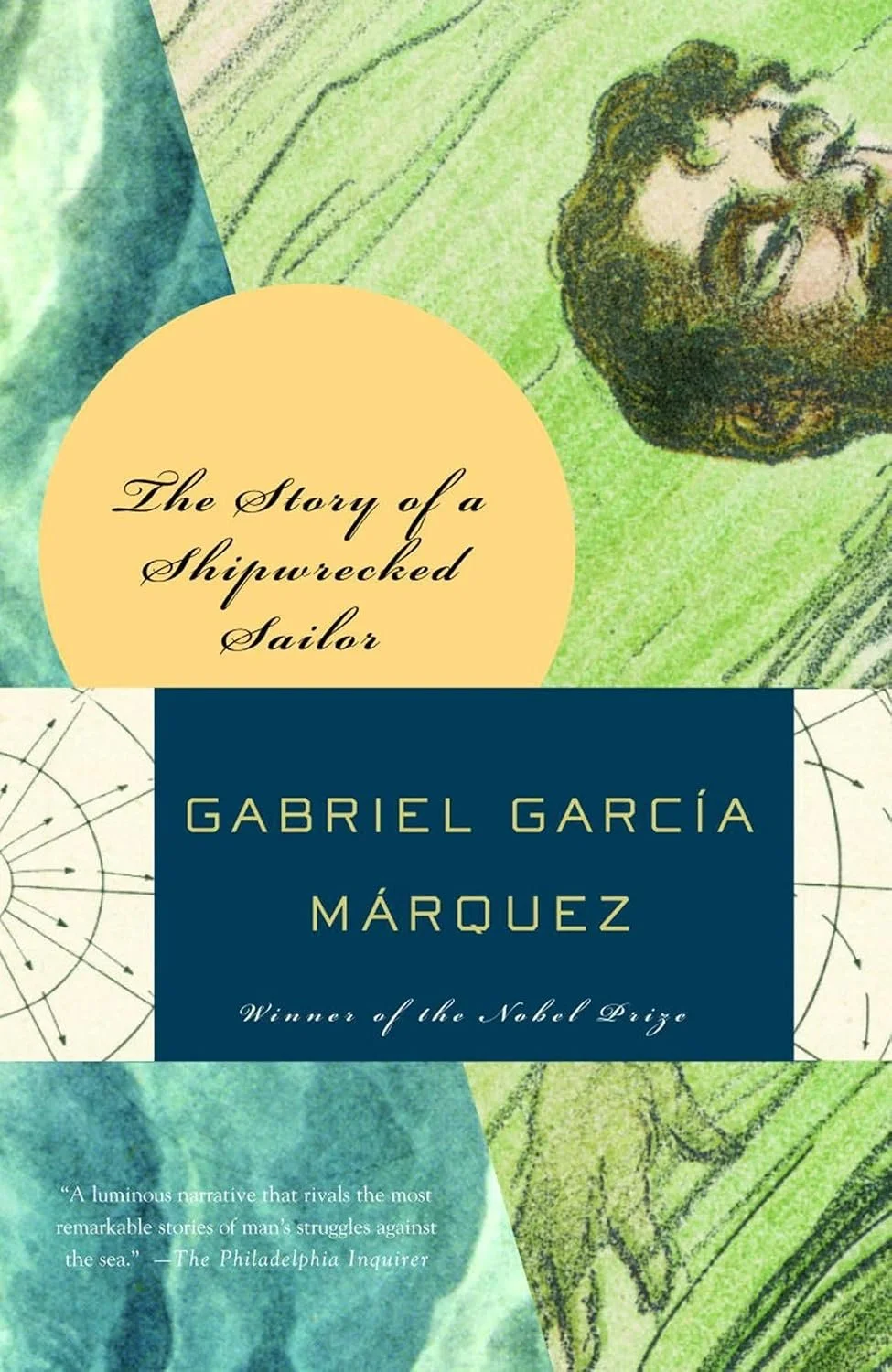
The Story of a Shipwrecked Sailor by Gabriel García Márquez
Before Gabriel García Márquez became one of the world's great novelists, he was an extraordinary journalist, and The Story of a Shipwrecked Sailor showcases that talent beautifully. Based on extensive interviews with the survivor of a naval disaster, the book transforms a true story into a gripping work of narrative journalism without sacrificing factual accuracy. Márquez demonstrates how careful reporting and literary craftsmanship can coexist, creating suspense not through invention but through structure, pacing, and remarkable attention to detail. It's also a fascinating reminder that journalism has the power not only to tell compelling stories but to challenge official narratives when governments would rather the truth remain hidden.
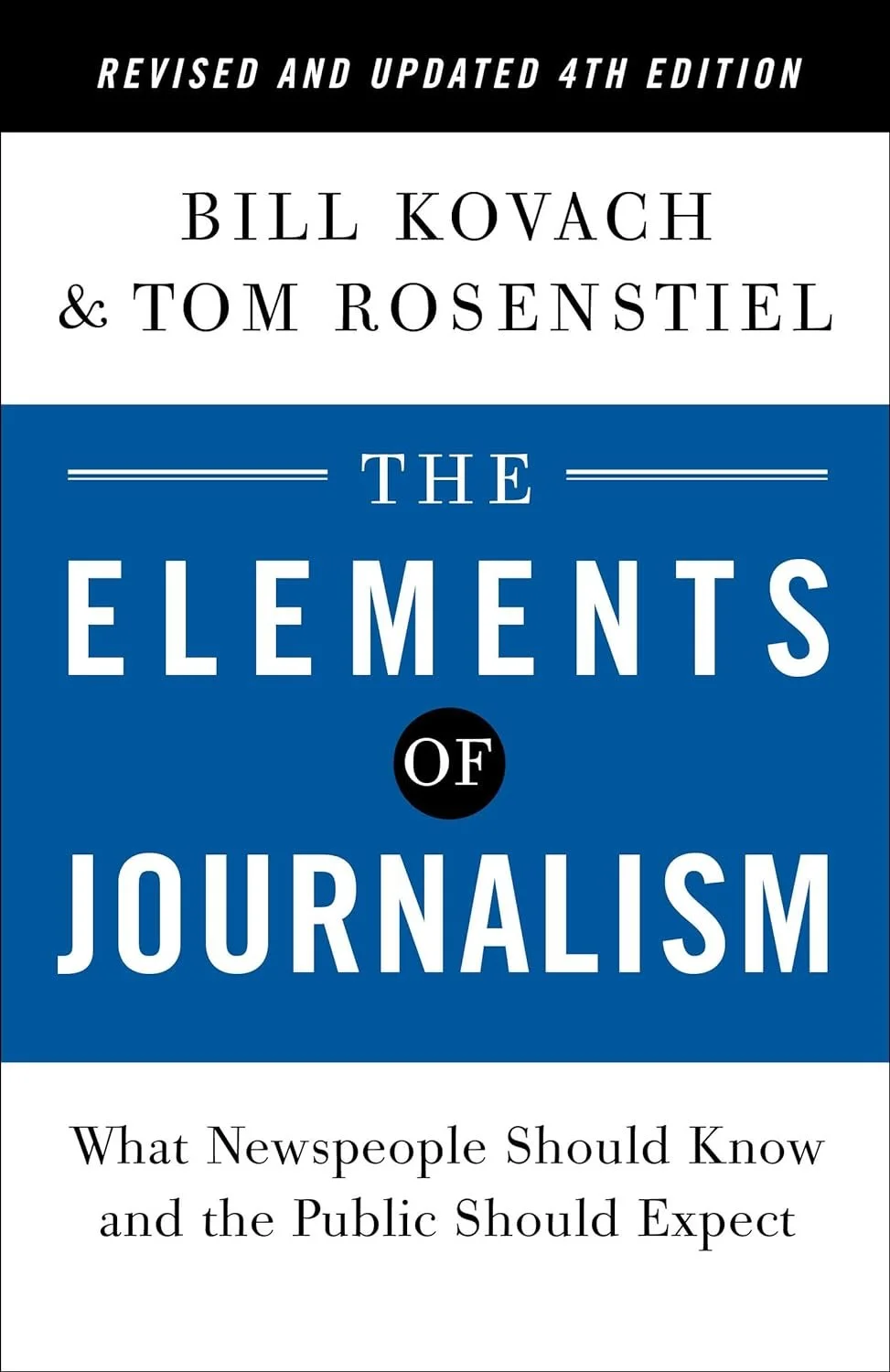
The Elements of Journalism: What Newspeople Should Know and the Public Should Expect by Bill Kovach and Tom Rosenstiel
If I were putting together a reading list for aspiring journalists, The Elements of Journalism would be near the very top. Kovach and Rosenstiel strip journalism back to its fundamental purpose: serving the public through verification, independence, transparency, and accountability. At a time when trust in the media has become increasingly fragile, their insistence on journalism as a disciplined process rather than a political identity feels more important than ever. The book doesn't offer easy solutions to every modern challenge, but it provides an ethical foundation that remains remarkably durable. Every journalist and every consumer of news would benefit from reading it.
Tell Me How It Ends: An Essay in 40 Questions by Valeria Luiselli
Although Tell Me How It Ends is barely over one hundred pages, it says more about immigration than many books several times its length. Drawing on her experience translating for undocumented children seeking asylum in the United States, Valeria Luiselli transforms what is so often discussed as an abstract political issue into a profoundly human one. She reveals how impossible it is to separate immigration policy from the lives of the children forced to navigate it, exposing the enormous emotional weight hidden beneath bureaucratic language and political rhetoric. The essay is urgent, compassionate, and quietly devastating without ever becoming sentimental. It remains one of the most powerful arguments I've encountered for remembering that behind every immigration statistic is an individual story.
The Message by Ta-Nehisi Coates
One of the things I admire most about Ta-Nehisi Coates is his willingness to let readers witness his thinking as it unfolds. Rather than presenting fully formed conclusions, The Message follows his intellectual journey as he explores race, nationalism, Palestine, memory, and the responsibilities that come with being a writer whose words carry influence. Reading the essays feels less like being lectured and more like accompanying someone through a process of observation, questioning, revision, and discovery. That openness makes the collection especially compelling because Coates continually demonstrates that writing is not simply a way of expressing ideas, it is also a way of arriving at them. It's an insightful meditation on storytelling, political responsibility, and the complicated relationship between witnessing the world and trying to describe it honestly.
Climate & the Environment
Climate change is one of the defining stories of our time, but it's also deeply interconnected with economics, migration, politics, culture, and justice.
The books in this section helped me move beyond headlines and begin thinking about environmental issues in a more nuanced and human way. Whether you're new to climate topics or already immersed in them, I hope these recommendations encourage both curiosity and action.
Braiding Sweetgrass: Indigenous Wisdom, Scientific Knowledge and the Teachings of Plants by Robin Wall Kimmerer
I genuinely believe Braiding Sweetgrass is one of the most important environmental books ever written. Robin Wall Kimmerer weaves together Indigenous knowledge, botany, ecology, and personal storytelling into something that feels less like a book and more like a completely different way of understanding our relationship with the living world. Rather than asking us simply to protect nature, she asks us to see it differently, to recognize plants, animals, rivers, and forests as communities we belong to rather than resources we consume. One idea that has stayed with me ever since reading it is her emphasis on naming the living things around us. Once you learn the names of plants, birds, trees, and flowers, they stop being anonymous scenery and begin to feel like familiar neighbors. It's one of the reasons I now keep plant identification apps on my phone and find so much joy in learning the names of the world around me. More than any other environmental book I've read, Braiding Sweetgrass made me realize that paying attention is itself a form of care.
Let My People Go Surfing: The Education of a Reluctant Businessman by Yvon Chouinard
I first read Let My People Go Surfing while studying sustainability at NYU, and it quickly became one of the books that shaped how I think about business. Yvon Chouinard doesn't present Patagonia as a perfect company; instead, he offers an honest account of continually trying to build a business that operates more responsibly within an economic system that often rewards exactly the opposite. Long before sustainability became a marketing buzzword, Patagonia was asking difficult questions about consumption, environmental responsibility, labor, and corporate accountability. Reading the book convinced me that some of the most meaningful environmental change will ultimately require businesses, not individuals, to rethink how they operate. It remains one of the most inspiring books I've read about entrepreneurship because it proves that profit and purpose do not have to exist in opposition to one another.
Silent Spring by Rachel Carson
Few books can legitimately claim to have changed the course of history, but Silent Spring is one of them. Rachel Carson exposed the ecological consequences of widespread pesticide use with extraordinary scientific rigor while also writing with a clarity and beauty rarely found in environmental literature. What makes the book so enduring is that it is not merely about one chemical or one environmental crisis; it is about the danger of assuming that human beings can manipulate complex natural systems without consequences. Carson's work helped launch the modern environmental movement, but it also transformed the way people thought about humanity's relationship with the natural world. More than sixty years later, it remains essential reading.
This Changes Everything: Capitalism vs. The Climate by Naomi Klein
Naomi Klein argues that climate change cannot be understood as merely an environmental problem because it is fundamentally intertwined with economics, politics, globalization, and the way modern capitalism is organized. Whether or not readers agree with every conclusion she reaches, the book succeeds in forcing climate change out of the narrow category of "environmental issues" and into the much broader conversation about power, inequality, and the systems that shape our lives. It challenged me to think less about climate as an isolated crisis and more as a lens through which countless other issues become visible. Ambitious, provocative, and deeply researched, it's one of the most influential climate books I've read.
The Invention of Nature: Alexander von Humboldt’s New World by Andrea Wulf
Before reading The Invention of Nature, Alexander von Humboldt was little more than a vaguely familiar historical name to me. By the time I finished the book, I was completely fascinated by him. Andrea Wulf transforms what could have been a conventional biography into a compelling history of one of the people who fundamentally changed the way we understand the natural world. Humboldt's revolutionary insight that nature functions as a vast interconnected system rather than a collection of isolated parts now feels almost obvious, yet it reshaped science, conservation, ecology, and even the way later thinkers like Darwin approached the world. Wulf captures both the brilliance of Humboldt himself and the extraordinary influence his ideas continue to have on environmental thought today. It's one of those books that permanently changes how you understand the history of science and the origins of modern environmentalism.
The Sixth Extinction: An Unnatural History by Elizabeth Kolbert
The Sixth Extinction is not an “easy” book to read, nor should it be. Elizabeth Kolbert chronicles the extraordinary loss of biodiversity taking place during our own lifetime, making clear that humanity is living through one of the largest mass extinctions in Earth's history. Rather than relying on abstract statistics alone, she introduces readers to scientists working around the world to document disappearing species and ecosystems before they vanish altogether. The result is both scientifically rigorous and deeply human, reminding us that extinction isn't merely an environmental issue, it's also the gradual disappearance of the astonishing diversity that makes our planet so extraordinary. I came away from the book with an even greater appreciation for the fragile complexity of life and a renewed conviction that biodiversity has value far beyond its usefulness to us.
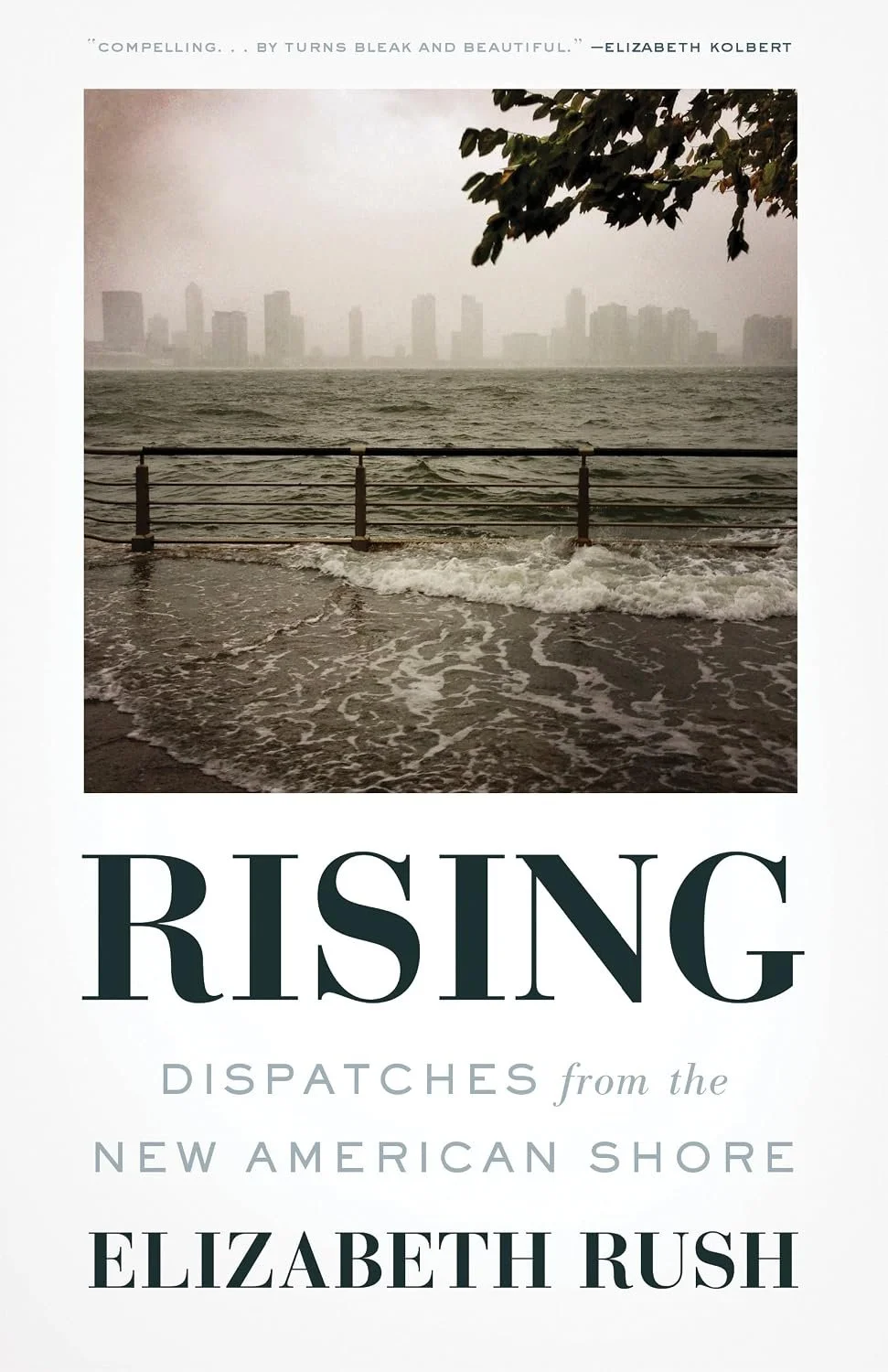
Rising: Dispatches from the New American Shore by Elizabeth Rush
There are very few writers whose prose I envy as much as Elizabeth Rush's. Rising explores sea-level rise through communities across the United States already living with its consequences, but what makes the book exceptional is the beauty with which that reporting is written. Each chapter introduces another place, another family, another landscape confronting an uncertain future, gradually revealing climate change not as an abstract prediction but as a lived reality already reshaping people's lives. Rush has an extraordinary ability to write with lyricism without diminishing the urgency of the subject, allowing beauty and devastation to exist side by side. It's exactly the kind of environmental storytelling I aspire to create myself: deeply reported, profoundly empathetic, and so beautifully written that readers cannot help but care.
On Fire: The Case for the Green New Deal by Naomi Klein
On Fire builds upon many of the ideas Naomi Klein explores elsewhere, but with a greater sense of urgency. Rather than asking readers simply to understand climate change, she asks what meaningful action might actually require politically, economically, and socially. The essays connect environmental degradation to labor, migration, inequality, and democracy, illustrating just how interconnected these issues have become. Even when the arguments are challenging, I appreciate Klein's refusal to treat climate as a single-issue movement detached from everything else happening in society. It's a passionate and timely collection that encourages readers to think bigger about both the problem and the possible solutions.
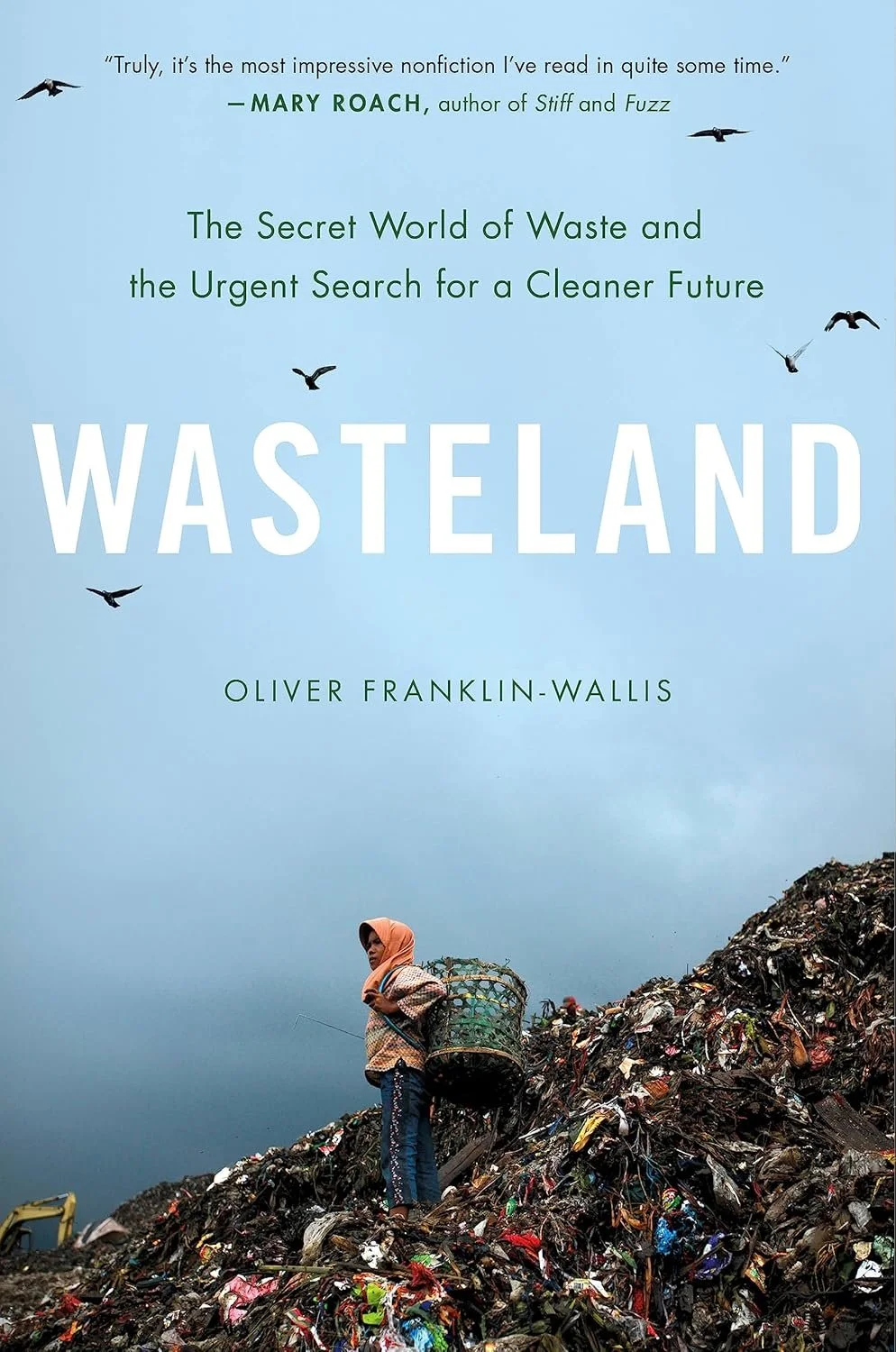
Wasteland: The Secret World of Waste and the Urgent Search for a Cleaner Future by Oliver Franklin-Wallis
One of the most unsettling things Wasteland reveals is that there is no such thing as "throwing something away." Oliver Franklin-Wallis follows our waste around the world, exposing the hidden systems that process (or more often simply relocate) our garbage after it disappears from view. The book demonstrates how consumption, inequality, globalization, and environmental degradation are deeply interconnected, making visible the costs that affluent societies routinely outsource to poorer communities. I finished it looking at ordinary objects very differently, realizing how disconnected most of us are from the full life cycle of the things we buy. It's an eye-opening investigation into one of the defining but largely invisible systems of the modern world.
The Uninhabitable Earth: Life After Warming by David Wallace-Wells
The Uninhabitable Earth is intentionally unsettling, and I think that's part of its value. David Wallace-Wells refuses to soften the potential consequences of climate change, assembling research across disciplines to illustrate what an increasingly unstable planet could mean for ecosystems, economies, migration, conflict, and everyday life. While some readers criticized the book for emphasizing worst-case scenarios, I found it useful precisely because it challenged the complacency that so often surrounds conversations about climate. It's impossible to finish without recognizing that climate change is not a distant environmental issue but one of the defining forces that will shape this century. Whether you find it motivating or overwhelming, it's a book that is difficult to ignore.
The Anthropocene Reviewed: Essays on a Human-Centered Planet by John Green
Few writers can move so effortlessly between the deeply personal and the profoundly universal as John Green does in The Anthropocene Reviewed. Through essays reviewing everything from sunsets and Canada geese to pandemics and Diet Dr Pepper, Green quietly examines what it means to be human during this strange geological moment in which our species has become a planetary force. His writing is funny, generous, melancholy, and intensely observant, always finding larger philosophical questions hidden inside seemingly ordinary subjects. I love books that encourage readers to notice the world more carefully, and this one does exactly that. It's ultimately a celebration of curiosity, a reminder that paying attention may be one of the most meaningful things we can do.
Politics & Society
Politics isn't just something that happens in legislatures or on election days—it shapes nearly every aspect of our daily lives.
These books explore power, democracy, inequality, media, globalization, and the social forces that influence the world we live in. Even when I don't agree with every argument, I appreciate books that challenge me to think more critically.
The Shock Doctrine by Naomi Klein
I can honestly say that The Shock Doctrine changed the way I understand the world. Before reading it, the idea of "disaster capitalism" had simply never occurred to me. That governments and corporations could systematically use moments of crisis, whether wars, natural disasters, economic collapse, or political upheaval, to push through policies and accumulate power in ways that would be impossible under normal circumstances seems inconceivable. Yet Naomi Klein traces this pattern across decades and continents, demonstrating that these events are not isolated incidents but part of a recurring political and economic strategy. What struck me most wasn't just the reporting itself, but the realization that once you recognize this pattern, you begin to see it everywhere. It permanently altered the way I read the news, interpret political events, and question who benefits from moments of collective upheaval. More than perhaps any other book I've read, it taught me to look beyond the immediate headlines and ask what larger systems are operating beneath the surface. Naomi Klein remains one of my greatest influences as both a journalist and a thinker, and I recommend this book to anyone trying to better understand the forces that shape the modern world.
The Case for Open Borders by John Washington
The Case for Open Borders fundamentally challenged the way I think about borders, migration, and the assumptions most of us inherit without ever questioning them. Rather than treating borders as an inevitable feature of the modern world, John Washington asks us to consider why freedom of movement is so unevenly distributed and why the simple accident of where someone is born should determine so much about the course of their life. What I appreciated most is that the book never loses sight of the people behind the politics. Washington grounds his argument in history, economics, philosophy, and deeply human stories, reminding readers that immigration is ultimately about individuals seeking safety, opportunity, and dignity rather than abstract political debates. Whether or not you agree with every aspect of his argument, the book asks questions that are difficult to ignore, and I found it to be one of the most thought-provoking books I've read on migration and global inequality. It challenges readers to imagine what a more humane and equitable world might look like if we fundamentally rethought the purpose of borders themselves.
Utopia for Realists: How We Can Build the Ideal World by Rutger Bregman
It's easy to spend all of our time documenting what's wrong with the world. What's much harder and perhaps much more important is imagining what a better one might actually look like. That's exactly what Utopia for Realists attempts to do. Rutger Bregman explores ideas like universal basic income, shorter workweeks, and open borders, arguing that many proposals we dismiss as unrealistic today have historical precedents and deserve to be taken seriously. Whether or not every solution proves practical, I deeply appreciate books that encourage us to think beyond managing crises and instead imagine entirely different ways of organizing society. We can't build a better future unless we're first willing to imagine one.
Bullshit Jobs by David Graeber
Few books have captured the strange absurdities of modern work quite as brilliantly as Bullshit Jobs. David Graeber examines the countless jobs that even the people doing them privately believe serve little or no meaningful purpose, asking why so many societies continue to create work that feels simultaneously exhausting and unnecessary. What begins as a surprisingly funny premise gradually becomes a profound critique of capitalism, productivity, status, and the way we've come to tie our worth so closely to our employment. I found myself thinking about this book constantly long after finishing it because once Graeber gives you the language for these ideas, it's impossible not to notice them everywhere. It's funny, unsettling, and one of the sharpest critiques of modern work I've ever read.
The Wretched of the Earth by Frantz Fanon
The Wretched of the Earth is one of the foundational texts of anti-colonial thought and remains remarkably relevant decades after it was written. Frantz Fanon examines the psychological, political, and economic consequences of colonialism with an urgency that continues to resonate in conversations about race, empire, inequality, and liberation today. While some aspects of the book are undoubtedly products of its historical moment, its central insight that colonialism reshapes both individuals and entire societies in lasting ways continues to influence scholars, activists, and political thinkers around the world. It's not always an easy read, but I think it's an essential one for anyone trying to understand the lasting legacy of empire and the modern world it helped create.
White Fragility: Why It’s So Hard for White People to Talk About Racism by Robin DiAngelo
One of the central arguments of White Fragility is that many white people become deeply defensive whenever conversations about race begin, making honest dialogue far more difficult than it needs to be. Robin DiAngelo challenges readers to examine the ways privilege often becomes invisible to those who possess it, arguing that meaningful conversations about racism require a willingness to tolerate discomfort rather than immediately retreating into defensiveness. While the book has generated considerable debate from across the political spectrum, I think its greatest value lies in encouraging self-reflection rather than certainty. If we're unwilling to question the assumptions we've inherited, genuine understanding becomes almost impossible. Whether readers ultimately agree with every argument or not, I think it's a worthwhile conversation to engage with openly.
Freedom Is a Constant Struggle by Angela Y. Davis
Freedom Is a Constant Struggle brings together Angela Davis's speeches and essays on racism, incarceration, policing, feminism, Palestine, and global movements for justice, revealing how deeply interconnected these struggles often are. One of the book's greatest strengths is its insistence that oppression should never be understood in isolation; systems of power tend to reinforce one another across borders and across generations. Davis writes with both moral clarity and historical perspective, encouraging readers to see activism not as a series of disconnected causes but as part of a much larger pursuit of collective liberation. Even decades into her career, her ideas continue to feel remarkably relevant. It's an inspiring and thought-provoking collection that reminds us that progress has always depended upon sustained solidarity rather than isolated victories.
On Palestine by Noam Chomsky and Ilan Pappé
If you're looking for a concise introduction to the history of the Israeli-Palestinian conflict from a critical perspective, On Palestine is an excellent place to begin. Through a series of conversations, Noam Chomsky and Ilan Pappé trace the historical roots of the conflict, examine the realities of occupation, and discuss what justice and peace might realistically require moving forward. Although the book is relatively short, it provides valuable historical context for one of the world's longest-running and most contested political struggles. I found it especially useful because it distills an enormously complex history into a format that's accessible without sacrificing nuance. It's an important starting point for anyone hoping to understand the conflict beyond headlines and political slogans.
Between the World and Me by Ta-Nehisi Coates
Ta-Nehisi Coates has an extraordinary ability to think on the page, allowing readers to follow not only his conclusions but the process by which he arrives at them. Written as a letter to his teenage son, Between the World and Me reflects on race, history, fear, vulnerability, and what it means to inhabit a Black body in America. The intimacy of that format gives the book an emotional force that feels deeply personal while simultaneously speaking to much broader historical realities. Coates never writes as though he possesses easy answers; instead, he invites readers into an ongoing conversation with history, identity, and injustice. It's a profoundly moving book whose power comes as much from the beauty of its prose as from the urgency of its ideas.
Discourse on Colonialism by Aimé Césaire
If you're interested in understanding colonialism, empire, capitalism, or the political systems that continue to shape the modern world, Discourse on Colonialism is one of those foundational books you simply have to read. Aimé Césaire dismantles the moral justifications for colonialism with extraordinary clarity, arguing that the violence of empire ultimately dehumanizes not only the colonized but the colonizer as well. Although it was written more than seventy years ago, many of his arguments remain startlingly relevant, particularly when thinking about neocolonialism, global inequality, and the enduring structures of political and economic power. It's a relatively short book, but one that has had an enormous influence on anti-colonial thought ever since. For anyone hoping to understand how we arrived at the world we live in today it remains essential reading.
Invisible Women by Caroline Criado Pérez
Invisible Women is one of those books that is simultaneously fascinating and deeply infuriating. Caroline Criado Perez meticulously documents the countless ways our data, institutions, and systems continue to treat men as the default human being, often with very real consequences for women's health, safety, and everyday lives. From crash-test dummies designed around male bodies to medical research conducted primarily on men, she reveals how seemingly neutral decisions repeatedly leave women underserved or actively endangered. What struck me most was how unsurprising the examples ultimately were. The book permanently changed the way I think about data and reminded me that even something as seemingly objective as statistics reflects the values and assumptions of the societies that produce them.
Psychology & Human Behavior
I'm endlessly fascinated by why people think, feel, and behave the way they do.
Whether exploring relationships, identity, memory, decision-making, or the stories we tell ourselves, these books have helped me better understand both other people and myself. Many of them have also influenced the kinds of questions I ask during interviews and the way I approach storytelling.
The Science of Stuck: Breaking Through Inertia to Find Your Path Forward by Britt Frank
I picked up The Science of Stuck during a period when I was trying to better understand why people, including myself, can sometimes know exactly what they need to do while feeling completely unable to do it. Rather than framing procrastination, avoidance, or burnout as personal failures, Britt Frank explores the nervous system, trauma, and psychology behind those experiences with compassion and practical insight. What I appreciated most was her refusal to rely on simplistic motivational advice or toxic positivity. Instead, she offers a framework that acknowledges how complicated human behavior actually is while still emphasizing that meaningful change is possible. It's one of the more thoughtful books I've read on the psychology of feeling stuck.
Burnout: The Secret to Unlocking the Stress Cycle by Emily Nagoski and Amelia Nagoski
I first picked up Burnout because, frankly, I've struggled with burnout for years. One of the book's greatest strengths is that it distinguishes between the external causes of stress and the physiological stress cycle itself, arguing that solving a problem isn't always the same as allowing your body to recover from it. That simple distinction changed the way I thought about my own relationship with work, rest, and productivity. Rather than offering unrealistic life hacks or encouraging toxic positivity, the Nagoski sisters approach burnout with compassion, practicality, and a deep understanding of how our minds and bodies respond to chronic stress. I think almost anyone navigating modern life could find something valuable in these pages.
Attached: The New Science of Adult Attachment and How It Can Help You Find and Keep Love by Amir Levine and Rachel Heller
Attached was one of those books that immediately gave language to patterns I had experienced but never fully understood. Exploring attachment theory through the lens of adult relationships, the authors explain how secure, anxious, avoidant, and anxious-avoidant attachment styles influence the ways we communicate, connect, and respond to intimacy. I found it especially eye-opening because recognizing my own attachment tendencies helped me understand not only past relationships but also the kinds of habits I wanted to work toward changing. Like many psychological frameworks, it isn't meant to explain everything about a person, but it offers an incredibly useful lens through which to understand recurring relational patterns. Sometimes simply having the vocabulary to describe an experience is the first step toward changing it.
Maybe You Should Talk to Someone by Lori Gottlieb
One of the things I love most about Maybe You Should Talk to Someone is that it quietly dismantles the idea that therapists somehow have life figured out. Lori Gottlieb weaves together the stories of several patients with her own experience as a therapy patient, revealing that vulnerability, grief, fear, and uncertainty are universal regardless of profession or expertise. The result is a memoir that's funny, deeply compassionate, and surprisingly profound without ever becoming preachy. More than anything, it's a book about the extraordinary difficulty and necessity of change. It reminded me that therapy isn't about becoming someone entirely different; it's about learning to understand yourself honestly enough to begin living differently.
Adult Children of Emotionally Immature Parents by Lindsay C. Gibson
Despite its title, Adult Children of Emotionally Immature Parents is a remarkably compassionate book. Rather than encouraging blame, Lindsay Gibson focuses on helping readers understand the emotional patterns that are often passed quietly from one generation to the next, usually by parents who were themselves shaped by similar experiences. Reading it helped me think less about assigning fault and more about recognizing inherited family dynamics with greater clarity and empathy. Once those patterns become visible, they become much easier to interrupt rather than unconsciously repeating them. I think many people would recognize parts of their own families in these pages, and that's precisely what makes the book so valuable.
How to Do Nothing: Resisting the Attention Economy by Jenny Odell
How to Do Nothing completely reframed the way I think about attention. Jenny Odell isn't advocating laziness or disengagement; she's questioning why we live in a culture that constantly demands our productivity, monetizes our focus, and leaves so little room for genuine presence. She argues that paying careful attention to nature, to community, to art, or simply to the people around us, can itself become a quiet act of resistance against the attention economy. As someone who has spent years struggling with burnout, distraction, and the pressure to always be producing something, I found the book both deeply reassuring and profoundly challenging. It reminded me that creativity doesn't flourish through constant optimization. It flourishes through noticing.
Think Again: The Power of Knowing What You Don’t Know by Adam Grant
One of the central ideas in Think Again is that changing your mind is often evidence that you're actually learning. Adam Grant argues that curiosity, intellectual humility, and the willingness to reconsider our beliefs are among the most valuable skills we can cultivate, particularly in a world where certainty is so often rewarded. I found the book especially refreshing because it treats doubt not as failure, but as the beginning of deeper understanding. Some of the people I admire most are those who remain open to changing their minds when presented with new evidence, and Grant makes a compelling case that this kind of flexibility is a strength rather than a flaw. It's a thoughtful reminder that the goal shouldn't be to always be right, but to keep getting closer to the truth.
Memoir & Biography
Few genres create empathy like memoir.
Reading someone's life in their own words offers an intimacy that's difficult to replicate elsewhere. Some of these books inspired me creatively, while others reminded me how universal so many human experiences really are.
These are the memoirs and biographies I've found especially memorable.
The Opposite of Loneliness by Marina Keegan
Reading The Opposite of Loneliness is bittersweet for reasons that extend far beyond the writing itself. Marina Keegan was an extraordinary talent, and these essays and short stories offer only the smallest glimpse of what she might have gone on to create had she lived longer. Written largely during that strange period between college and adulthood, the collection captures the uncertainty, ambition, idealism, and overwhelming possibility that characterize your early twenties. Keegan writes with remarkable intelligence and emotional clarity, making ordinary moments feel quietly profound. Knowing that these pages represent unrealized potential makes the collection all the more devastating. It's one of those rare books that leaves you grieving not only the author herself, but all the stories she never had the chance to tell.
La Vagabonde by Colette
The Vagabond is a beautiful piece of French literature that feels surprisingly contemporary despite being more than a century old. Through the life of an independent woman navigating work, love, identity, and freedom, Colette explores questions that remain deeply familiar today, particularly for women trying to define themselves outside conventional expectations. Her writing is sensual, witty, reflective, and refreshingly honest about both the pleasures and the loneliness that often accompany independence. Rather than offering simple answers, she embraces contradiction, allowing her characters to exist as fully complex people rather than symbols or ideals. It's an elegant, quietly radical novel that has stayed with me long after I finished reading it.
Know My Name: A Memoir by Chanel Miller
Know My Name is not an easy book to read, nor should it be. Chanel Miller recounts her assault and its aftermath with extraordinary honesty, forcing readers to confront not only the violence itself but also the failures of the institutions meant to deliver justice. It is a heartbreaking, infuriating book that should leave anyone who reads it angry at what she endured. At the same time, it's also a remarkable act of reclaiming agency. By telling her own story in her own words, Miller transforms herself from the anonymous "Emily Doe" into the author of one of the most important memoirs of the past decade. Her courage, compassion, and remarkable writing make this a profoundly moving testament to resilience and the power of reclaiming your own narrative.
The Year of Magical Thinking by Joan Didion
Joan Didion has an extraordinary ability to write with devastating emotional precision, and The Year of Magical Thinkingis perhaps the clearest example of that gift. Written after the sudden death of her husband, the memoir chronicles the strange logic of grief in the ways the mind continually oscillates between accepting reality and quietly refusing to believe it. Didion captures those moments of remembering and forgetting, of expecting someone to walk through the door despite knowing they never will again, with astonishing honesty. There is nothing sentimental about her writing, which somehow makes it even more heartbreaking. It's one of the most beautiful books ever written about grief and the bewildering ways our minds attempt to survive profound loss.
Born a Crime: Stories from a South African Childhood by Trevor Noah
I listened to Born a Crime as an audiobook, and I honestly can't imagine experiencing it any other way. Trevor Noah narrates it himself, bringing every story to life through his remarkable command of accents, languages, timing, and humor in a way that only he could. The memoir is simultaneously hilarious and deeply moving, recounting his childhood in apartheid and post-apartheid South Africa as the son of a Black mother and a white father, a relationship that was literally illegal at the time of his birth. What makes the book so extraordinary is Noah's ability to explain an immensely complicated political system through stories that are intimate, funny, and profoundly human. I laughed constantly while listening, but I also came away with a much richer understanding of South African history and a deep admiration for both Noah and, perhaps especially, his remarkable mother.
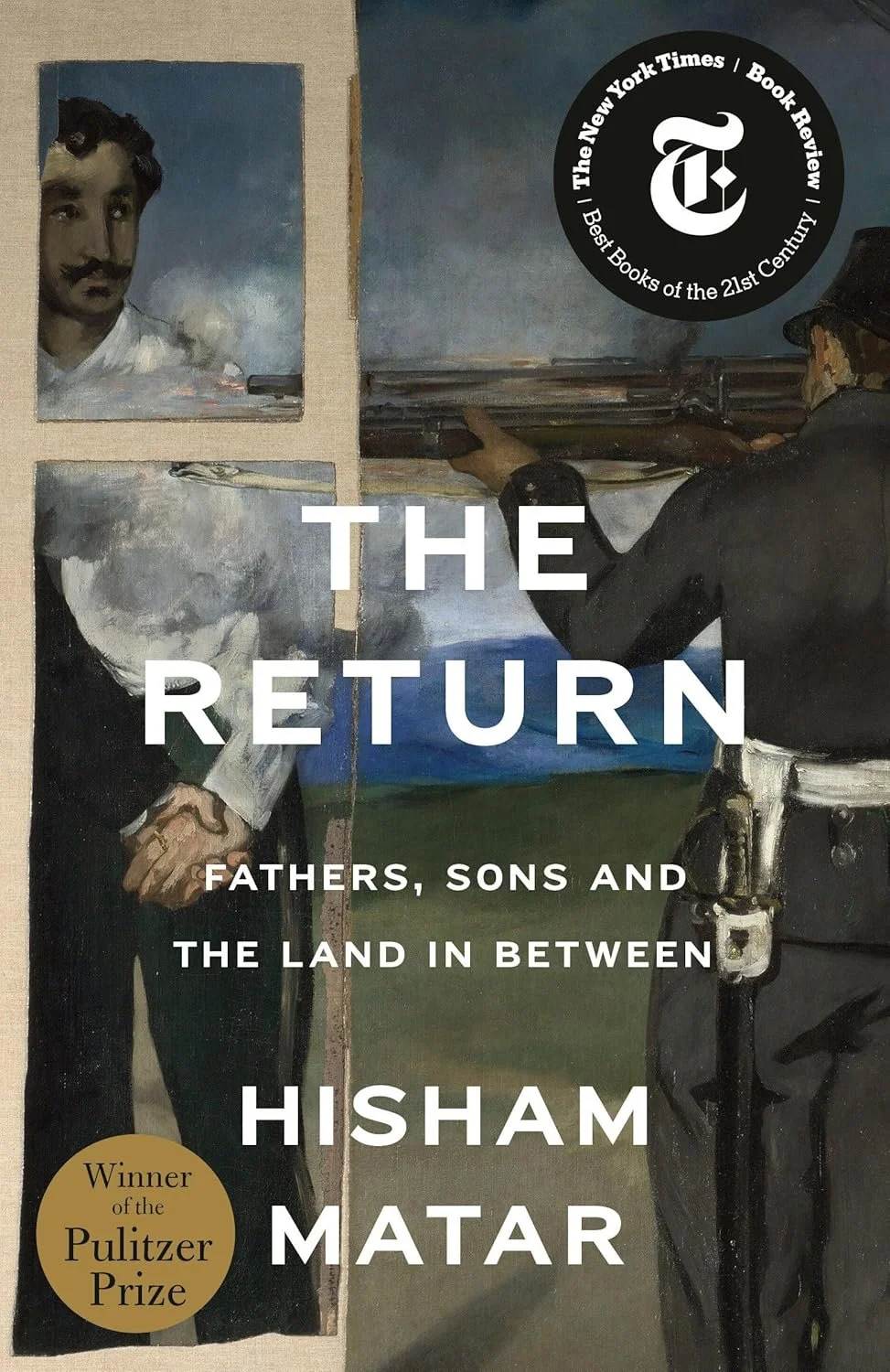
The Return: Fathers, Sons and the Land in Between by Hisham Matar
The Return is one of the most quietly devastating memoirs I've read. Hisham Matar recounts his search for answers after his father disappeared under Muammar Gaddafi's regime in Libya, weaving together personal grief with the broader history of dictatorship, exile, and political violence. What makes the book so extraordinary is that it never becomes solely a political story or solely a family story; instead, it reveals how impossible it is to separate the two. Matar reflects beautifully on what it means to be a son, to inherit absence rather than certainty, and to continue searching for someone who may never be found. It's an elegant, deeply philosophical meditation on family, memory, loss, and the lingering consequences of authoritarianism.
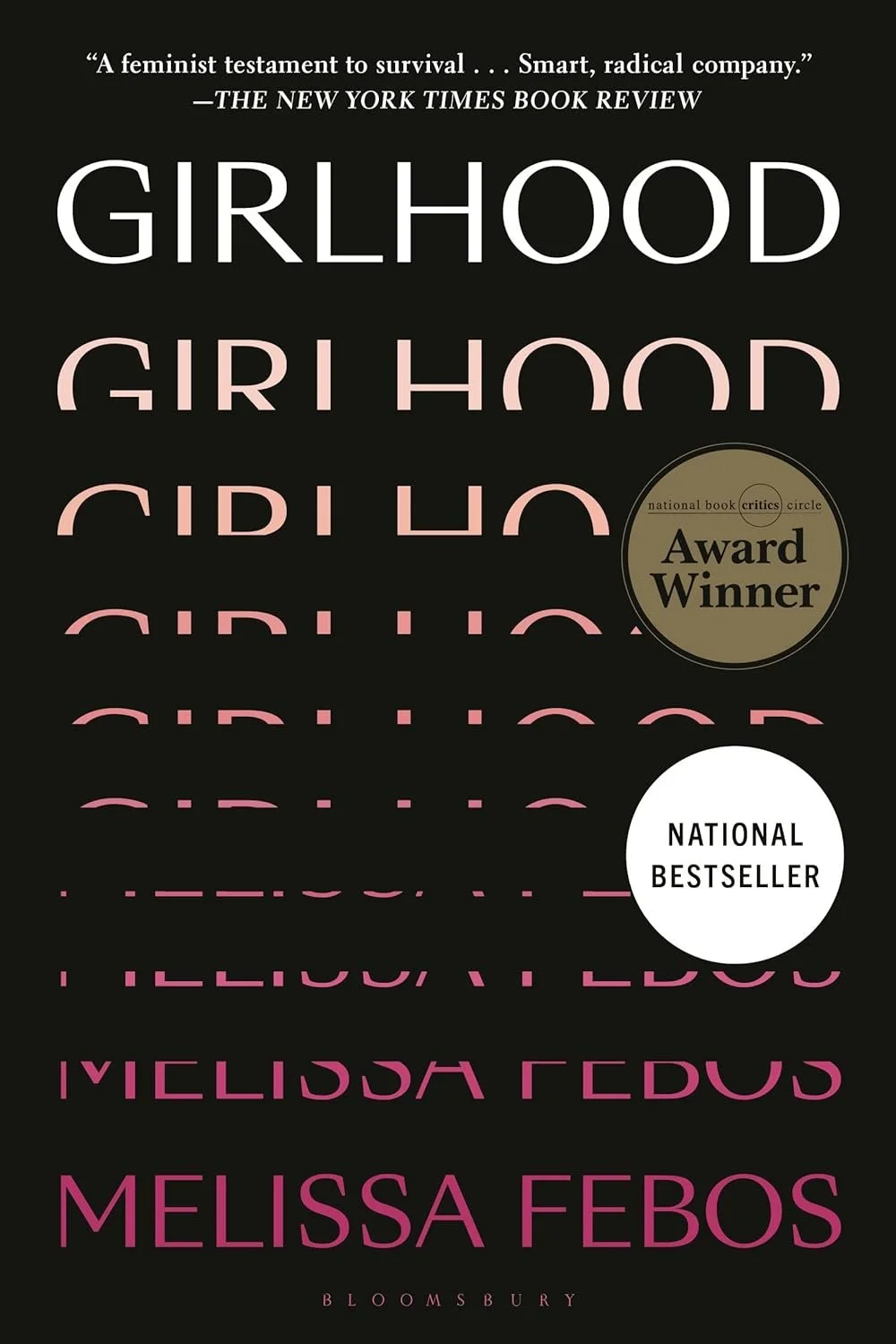
Girlhood by Melissa Febos
Girlhood is one of the most thoughtful books I've read about what it means to become a woman in a culture that constantly shapes how women understand themselves. Through a series of essays, Melissa Febos examines beauty, sexuality, violence, shame, desire, power, and identity with remarkable honesty and intellectual rigor. Rather than presenting a universal experience of womanhood, she continually acknowledges complexity and contradiction while inviting readers to question the assumptions they have inherited. I found myself returning again and again to her observations about the stories women are taught to believe about themselves and how difficult it can be to disentangle identity from those narratives. It is beautifully written and deeply reflective without ever becoming inaccessible.
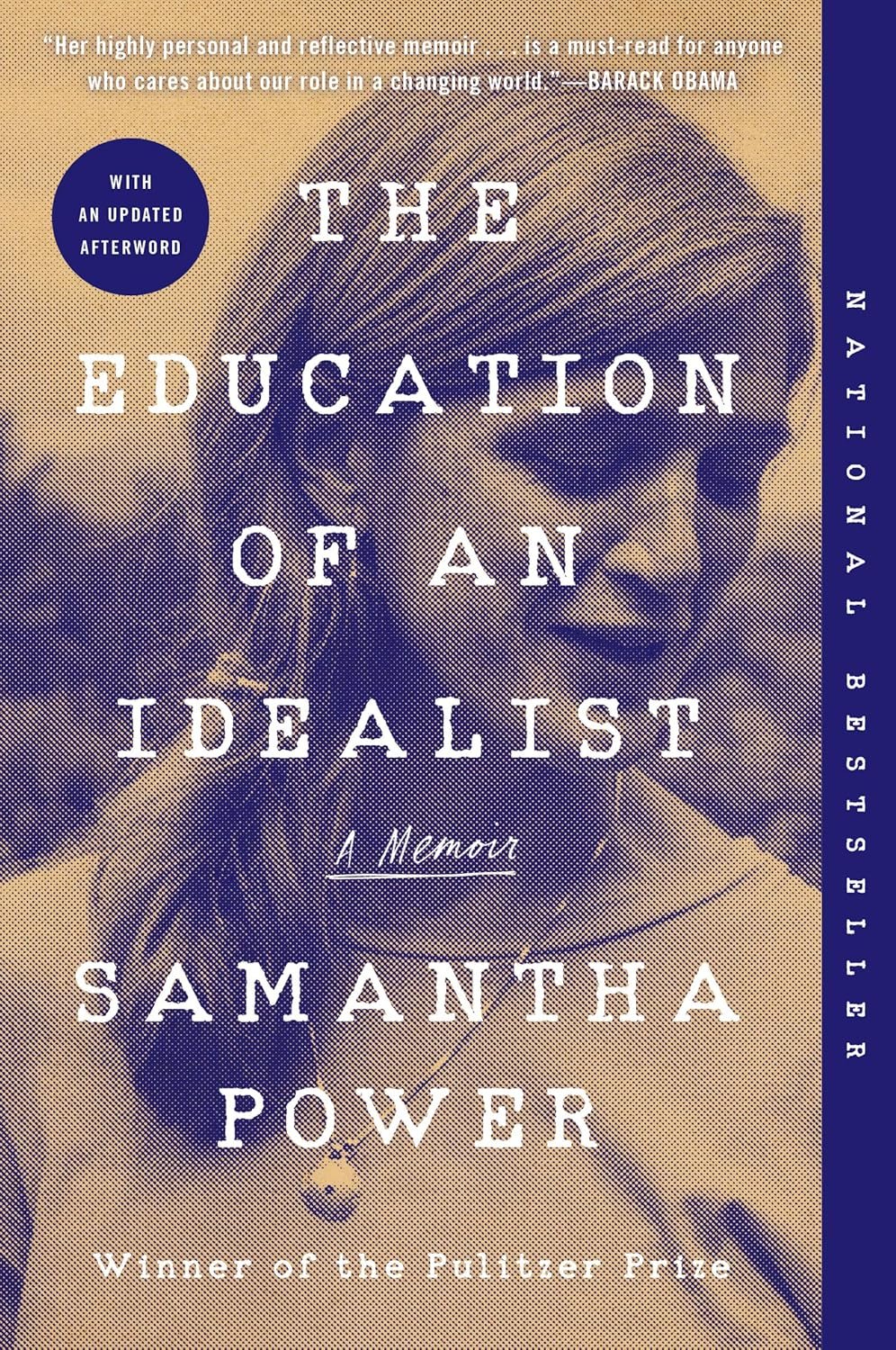
The Education of an Idealist: A Memoir by Samantha Power
Before reading The Education of an Idealist, I knew Samantha Power largely through her public career. What surprised me was how candidly she writes about the tension between idealism and the realities of working within powerful institutions. Throughout the memoir, she reflects on journalism, diplomacy, genocide prevention, public service, and the constant negotiation between moral conviction and political compromise. Rather than presenting herself as someone who always knew the right answer, she openly examines the moments that challenged, changed, and complicated her thinking. It's a compelling portrait of someone trying to remain guided by principle while working inside systems that rarely allow for perfect solutions.
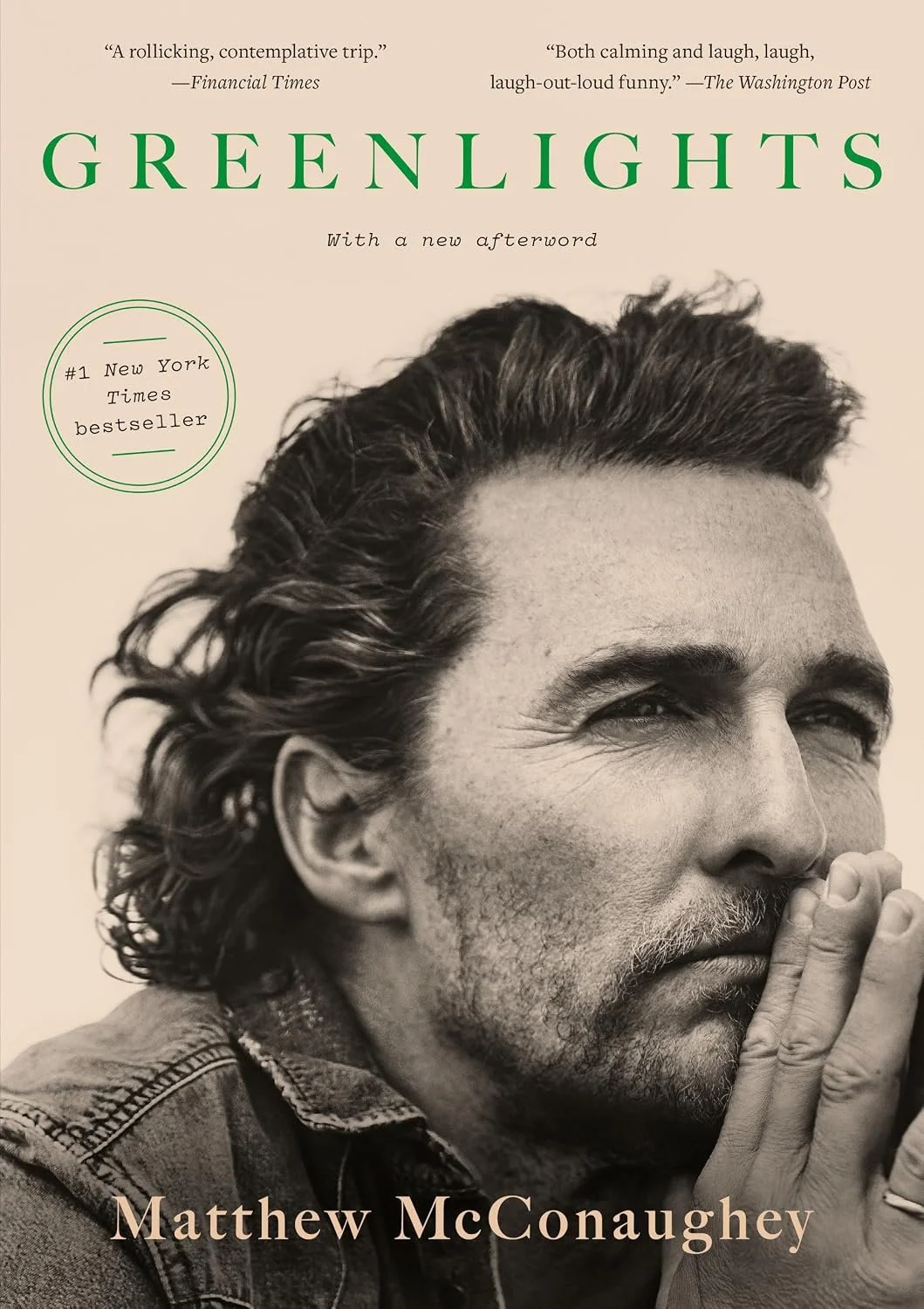
Greenlights by Matthew McConaughey
Greenlights completely surprised me. I expected an entertaining celebrity memoir, but instead found a thoughtful, funny, and unexpectedly philosophical reflection on success, failure, creativity, and what it means to build a meaningful life. McConaughey approaches storytelling with the same charisma that made him famous, but beneath the humor is someone who has clearly spent a great deal of time reflecting on purpose, resilience, and perspective. I especially recommend experiencing this one as an audiobook because hearing him tell the stories in his own unmistakable voice adds another layer to the experience. It's engaging, insightful, and far deeper than I ever expected it to be.
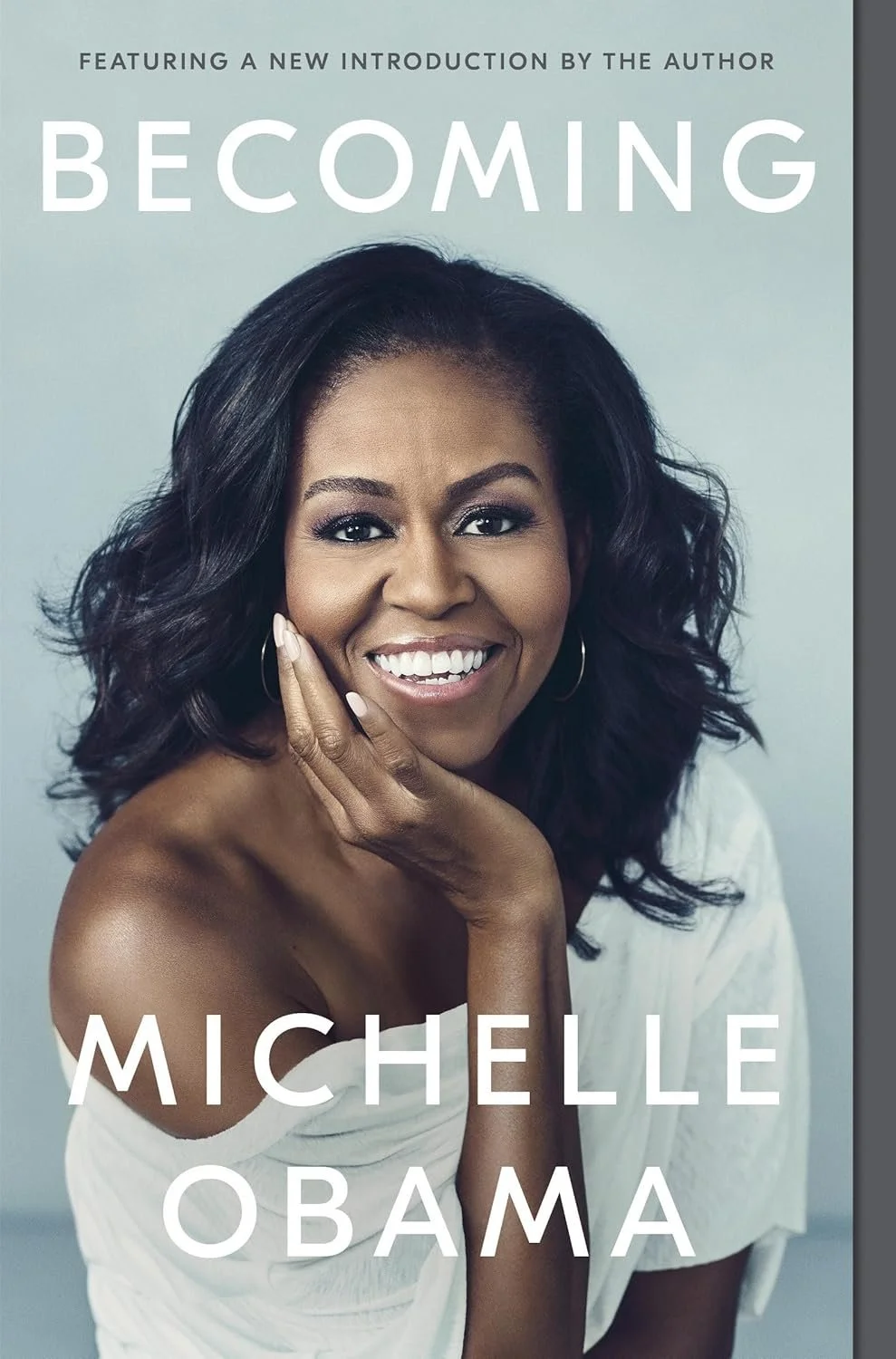
Becoming by Michelle Obama
Michelle Obama’s memoir traces her life from Chicago’s South Side through the White House while remaining grounded in questions of identity, family, ambition, and public expectation. It is thoughtful, warm, and refreshingly candid about the work of continually becoming oneself.
Untamed by Glennon Doyle
At its heart, Untamed is a book about questioning the stories we've been told about who we're supposed to become. Glennon Doyle encourages readers to examine the expectations they've inherited from family, culture, religion, relationships, and society, and to ask whether those expectations actually reflect who they are. I think the book resonates especially deeply with people who have spent much of their lives trying to please others or becoming whatever was needed in a particular moment rather than listening to their own instincts. Doyle's writing is deeply personal, but the questions she raises feel remarkably universal. It's ultimately a memoir about learning to trust your own voice, even when doing so requires disappointing other people.
Educated: A Memoir by Tara Westover
There were so many moments while reading Educated that felt almost impossible to believe. Tara Westover's story of growing up in an isolated survivalist family before eventually finding her way to higher education is extraordinary, but what stayed with me most wasn't simply the improbability of her circumstances. It was the emotional cost of forging an identity separate from the family that shaped her. The memoir captures the complicated grief that can accompany personal growth, particularly when becoming yourself means losing the relationships you hoped would grow alongside you. Westover writes with remarkable honesty about loyalty, memory, education, and belonging, refusing to simplify people into heroes or villains. It's an unforgettable memoir about knowledge, freedom, and the painful reality that sometimes transformation requires sacrifice.
Work, Business, & Intentional Living
I've never been interested in climbing the traditional career ladder simply because it's expected.
I'm much more interested in building a life that's aligned with my values—one that leaves room for creativity, meaningful work, curiosity, and freedom. These books have influenced how I think about productivity, entrepreneurship, focus, and designing a career that supports the kind of life I actually want to live.
Atomic Habits by James Clear
I can confidently say that Atomic Habits is one of the books that has most changed my life. I've read it at least five times, and for several years I made a habit of revisiting it every six months because I found myself continually discovering new ways to apply its ideas. James Clear's central argument is deceptively simple: our lives are ultimately shaped not by dramatic transformations but by the small habits we repeat every day. Rather than relying on motivation or willpower, he shows how thoughtful systems and tiny behavioral changes compound into extraordinary results over time. More than any productivity book I've read, this one has actually changed the way I live. Years later, I still find myself using its principles almost daily, which I think is the greatest compliment I can give any book.
Four Thousand Weeks: Time Management for Mortals by Oliver Burkeman
Few books have made me rethink my relationship with time as profoundly as Four Thousand Weeks. The title itself refers to the sobering realization that the average human life lasts only about four thousand weeks, but rather than encouraging readers to become more productive, Oliver Burkeman argues almost the opposite. He invites us to stop trying to optimize every minute and instead accept our limitations, recognizing that a meaningful life is built not by doing everything but by intentionally choosing what deserves our finite attention. I found the book surprisingly comforting because it reframes success away from endless achievement and toward living in alignment with what genuinely matters. It's one of the most thoughtful books I've read about time, ambition, and what it means to spend a life well.
Deep Work: Rules for Focused Success in a Distracted World by Cal Newport
We're living through an era in which almost every app, notification, algorithm, and platform is competing for our attention, which makes Deep Work feel more relevant every year. Cal Newport argues that the ability to focus deeply for sustained periods has become one of the most valuable and increasingly rare skills of the modern age. He makes a compelling case that meaningful creative work, careful thinking, and genuine expertise all require uninterrupted concentration that our culture increasingly discourages. Reading this book made me much more intentional about protecting my attention and creating space for focused work rather than constant reaction. It's a practical reminder that creativity often depends less on inspiration than on the willingness to eliminate distractions.
How I Built This: The Unexpected Paths to Success from the World’s Most Inspiring Entrepreneurs by Guy Raz
I've listened to How I Built This for years, and it remains one of the few podcasts I've consistently returned to over time. What I love most is that Guy Raz never reduces entrepreneurship to overnight success or simplistic formulas. Instead, he reveals the winding, unpredictable paths that founders took to build their companies, complete with failures, pivots, uncertainty, and countless moments where things nearly fell apart. Every story is different, yet each one offers small insights into creativity, resilience, leadership, and risk that I find endlessly fascinating. It's an incredibly inspiring reminder that there is no single blueprint for building a meaningful career or business.
The 4-Hour Workweek by Tim Ferriss
For anyone who has ever spent time in the digital nomad world, The 4-Hour Workweek is almost required reading. While some of the tactical advice has inevitably aged, the book's central idea remains incredibly powerful: instead of chasing someone else's definition of success, design your work around the life you actually want to live. That shift in thinking fundamentally changed the way I approached my own career. Rather than assuming that freedom comes only after decades of work, Tim Ferriss asks readers to build freedom into the present by questioning assumptions about careers, travel, income, and productivity. Whether or not you follow every recommendation, it's difficult to finish the book without reevaluating what success actually means to you.
How Buffett Does It by James Pardoe
When I first started trying to understand investing, How Buffett Does It was one of the books that helped make the subject feel much less intimidating. Rather than focusing on complicated financial strategies or trying to predict markets, the book distills Warren Buffett's investment philosophy into clear, practical principles centered on patience, discipline, and long-term thinking. What I appreciated most was that it emphasizes mindset just as much as mechanics. For anyone hoping to begin investing thoughtfully rather than chasing quick profits, it's an excellent introduction to one of the most successful investing philosophies ever developed.
The Psychology of Money by Morgan Housel
One of the reasons I love The Psychology of Money is that it isn't really a book about money at all. It's a book about people. Morgan Housel argues that financial decisions are rarely driven by pure logic; they're shaped by emotion, personal history, culture, fear, luck, ambition, and countless experiences that differ from person to person. Rather than offering rigid rules for becoming wealthy, he encourages readers to develop a healthier, more realistic relationship with wealth itself and to recognize that enough is often more valuable than endlessly pursuing more. I found the book refreshing because it focuses less on maximizing returns and more on building a financial life that supports the kind of life you actually want to live. It's one of the wisest books I've read about money precisely because it understands that money is ultimately a human subject.
Never Split the Difference: Negotiating As If Your Life Depended on It by Chris Voss
At first glance, a book written by a former FBI hostage negotiator might seem far removed from everyday life, but Never Split the Difference turns out to be one of the most practical books I've read about communication. Chris Voss argues that successful negotiation depends less on winning arguments than on listening carefully, asking thoughtful questions, and understanding the emotional needs of the person across from you. While few of us will ever negotiate hostage situations, all of us negotiate relationships, careers, salaries, friendships, and everyday conversations. I found many of his techniques surprisingly applicable well beyond formal negotiation. More than anything, it's a fascinating lesson in empathy, persuasion, and the psychology of human communication.
The Responsible Company by Yvon Chouinard and Vincent Stanley
Where Let My People Go Surfing explains the philosophy behind Patagonia, The Responsible Company explores what it actually looks like to put those values into practice. Rather than speaking in broad ideals, Yvon Chouinard and Vincent Stanley examine the practical decisions involved in running a business that genuinely attempts to prioritize environmental responsibility, ethical supply chains, employee wellbeing, and long-term sustainability. At times it's denser than its predecessor, but that's precisely because it's intended as a blueprint rather than an inspiration. For anyone interested in building a business that creates value beyond profit alone, it's an incredibly useful resource and a compelling reminder that responsible companies don't emerge by accident—they're built through thousands of intentional decisions.
Contagious: Why Things Catch On by Jonah Berger
As someone fascinated by storytelling and communication, I found Contagious enormously useful because it asks a deceptively simple question: why do some ideas spread while others disappear? Jonah Berger combines psychology, sociology, and marketing research to explain the mechanisms behind word-of-mouth, viral content, and cultural influence without reducing the process to gimmicks or formulas. Although the examples naturally reflect the era in which it was written, the broader principles remain highly relevant for anyone interested in journalism, social media, branding, or simply understanding why certain stories capture public attention. It completely changed the way I think about how ideas move through society.
Creativity & Artistic Practice
Creative work isn't just about inspiration.
It's about building habits, staying curious, pushing through uncertainty, and continuing to make things even when they aren't perfect.
These books have encouraged me during periods of self-doubt, helped me rethink my creative process, and reminded me that every artist experiences uncertainty.
Big Magic by Elizabeth Gilbert
Whenever I find myself creatively stuck, Big Magic is one of the books I return to. Elizabeth Gilbert has an extraordinary ability to make creativity feel less intimidating and far more joyful, encouraging readers to approach making things with curiosity rather than perfectionism. One of her most powerful ideas is that fear never really disappears, it simply doesn't deserve to be the one making the decisions. Rather than treating creativity as something reserved for artists, she argues that it's a way of engaging with the world itself: following curiosity, paying attention, experimenting, and remaining open to surprise. I always finish this book feeling lighter, more inspired, and much more willing to make imperfect things.
Letters to a Young Poet by Rainer Maria Rilke
There are few books I would recommend more readily to someone struggling with uncertainty in a creative life than Letters to a Young Poet. Through a series of letters, Rainer Maria Rilke reflects on solitude, patience, self-doubt, love, and the slow, often invisible process of becoming an artist. His advice is never about finding shortcuts or external validation; instead, he continually encourages readers to trust their own inner life and to accept that meaningful creative work requires time. It's the kind of book that offers something different every time I return to it, depending on where I happen to be in my own life. Quiet, thoughtful, and deeply comforting, it feels less like instruction and more like wise companionship.
Bird by Bird: Some Instructions on Writing and Life by Anne Lamott
There are countless books about writing, but Bird by Bird stands apart because Anne Lamott is just as interested in the emotional experience of being a writer as she is in the craft itself. She writes with tremendous warmth, humor, and honesty about perfectionism, self-doubt, procrastination, and the strange persistence required to keep making things that may never feel finished. What makes the book so enduring is that its advice extends far beyond writing; it's really about learning how to approach any creative life one manageable step at a time. Whenever I find myself overwhelmed by the scale of a project, I inevitably think of Lamott's title. It's one of the most encouraging books I've read about creativity precisely because it acknowledges how difficult creativity often is.
On Photography by Susan Sontag
As a photographer, On Photography fundamentally changed the way I think about the act of making images. Susan Sontag asks difficult questions about what photographs do, what they mean, and how cameras shape our relationship with memory, beauty, suffering, travel, and the world itself. Rather than treating photography as merely a technical practice, she approaches it as a cultural, ethical, and philosophical one, challenging photographers to think more critically about the images they create and consume. Even when I don't agree with every conclusion she reaches, I appreciate how rigorously she interrogates the medium. It's one of the foundational texts of photographic theory and, in my opinion, essential reading for anyone serious about photography.
The Creative Act: A Way of Being by Rick Rubin
One of the things I love most about The Creative Act is that Rick Rubin refuses to treat creativity as something reserved for artists alone. Instead, he suggests that creativity is fundamentally a way of paying attention—a way of moving through the world with openness, curiosity, intuition, and a willingness to notice what other people overlook. The book isn't an instruction manual so much as a collection of meditations on how creative work actually unfolds, reminding readers that ideas often emerge through observation rather than force. I found it deeply reassuring because it shifts the focus away from productivity and toward presence. It's a beautiful reminder that creativity is less about making things and more about the way we choose to see the world.
Poetry
Poetry has a remarkable ability to express complicated emotions with a precision that prose often cannot.
The collections in this section explore love, grief, identity, place, politics, memory, and the natural world. Some are lyrical and meditative, while others are direct, urgent, and deeply personal, but all of them remind me to slow down, pay closer attention to language, and notice what might otherwise go unspoken.
The Prophet by Kahlil Gibran
Few books possess the quiet beauty of The Prophet. Through a series of poetic reflections on love, work, marriage, grief, joy, freedom, and countless other aspects of being human, Kahlil Gibran creates something that feels simultaneously timeless and deeply personal. His writing has an extraordinary elegance that reflects the rich poetic traditions of Arabic literature, expressing profound ideas with remarkable simplicity. I find myself returning to individual passages again and again because they seem to reveal something new depending on where I am in life. It's less a book to race through than one to live beside, opening it whenever you need a little perspective.
Call Us What We Carry by Amanda Gorman
Reading Call Us What We Carry felt like revisiting one of the strangest periods of our collective lives. Amanda Gorman reflects on the pandemic, grief, political division, resilience, and hope through poetry that feels both deeply personal and unmistakably communal. Rather than trying to explain those years, she captures the emotional landscape of living through them: the uncertainty, isolation, endurance, and fragile optimism that so many of us experienced together. Her language is lyrical without ever becoming inaccessible, balancing urgency with compassion throughout the collection. It's a moving record of a historical moment that already feels strangely distant and yet continues to shape the world we live in.
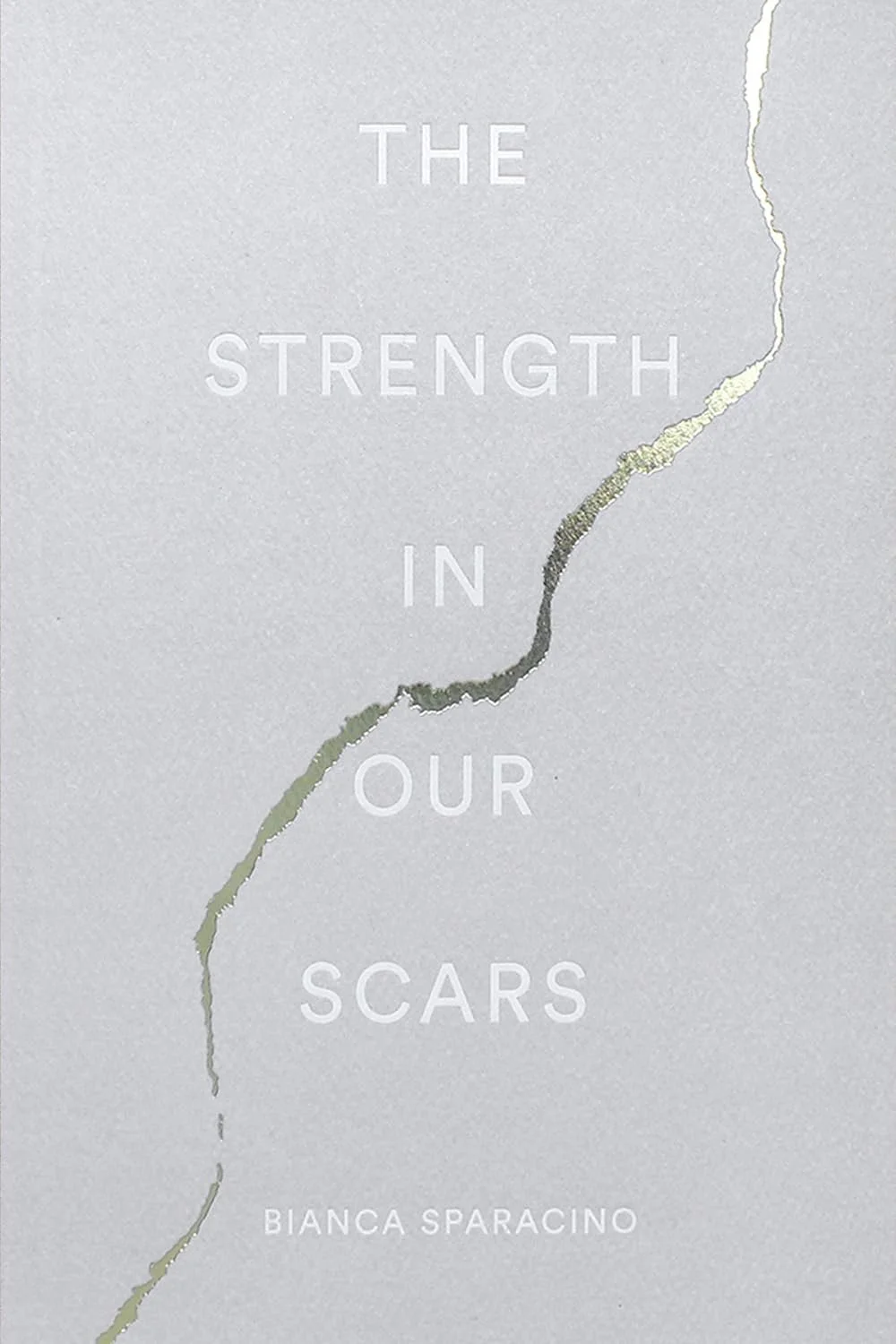
The Strength in Our Scars by Bianca Sparacino
The Strength in Our Scars is a gentle, compassionate collection about heartbreak, healing, self-worth, and the complicated process of becoming whole again after difficult experiences. Bianca Sparacino writes in a way that feels less like formal poetry and more like a close friend quietly reminding you that healing rarely happens all at once. Her reflections acknowledge grief without allowing it to become the final chapter, continually returning to the possibility of hope, resilience, and self-compassion. It's the kind of book people often reach for during particularly difficult seasons of life, and I can understand why. Sometimes we don't need profound philosophical answers. Sometimes we simply need someone to remind us that surviving is itself a form of strength.
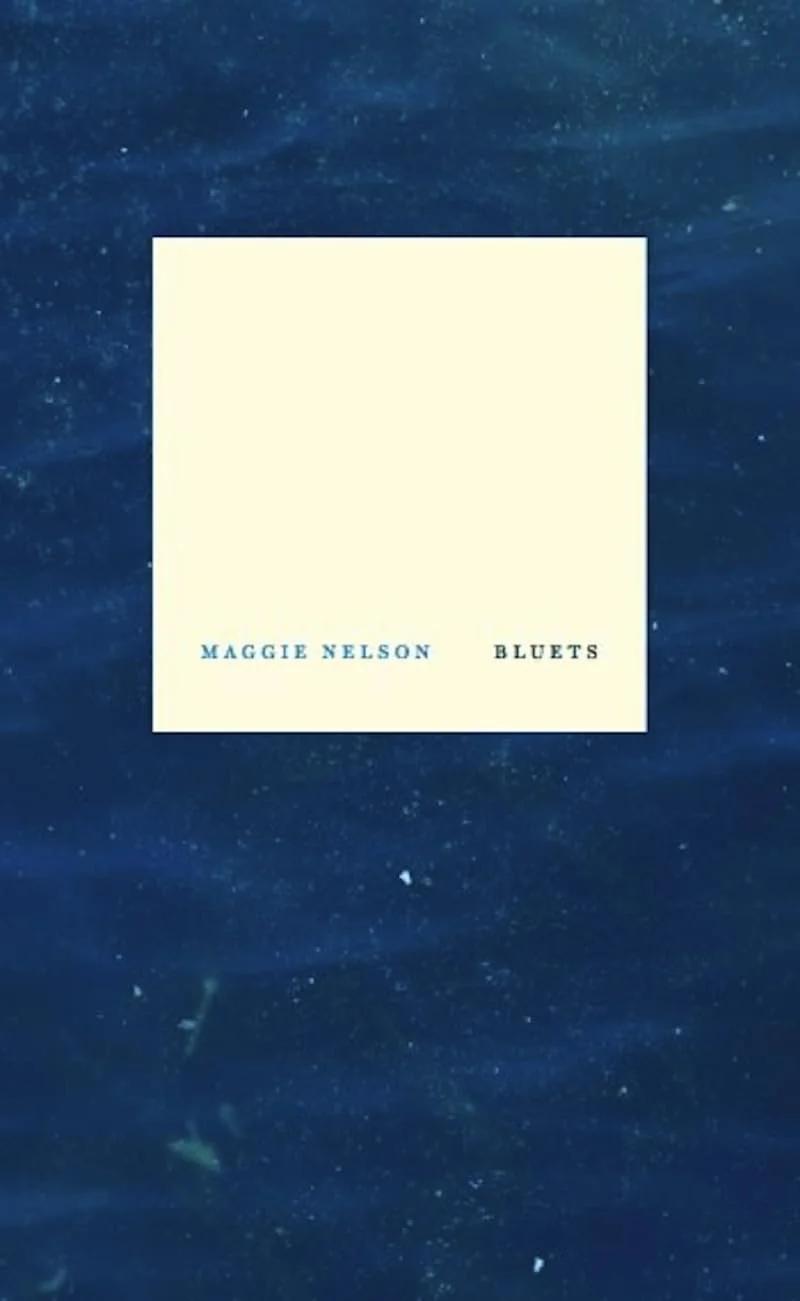
Bluets by Maggie Nelson
I first read Bluets for an undergraduate creative writing class, and if I'm being honest, I expected it to be one of those books I appreciated more than I actually enjoyed. At the time, I wasn't much of a poetry reader and assumed it would feel dense or inaccessible. Instead, I found myself completely absorbed by Maggie Nelson's fragmented meditation on love, heartbreak, memory, philosophy, and, of course, the color blue. The book unfolds through a series of short, interconnected vignettes that gradually accumulate into something emotionally profound, proving that a story doesn't need a conventional narrative to leave a lasting impression. It completely changed my expectations of what poetry, and experimental writing more broadly, could accomplish, and it remains one of the books that first opened me to reading poetry with genuine curiosity rather than obligation.
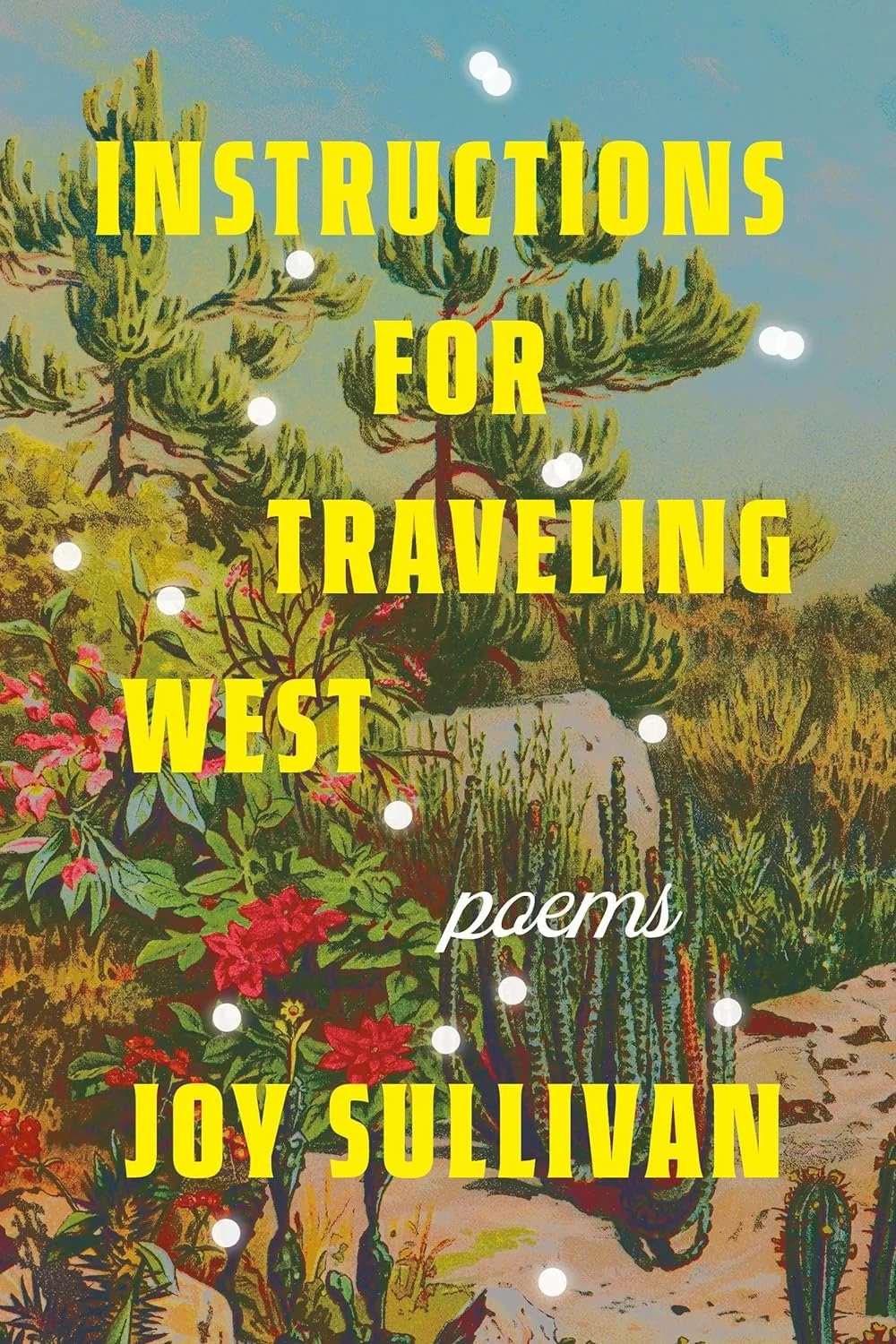
Instructions for Traveling West by Joy Sullivan
Instructions for Traveling West is, on its surface, a collection of poems about travel, landscapes, and movement, but it quickly reveals itself to be about something much larger. Joy Sullivan writes beautifully about freedom and the uncertainty that inevitably accompanies it, the realization that choosing an unconventional life often means learning to become comfortable with not always knowing where you're headed. Her poems capture that strange intersection between physical journeys and the quieter internal journeys that so often accompany them, making the collection resonate whether you're crossing continents or simply navigating a new chapter of your life. I found myself returning to many of these poems because they articulate feelings that are often difficult to put into words: the simultaneous exhilaration and loneliness of choosing possibility over certainty. It's a beautiful companion for anyone learning to trust the unknown.
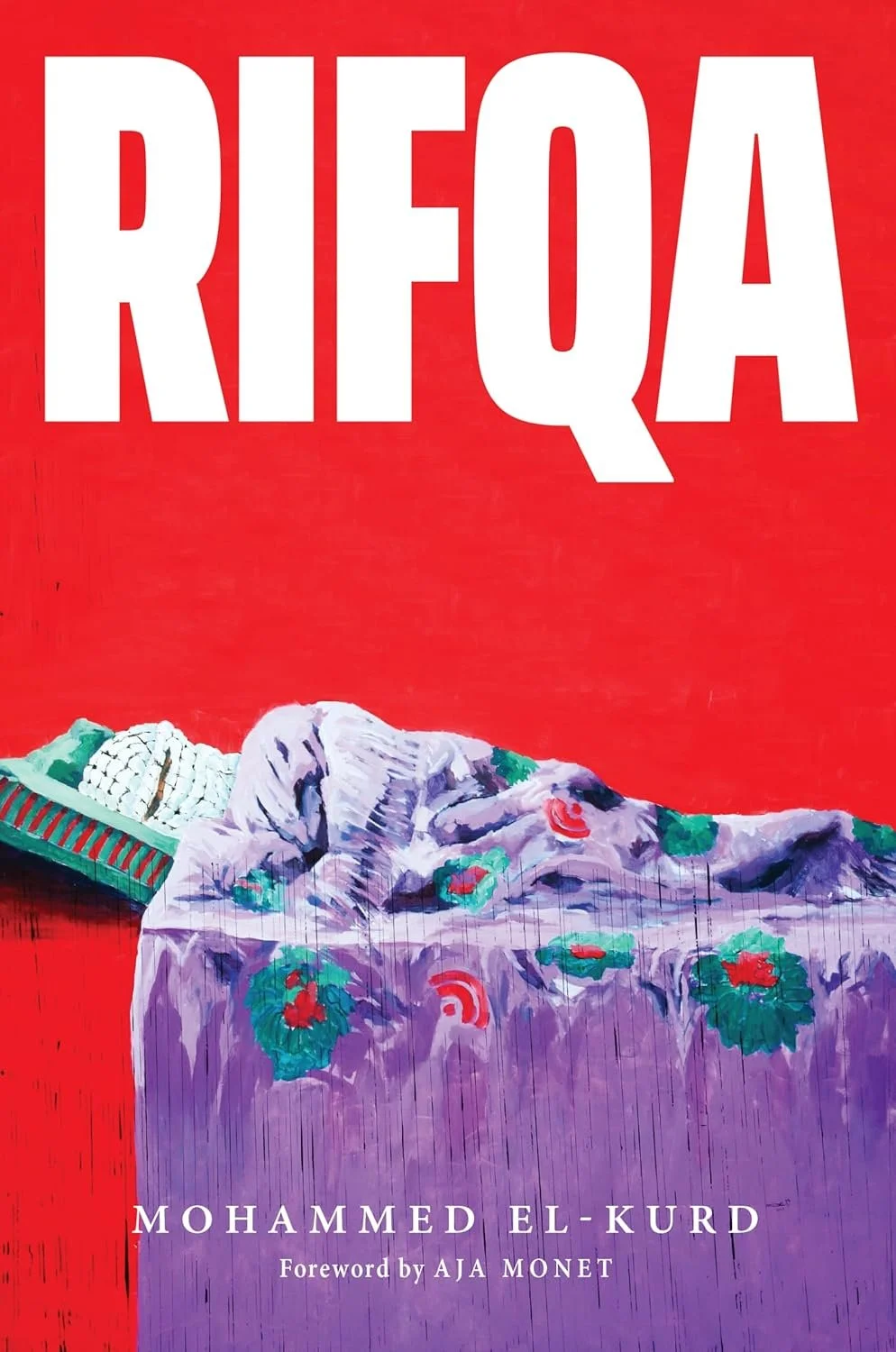
Rifqa by Mohammed El-Kurd
Rifqa is a fierce, urgent, and deeply human collection of poems about Palestine, dispossession, resistance, memory, and survival. Mohammed El-Kurd writes with extraordinary clarity and emotional force, refusing to separate the political realities of occupation from the ordinary lives that continue in spite of it. Alongside poems of grief, violence, and displacement are quieter moments of family, tenderness, humor, and everyday existence, reminding readers that Palestinians are not defined solely by the suffering imposed upon them. That balance is part of what makes the collection so powerful—it insists upon the full humanity of its subjects while never allowing readers to look away from the structures of oppression surrounding them. It is one of the most important contemporary collections I've read, and an essential work for anyone hoping to better understand Palestine beyond headlines and political rhetoric.
One of my favorite things about reading is that no book truly ends when you reach the final page.
The best books continue to shape how we think, influence future conversations, inspire creative projects, and quietly change the way we move through the world. Many of the books on this page have done exactly that for me.
I hope you find at least one title here that sends you down an unexpected path, teaches you something new, or simply reminds you why reading remains one of the most worthwhile investments we can make in ourselves.
I keep track of my reading using Goodreads (the app and website) so follow me there to see what I am currently reading, what I have just read, and the very extensive, ever-expanding list of books I still want to read.
I read in two ways: with a physical book in my hands and with headphones in my ears. Audiobooks have completely changed how much I'm able to read each year, turning commutes, chores, walks, and quiet afternoons into opportunities to keep learning.
Almost my entire audiobook library lives on Audible, and it's the service I've used for years. If you've never tried audiobooks before, Audible offers a free 30-day trial, a great way to see whether listening becomes part of your own reading routine.